
Where to Buy Hermit Crab Shells: Safe Sources and Shopping Guide
Published on: January 9, 2026 | Last Updated: January 9, 2026
Written By: The Crab Guru
Finding the perfect shells for your growing hermit crabs can feel overwhelming with so many options and potential risks.
After caring for my five crabs-Hermes, Apollo, Athena, Zeus, and Poseidon-for years, I’ve learned which sources are truly safe and which to avoid.
Always prioritize natural, untreated shells over painted or varnished ones that can poison your crab.
This guide covers safe online retailers, physical store options, proper shell measurement techniques, and critical safety checks to perform before any shell enters your habitat.
Understanding Your Hermit Crab’s Shell Needs
Watching my crab Hermes explore a new shell is pure joy. He cautiously taps it, then does a quick swap, his soft abdomen finally safe inside a new home. A proper shell is not a luxury for a hermit crab; it is a mobile fortress essential for its survival. They rely on these borrowed homes to protect their vulnerable bodies from drying out and from injury. I’ve seen my crab Apollo try on half a dozen shells before finding the perfect fit, a process that is both fascinating and vital. Without the right shell, a hermit crab becomes stressed, exposed, and can sadly perish. You can learn more about what makes a shell perfect for a hermit crab.
- Protection: The shell shields their soft, delicate abdomen from predators and physical damage.
- Hydration: It holds moisture against their body, which is critical for breathing and preventing fatal desiccation.
- Growth: As they grow, they must find progressively larger shells to move into. A crab stuck in a too-small shell cannot mature properly.
- Security: A well-fitting shell provides a sense of safety, reducing stress and encouraging natural, active behaviors.
Safe Sources for Hermit Crab Shells
Finding the right shells means thinking like a crab parent who prioritizes safety above all else. I’ve learned through trial and error which sources I can trust for my crew. The best shell sources are those that provide clean, natural, and appropriately sized options without hidden dangers. You have several avenues to explore, each with its own benefits and drawbacks.
- Local Pet Stores: Convenient for immediate needs, but often have a limited, overpriced selection that may not be the right size or type.
- Online Retailers: Offer a massive variety of sizes and species-specific shells, but you cannot inspect the quality before it arrives.
- Natural Beach Sources: Free and abundant, but require intensive cleaning to remove salt, pests, and potential pollutants.
Local Pet Stores and Aquarium Shops
When I’m in a pinch for a new shell for Athena, I check my local pet shop. My first step is always to physically inspect each shell I consider buying. I run my finger along the inside, feeling for any rough or sharp edges that could scrape my crab’s delicate skin. I avoid any shells with a painted or glossy finish, as these coatings can be toxic if chewed on. I look for shops that sell their shells in sealed bags labeled as “pre-cleaned” or “sterilized,” which saves me a step and offers more peace of mind. A good local shop will have a small variety of turbo and tapestry turbo shells, which are favorites among many species.
Online Retailers and Marketplaces
Online shopping is where I find the best selection for my crabs’ unique tastes. For my assertive crab Zeus, I need specific large, round openings. I only buy from online sellers who specialize in live shells or hermit crab supplies, as they understand the specific needs of our pets. If you’re wondering where the best place to buy hermit crab supplies is, start with reputable online retailers that have a dedicated hermit crab section. I scour customer reviews and photos to see the actual quality and size of the shells people receive. I always check the return policy before purchasing, just in case the sizes are off. A reputable seller will often offer shell packs sorted by opening size, which is incredibly helpful when you’re stocking a crabitat for multiple crabs.
Natural and Alternative Shell Sources
If you are lucky enough to live near a clean, non-industrial coastline, collecting shells can be a wonderful option. I’ve done this for Poseidon, who seems to love the character of a naturally weathered shell. Collecting your own shells requires a rigorous cleaning process to make them safe for your tank. Never take a shell with a living creature inside. Once home, I follow a strict cleaning routine. I also keep an eye on new developments, like 3D-printed shells made from crab-safe materials, which can be a fun and sterile alternative for crabs who are picky.
- Soak collected shells in a 50/50 solution of bleach and water for 24 hours to kill all organic matter.
- Scrub the inside and outside of every shell thoroughly with a stiff brush to remove all debris.
- Rinse the shells multiple times in fresh, dechlorinated water until you cannot smell any bleach.
- Boil the shells in dechlorinated water for at least 20 minutes to ensure they are completely sterile.
- Let them cool and dry completely before placing them in the habitat.
How to Choose the Right Shell Size and Type
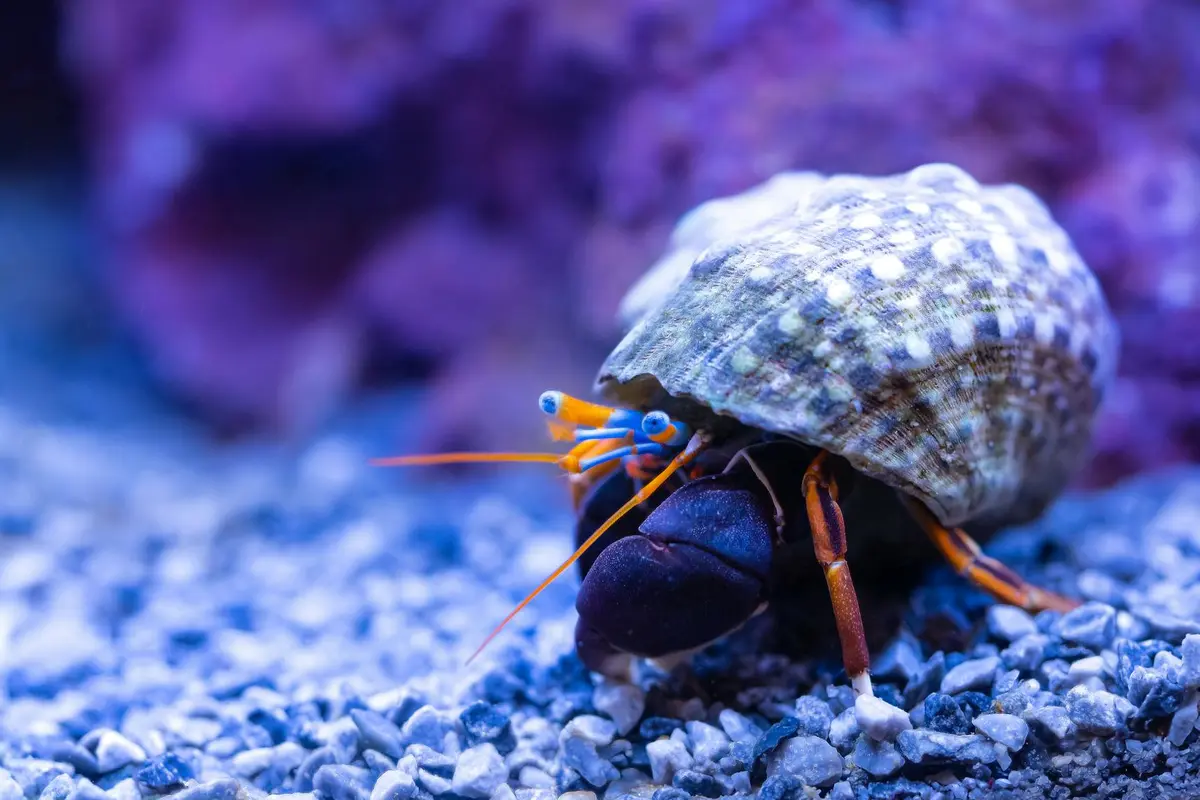
Watching a hermit crab try on a new shell is one of the most rewarding parts of being an owner. Getting the size and type right is the key to their happiness and health. A perfectly fitting shell protects their soft abdomen, retains vital moisture, and gives them the confidence to explore. For a step-by-step guide to choosing the right shell size, check out our complete guide on hermit crab shells. It walks you through measuring, testing fit, and picking the best shell for your crab.
Measuring Hermit Crab Shells Accurately
You don’t need fancy tools, just a simple ruler with millimeter measurements. Here is the method I use every month when I check on my crew.
- Gently Observe Your Crab: Wait until your crab is partially out of its shell, perhaps during a quiet evening. You want to see the big claw, known as the cheliped.
- Measure the Large Claw: Using your ruler, measure the widest part of the large claw across the front in millimeters. This is the most critical measurement.
- Identify the Shell Opening: For a new shell, find the opening, called the aperture. Measure the widest part of that opening.
- Match the Sizes: The shell’s aperture should be only 1-3 millimeters wider than your crab’s large claw. Too big, and the crab will feel insecure and struggle to carry it. Too small, and they simply won’t fit.
I recently did this with Hermes, my curious Caribbean crab. His large claw measured 10mm, so I offered him shells with 12mm openings. He inspected a few before happily moving into a perfect-fitting turbo shell.
Shell Compatibility by Species
Not all crabs like the same style of home. Their species often dictates their shell preference. Here’s a quick guide based on my own crab family, including the most colorful ones.
| Species | Preferred Shell Type | Personal Example |
|---|---|---|
| Caribbean Hermit Crab | Turbo shells, round openings | Zeus and Poseidon both favor heavy turbo shells, which they use to gently bump others away from food. |
| Ecuadorian Hermit Crab | Long, light shells with oval openings (like Babylonia or Cerith) | Apollo has a collection of long, elegant shells he rotates between, often choosing the lightest ones. |
| Strawberry Hermit Crab | Large, heavy shells with round openings (like Turbo or Trochus) | My calm Athena feels most secure in a hefty, well-formed turbo shell that she can fully retract into. |
Shopping Guide: Tips for Buying Quality Shells
Finding a good shell vendor is like finding a good mechanic; you stick with them because they provide quality and trust. Your crab’s shell is its permanent home, so investing in high-quality, natural options is non-negotiable for their welfare.
I look for a few key things every time I shop for my crabs.
- Natural and Untreated: Only buy shells that are completely natural, with no paint, gloss, or varnish. Those coatings can be toxic if your crab chews on its shell.
- Check for Durability: Hold the shell up to a light source and look for hairline cracks or paper-thin spots. A good shell should feel solid and substantial.
- Interior Inspection: Make sure the inside of the shell is clean and smooth, free of any rough patches, old inhabitants, or a strong “low tide” smell.
- Variety Packs are Your Friend: Especially when you’re new, buying a mixed bag of sizes and types is the best way to learn your crab’s personal taste. I discovered Athena’s preference for turbo shells this way.
Price comparison is smart, but remember that the cheapest option is often cheap for a reason. Avoid any lots that seem too good to be true, as they are often filled with broken, thin, or improperly cleaned shells. I always boil new shells in dechlorinated water before introducing them, just to be extra safe for my pets.
Preparing Shells for Your Hermit Crab
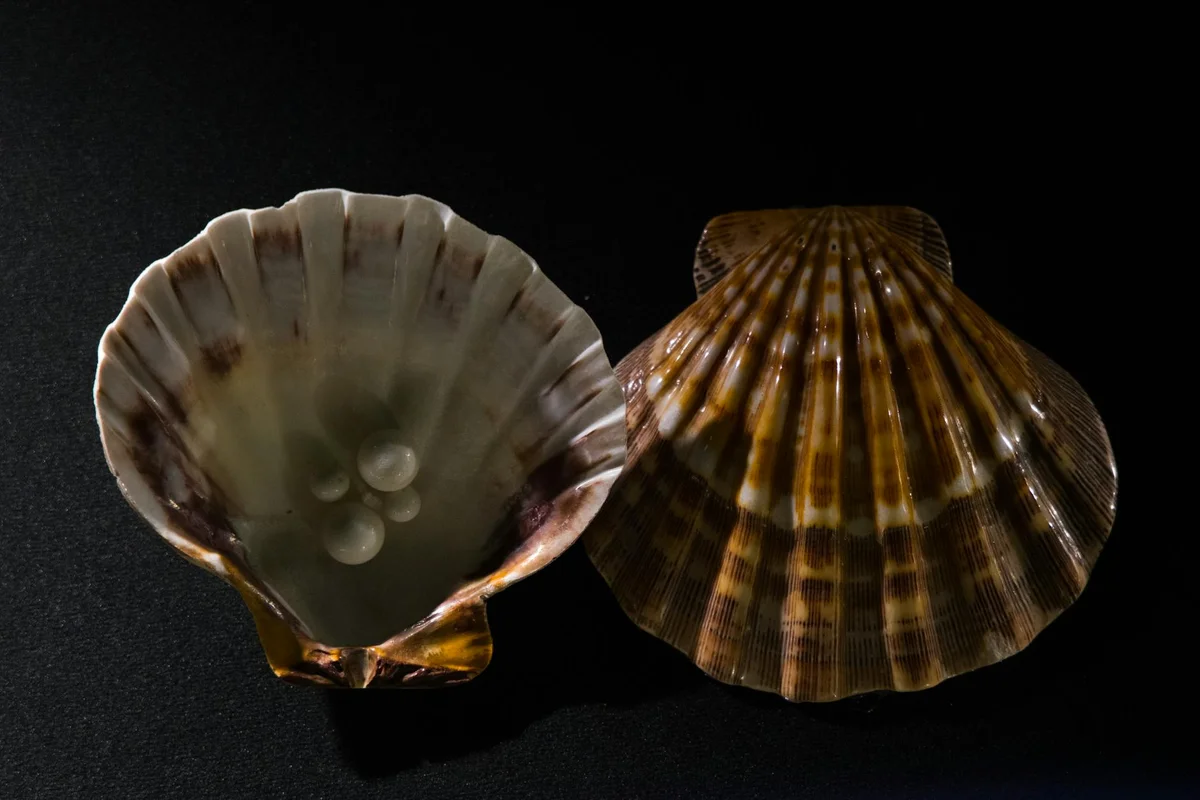
Getting a new shell is exciting, but you can’t just drop it in the tank. Every single shell, whether it’s store-bought or found on a beach, needs a thorough cleaning to be safe for your crab. I learned this the hard way when I didn’t clean a bag of “new” shells well enough and my crab, Apollo, completely ignored them. A clean shell isn’t just about dirt; it’s about removing scents, residues, and microscopic hitchers that could harm your pet. To make this easier, here’s a safe, step-by-step guide for cleaning hermit crab tank shells.
Cleaning Used or Natural Shells
Shells from nature or a craft store are the riskiest—especially painted ones. They can harbor bacteria, tiny pests, or even chemical residues. My crab Poseidon, who loves his soaks, once tried to claim a shell I’d just rinsed under the tap. I had to quickly fish it out! Now, my process is non-negotiable.
- Scrub the exterior and interior with an old toothbrush and dechlorinated water. This removes sand, algae, and loose debris.
- Boil the shells for at least 10-15 minutes. This is the most critical step for killing any lingering organisms. I always use a pot dedicated to pet supplies.
- Soak the shells in a 50/50 mix of dechlorinated water and marine saltwater for several hours or overnight. This helps remove any residual smells and makes the shell more inviting.
- Rinse one final time with dechlorinated water and let them air dry completely before placing them in the habitat.
Cost and Availability of Hermit Crab Shells
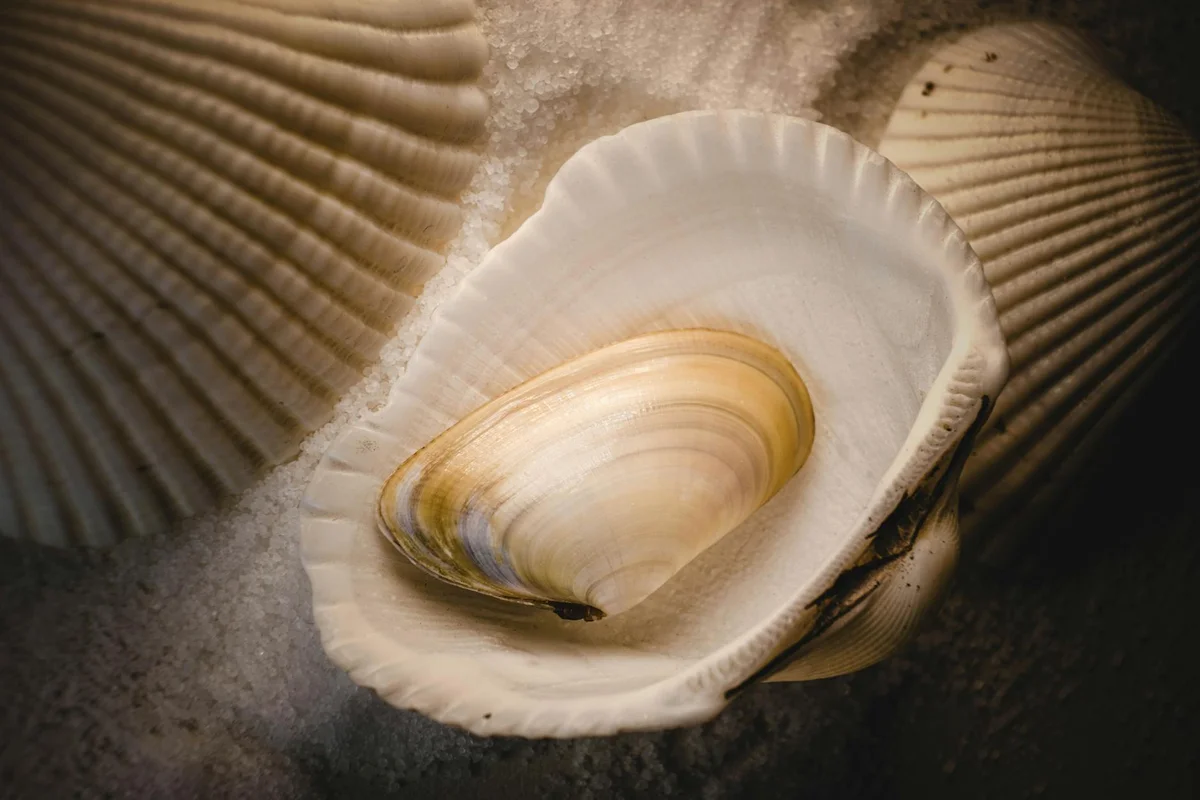
Shell shopping can feel overwhelming with so many options and price points. Building a good variety of shells doesn’t have to break the bank if you know where to look and what to prioritize. I keep a mix of “everyday” shells and a few special, larger ones on hand for when my crabs, like Zeus, decide they need an upgrade.
You can find shells in many places, but the quality and cost vary greatly.
- Online Retailers: Sites like Amazon, Etsy, and dedicated hermit crab shops offer the widest selection. You can find bulk bags of mixed sizes or specific shell types like Turbo or Babylonia. Prices for a single shell can range from $2 to over $10, while bulk bags of 10-20 shells might cost $15-$40.
- Pet Store Chains: These are convenient but often more expensive and have a limited, generic selection. A single shell here can cost $4-$8.
- Local Beach Shops or Craft Stores: These can be treasure troves for natural shells, but you must be vigilant about cleaning them thoroughly as they are not sold for animal habitation.
My best advice is to buy in bulk online from reputable sellers. It is far more cost-effective to have a small inventory of various sizes than to panic-buy a single overpriced shell when your crab needs one urgently. Always check shipping costs, as some sellers offer free shipping on larger orders. I budget for shells a few times a year, watching for sales to replenish my stock. Offering a good selection is one of the simplest ways to ensure your crabs are happy and healthy.
| Shell Source | Average Cost Per Shell | Pros | Cons |
|---|---|---|---|
| Online Bulk Retailers | $1 – $4 | Best variety, cost-effective for quantity | Shipping costs, cannot inspect in person |
| Pet Store Chains | $4 – $8 | Immediate availability, no shipping wait | Limited selection, highest markup |
| Natural/Craft Sources | $0.50 – $3 | Inexpensive, unique finds | Requires intensive cleaning, sizes can be inconsistent |
FAQs
How often should I check and offer new shells to my hermit crabs?
It’s best to inspect your hermit crabs’ shells monthly and offer new options if they appear tight or damaged. Providing a variety of clean, appropriately sized shells regularly encourages natural behavior and prevents stress from limited choices. This is particularly important because hermit crabs are quite selective when it comes to choosing their shells.
What are the signs that a hermit crab is stressed due to an ill-fitting shell?
Watch for behaviors like excessive hiding, refusal to eat, or repeatedly dropping out of the shell, which can indicate discomfort. A crab may also appear lethargic or show aggression, signaling an urgent need for a better-fitting shell to restore security. Understanding these stress signals helps you properly handle your hermit crab and respond calmly.
Are there any safe alternatives to natural shells for hermit crabs?
While natural shells are ideal, some hermit crabs may accept 3D-printed shells made from non-toxic, biodegradable materials as a temporary or novelty option. In addition, some keepers explore natural, unusual habitat options such as hollow driftwood or coconut-shell shelters to enrich the crabs’ environment. Always ensure any alternative is smooth, unpainted, and thoroughly cleaned to avoid health risks.
Finding the Perfect Shells for Your Hermits
The best places to buy hermit crab shells are specialty online shops and local pet stores that prioritize natural, untreated materials. Always measure your crab’s current shell opening and choose a selection of similar and slightly larger sizes to give them safe, exciting options. By avoiding painted or varnished shells and sticking with these trusted sources, you are directly contributing to your crab’s health and happiness. For a complete guide on hermit crab shell types, including natural and synthetic options, you can compare size, weight, and fit. These distinctions help you choose shells that support natural behavior and health.
Further Reading & Sources
- Hermit Crab Shells
- r/hermitcrabs on Reddit: best place to buy crab shells?
- Hermit Crab Shells in Hermit Crabs – Walmart.com
The Crab Central is your ultimate resource for hermit crab enthusiasts, providing expert advice and practical tips to ensure the health and happiness of your shelled companions. With years of experience in crustacean care, we are dedicated to offering accurate, up-to-date information to support your hermit crab journey. Our mission is to foster a community of responsible hermit crab owners who are passionate about the well-being of these fascinating creatures.
Essential Supplies