
Safe Wood for Hermit Crab Tanks: A Complete Guide
Choosing the right wood for your hermit crab tank is more than just decoration-it’s a critical decision for their health and happiness.
As a long-time hermit crab keeper with a lively crew of five, I’ve learned through trial, error, and extensive research which woods are safe and how to prepare them properly.
The type of wood and how you clean it are both equally vital for creating a safe environment.
In this guide, we will cover the best safe wood types to use, the dangerous woods you must avoid, and my proven, step-by-step method for preparing and sanitizing wood for your habitat.
Safe Wood Types for Hermit Crab Habitats
Choosing the right wood for your crabitat is one of the most impactful decisions you can make for their enrichment and health. I always look for woods that are untreated, completely natural, and free from any pesticides or chemical residues. In addition to wood, I evaluate which plants are safe to include in the crabitat to boost humidity and enrichment. In my habitat setups, I favor crab-safe plants alongside sturdy wood for a balanced, thriving environment. Over the years, I’ve built a reliable list of safe options that my own crabs constantly use for climbing, hiding, and even snacking.
- Driftwood: This is a fantastic, all-around choice. I source mine from reputable aquarium suppliers to ensure it’s been properly cleaned and is free of salt and pollutants. It’s incredibly durable and provides excellent climbing structures.
- Mangrove Wood: A personal favorite for its unique, twisty shapes. Mangrove wood is very hard and holds up wonderfully in the humid environment, rarely molding.
- Manzanita Wood: I love manzanita for its beautiful, branching structure. Hermes, my most adventurous climber, spends hours traversing the manzanita branches I have set up.
- Cork Bark: This is an absolute must-have in my enclosures. I use large, hollowed-out cork rounds to create perfect, dark hiding spots that help my shy crab, Athena, feel secure. It’s soft, easy for them to grip, and excellent at absorbing moisture.
- Bamboo: I use cholla wood (a type of cactus skeleton) more often, but untreated, natural bamboo tubes are also a safe option for tunnels and climbing, as long as the inner nodes are hollowed out.
- Oak, Maple, and Birch: These common hardwoods are perfectly safe if you can confirm they have never been treated with any chemicals. I’ve used small, baked oak branches that my crabs enjoy climbing on.
Driftwood and Natural Branches
When I select driftwood or branches like manzanita or grapevine, my number one rule is to only buy those specifically labeled as aquarium-safe or reptile-safe. This guarantees the wood has been heat-treated or thoroughly cleaned to eliminate any pests, fungi, or harmful bacteria. I avoid collecting wood from my backyard unless I am 100% certain of the tree type and its history. Sourcing from a trusted store prevents introducing mites or mold into the habitat, a lesson I learned the hard way early on.
Cork and Bark Options
Cork bark is a superstar in my hermit crab tanks. Its natural ability to absorb and slowly release moisture makes it a key player in maintaining stable humidity levels. I often find Poseidon, my water-loving crab, partially buried in the damp substrate right next to a piece of cork bark, seemingly enjoying the localized humidity it provides. I use flat pieces as platforms and curved pieces to create caves, which all of my crabs utilize daily. Creating a hermit crab friendly environment at home means choosing natural décor that preserves humidity and offers hiding spots. Cork bark plays a big part in that, helping replicate their native habitat while keeping humidity stable.
Woods to Avoid in Hermit Crab Enclosures
Just as critical as knowing what is safe is knowing what is dangerous. Your hermit crab’s gills and delicate exoskeleton are highly susceptible to toxins, which can be rapidly absorbed and lead to serious health issues or even be fatal. In our foods that are toxic to hermit crabs complete safety guide, we outline safe and unsafe foods for them. Knowing what to avoid helps prevent accidental poisoning from everyday foods. I am a strong advocate for their welfare, and this means being vigilant about everything we put into their home.
The primary woods to avoid are any that are pressure-treated, painted, varnished, or come from coniferous trees. These woods often contain oils, saps, or chemical preservatives that can leach into the substrate and air. Pine and cedar are the most notorious offenders due to their aromatic phenols, which are toxic to small animals.
| Wood Type | Reason to Avoid |
|---|---|
| Pine & Cedar | Release toxic aromatic oils (phenols) that damage the respiratory system. |
| Pressure-Treated Wood | Contains copper, arsenic, and other chemicals used as preservatives. |
| Painted or Stained Wood | Paints and finishes can chip off and be ingested, and often contain heavy metals like lead. |
| Wood from Unknown Sources | High risk of pesticide, herbicide, or insecticide contamination. |
| Walnut & Yew | Naturally contain juglone and taxine, which are toxic compounds. |
Common Unsafe Wood Sources
It’s easy to unknowingly bring a hazard into your habitat. I once made the mistake of using a pine cone I found on a hike before I knew better; I quickly learned to identify tree types and now never use anything I can’t verify. These are common hermit crab habitat mistakes you should avoid. By spotting and vetting each item before adding it to the tank, you can protect your crabs from hidden dangers. Avoid wood from landscaping mulch, construction sites, old furniture, and craft stores. These are almost always treated with chemicals or come from unsafe tree species. Protecting your crabs means being their first line of defense against these hidden dangers.
Step-by-Step Wood Preparation for Hermit Crab Safety
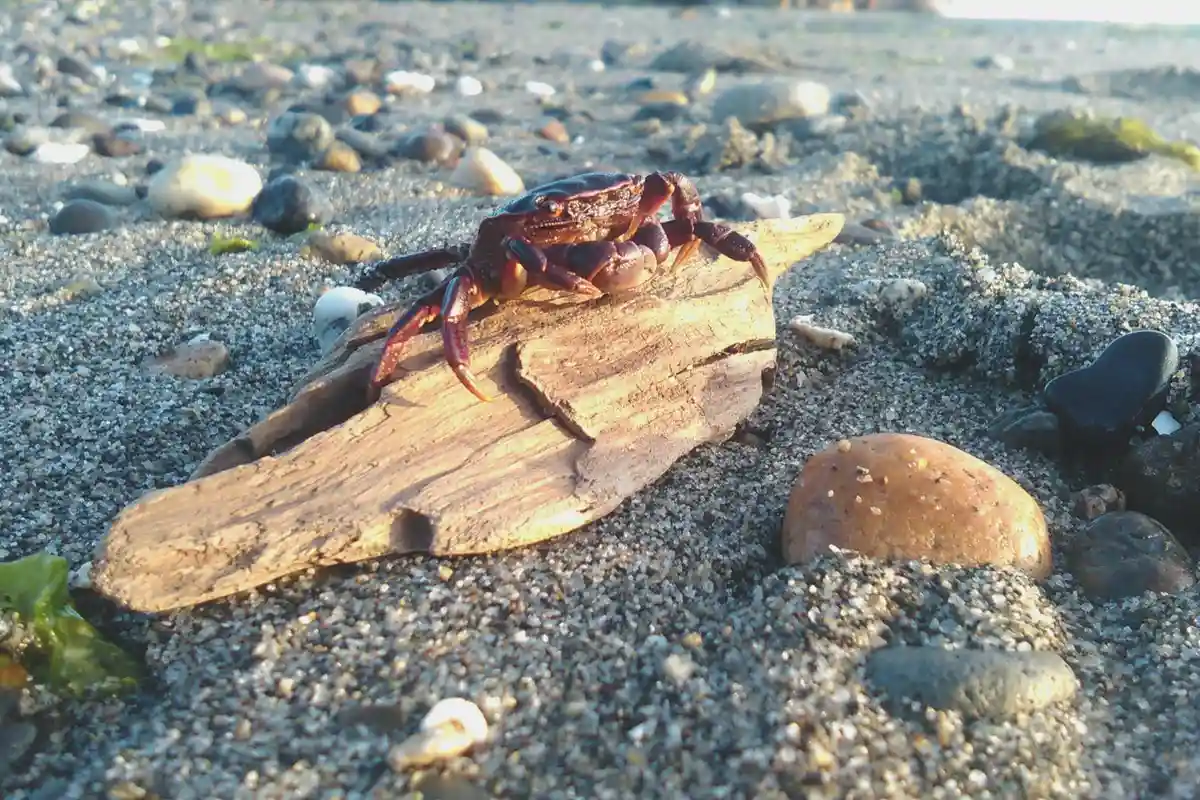
Getting wood ready for your hermit crab habitat is a careful process I’ve refined over years of caring for my own crew. Proper preparation ensures the wood is free from hidden dangers that could harm your curious climbers. Follow these steps to make any wood piece a safe addition. As you set up the tank, choose safe, stimulating decor for your hermit crab habitat. Look for non-toxic, pesticide-free pieces that invite climbing and exploration without risk.
- Start by inspecting the wood for any signs of pests, mold, or sharp edges that could injure your crabs.
- Thoroughly clean the wood by removing all bark and sanding down rough spots.
- Sterilize the wood using a method like boiling or baking to eliminate bacteria and toxins.
- Allow the wood to dry completely before placing it in the enclosure to prevent mold growth.
Inspecting and Cleaning Wood
Before any wood touches your crab’s home, give it a close look. I always run my hands over the wood to feel for splinters and check for tiny holes that might house insects. My crab Hermes is a fast explorer, and I once found a small spider on a branch-since then, I never skip this step.
Use these steps to clean wood effectively:
- Remove all bark with a stiff brush or your hands; it can harbor mold and mites.
- Smooth sharp edges and points with medium-grit sandpaper to prevent cuts.
- Rinse the wood under cool water to wash away loose debris and dust.
I keep a toolkit with sandpaper, a brush, and gloves handy for this process. Athena, my calm strawberry crab, appreciates the smooth surfaces for her quiet climbs.
Sterilization Methods
Sterilization is non-negotiable for crab safety. I’ve tested boiling, baking, soaking, and air-drying to find what works best for different wood types. Each method has its perks and drawbacks based on my trials with woods like driftwood and cholla.
- Boiling: Kills bacteria quickly but can waterlog porous wood.
- Baking: Effective for mold removal but requires careful temperature control.
- Soaking: Leaches tannins over time, ideal for woods that discolor water.
- Air-drying: Natural and simple, but slower and less reliable for pest elimination.
For my Ecuadorian crab Apollo, who basks under heat, I prefer baking to avoid excess moisture. Choose a method that suits your wood’s density and your crab’s habits.
Boiling and Soaking Techniques
Boiling is my go-to for most woods because it tackles both bacteria and tannins. I submerge the wood in a large pot of water and boil it for at least 30 minutes to ensure deep sterilization. For denser pieces, like oak, I extend this to an hour.
Soaking is great for reducing water discoloration. After boiling, I often soak the wood in fresh water for a day, changing the water twice to pull out remaining tannins. This keeps the habitat water clear for crabs like Poseidon, who loves to soak.
Baking and Drying Processes
Baking works wonders for eliminating mold without adding moisture. I place wood on a baking sheet and heat it at 250°F for about an hour, monitoring closely to avoid scorching. This method saved a piece of grapewood I used for Zeus’s climbing spot.
Drying is the final safeguard. Let wood air-dry completely in a well-ventilated area for a day or two before use to prevent mold outbreaks. I test it by touch-if it feels cool or damp, it needs more time.
Installing Wood Decor in Hermit Crab Habitats
Placing wood in your enclosure should create a fun and functional space. I size wood to match my tank’s dimensions and my crabs’ species-larger pieces for big enclosures, smaller for compact ones. My Caribbean crabs, like Zeus and Hermes, need sturdy structures for their active lifestyles.
Get creative with these ideas:
- Build climbing structures by leaning branches against tank walls or stacking them securely.
- Use flat wood pieces as pathways or bridges to connect different areas.
- Create hides by positioning wood to form cozy nooks for shy crabs like Athena.
In my setup, I positioned a broad piece of wood near Zeus’s food area to give him a dominant perch. This reduces squabbles and lets him guard his spot comfortably.
Sizing and Placement Tips
Measure your tank before adding wood to avoid overcrowding. I use a tape measure to ensure wood leaves enough room for crabs to move and access food and water dishes. For example, in a 20-gallon tank, I keep wood under 12 inches tall.
Place wood to boost habitat health. Positioning wood near moist substrate helps maintain humidity, which my crabs Apollo and Poseidon thrive in. Avoid blocking heat lamps or ventilation to keep the environment stable.
Anchoring and Safety Checks
Secure wood to prevent tipping that could injure your crabs. I bury the base of wood pieces slightly in the substrate or use aquarium-safe silicone for extra stability. This keeps structures firm during digging sessions with crabs like Poseidon. It’s also important to use well-prepared substrate to ensure a safe and comfortable environment for your crabs.
Perform regular safety checks to ensure everything stays in place. I inspect wood weekly for loosening or sharp edges, especially after my active crabs like Hermes have been climbing. A quick tweak can prevent accidents and keep your pets safe.
Maintaining Wood in Hermit Crab Setups
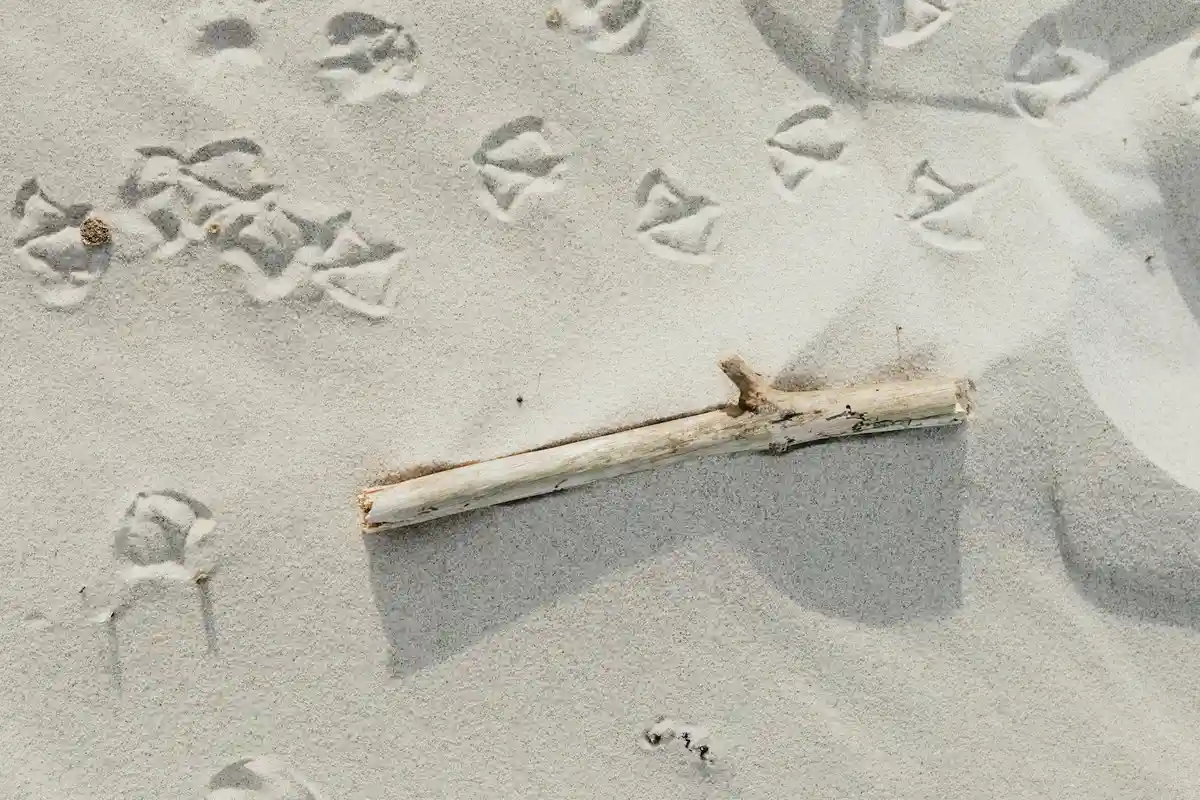
Once you have safe wood in your crabitat, the work is not over. Proper maintenance is what separates a thriving habitat from a problematic one, especially in our high-humidity environments. I learned this the hard way when a piece of wood I neglected developed a fuzzy white patch that sent my normally curious crab, Hermes, scurrying in the opposite direction.
I follow a simple but strict maintenance schedule to keep everything in check. This routine prevents major issues and keeps my crabs active and healthy. This includes a clear plan for how often to clean the hermit crab tank and a complete maintenance schedule. Sticking to it keeps the enclosure stable and the crabs thriving.
- Weekly Visual Check: During every feeding, I do a quick scan of all wood pieces. I look for any discoloration, strange textures, or an unusual number of mites.
- Monthly Deep Inspection: Once a month, when the crabs are less active (often during the day), I gently lift each piece of wood. I check the underside and any crevices that are hidden from view.
- Immediate Action for Mold: If I spot any mold, that piece is removed from the tank immediately for cleaning or is discarded if the decay is advanced.
Cleaning and Re-sterilization
You do not need to deep-clean the wood constantly, as this can remove beneficial microbes and stress your crabs with frequent habitat changes. I only perform a full re-sterilization if I see mold, a foul smell, or an infestation.
Here is my process for cleaning without causing a major disruption.
- Prepare a separate temporary holding tank or bin for your crabs with a few of their favorite shells and some food.
- Carefully remove the wood from the main habitat.
- Scrub the wood vigorously with a stiff-bristled brush under hot water to remove all visible mold, algae, and debris.
- Re-boil the wood for at least 20 minutes, just like during the initial preparation. This kills any lingering spores or bacteria.
- Let the wood cool completely and dry to the touch before placing it back into the main tank. A slightly damp piece is okay, but it should not be soaking wet.
If the wood becomes soft, starts to splinter excessively, or constantly grows mold despite cleaning, it is time to replace it. I typically replace softer woods like grapevine every 12-18 months, while my cholla wood and mopani last for years.
Monitoring for Health Risks
Vigilance is your best tool. In the warm, moist environment a hermit crab needs, mold and bacteria can appear quickly. Regular substrate changes and proper ventilation help prevent mold buildup. With consistent maintenance, you can manage mold in hermit crab enclosures and keep your crabs healthy.
- Mold: Looks like fuzzy patches of white, green, or black. It often smells musty.
- Mildew: Presents as a flat, powdery white or gray film on the surface.
- Bacterial Growth: Can be slimy and is often accompanied by a rotten odor.
My crab Apollo loves to bask under the heat lamp right next to a piece of mopani wood. This personal experience taught me that even areas that seem dry can develop mold in the hidden, shaded parts touching the substrate. I make a point to lift and check his favorite basking log every few weeks because of this.
If you find mold, do not panic. Remove the wood immediately and follow the cleaning steps. Acting fast prevents the mold from releasing a large number of spores into the tank’s air, which can irritate your crab’s modified gills. Keeping good ventilation in the tank canopy and ensuring there is no stagnant air has been the most effective strategy in my years of keeping these wonderful pets.
FAQs
Can hermit crabs safely chew on the wood in their enclosure?
Hermit crabs may nibble on wood for dietary fiber and enrichment, but only if it is from non-toxic, safe types like cork or driftwood. Always monitor for excessive chewing, as this could indicate a need for more varied nutrition or habitat stimulation—check out the science behind their digestion and nutrition to better understand their dietary needs.
How often should I check and replace the wood in my hermit crab tank?
Perform weekly visual inspections for mold or damage and plan to replace softer woods every 12-18 months, or sooner if decay appears. Regular maintenance ensures the wood remains a safe and functional part of the habitat without introducing risks.
Are there any specific signs that indicate wood has become unsafe for my hermit crabs?
Watch for fuzzy mold patches, slimy textures, or a musty smell, which are clear indicators that the wood needs immediate removal and cleaning. Prompt action helps prevent respiratory issues and maintains a healthy environment for your crabs.
Your Safe Wood Checklist
The most important rule is to always source, identify, and prepare wood correctly before it enters your crab’s home. Stick to reptile-safe hardwoods like cholla, mopani, and grapevine, and avoid all softwoods, especially cedar and pine. I always boil and bake my wood to eliminate any hidden pests or mold. Providing these safe, natural structures isn’t just about decoration-it’s about creating a stimulating and healthy environment for your curious crabs to explore and thrive in.
Further Reading & Sources
- How to Keep Your Hermit Crab Happy in Their Tank
- Hermit Crab Cages, Tanks & Habitats | Petco
- How to Create and Maintain a Healthy Hermit Crab Tank
The Crab Central is your ultimate resource for hermit crab enthusiasts, providing expert advice and practical tips to ensure the health and happiness of your shelled companions. With years of experience in crustacean care, we are dedicated to offering accurate, up-to-date information to support your hermit crab journey. Our mission is to foster a community of responsible hermit crab owners who are passionate about the well-being of these fascinating creatures.
Substrate Types