Safe Plants for Your Hermit Crab Habitat
Selecting the right plants for your hermit crab’s home ensures their safety and enriches their daily life.
With five hermit crabs like curious Hermes and digging Poseidon, I’ve tested many plants and will guide you based on my hands-on experience.
Always choose pesticide-free, non-toxic plants to prevent harm and mimic their natural surroundings.
I’ll cover specific safe plant species, toxic varieties to avoid, and practical tips for integrating greenery into your setup.
Why Add Plants to a Hermit Crab Habitat?
I started adding live plants to my crabitat after noticing how my crab, Hermes, would constantly try to climb the thermometer wire. Live plants provide crucial enrichment that plastic decorations simply cannot match. They offer natural climbing structures, hiding spots, and even a light snack for curious crabs.
Beyond just looking pretty, they play a vital role in your habitat’s ecosystem. Plants help maintain stable humidity levels, which is absolutely non-negotiable for healthy hermit crab gills. My crab Poseidon spends much of his time near the moist moss and ferns, and I’ve seen a noticeable improvement in his activity since introducing them, especially when considering their water needs and aquatic behavior.
They also encourage natural foraging behaviors. Watching Athena gently investigate a new leaf or Apollo munching on a bit of safe moss is incredibly rewarding. It turns their enclosure from a sterile tank into a dynamic, living micro-environment that stimulates their instincts.
What Makes a Plant Safe or Unsafe for Hermit Crabs?
The number one rule for plant safety is the complete absence of pesticides and chemical fertilizers. I always source my plants from reputable organic growers or cultivate them myself for at least three months before introduction. A plant can be botanically non-toxic but still lethal if it’s coated in systemic pesticides.
You must also consider the physical structure of the plant. Avoid anything with sharp thorns, spines, or very tough, fibrous leaves that could injure their delicate bodies and eyes. Soft, broad-leafed plants are generally a safer bet for climbing and nibbling.
The soil the plant comes in is just as important as the plant itself. You must completely remove the original potting soil, which often contains fertilizers and moisture-retaining crystals. Always re-pot the plant in 100% organic topsoil or your crab-safe substrate before placing it in the habitat. I learned this the hard way with a fern that made my crab Zeus lethargic until I figured out the soil was the issue.
Common Toxic Plants to Exclude
This list is based on well-established toxicology data for small animals. When in doubt, leave it out. My personal rule is that if I can’t verify its safety with 100% certainty, it does not go near my crabs.
- Pothos (Devil’s Ivy): Extremely popular but contains insoluble calcium oxalates that cause mouth irritation and swelling.
- Philodendron: Similar to Pothos, it’s a common houseplant that is toxic if ingested.
- Ivy (English Ivy, etc.): Can cause gastrointestinal upset and dermatitis.
- Dieffenbachia (Dumb Cane): Its sap is particularly irritating and dangerous.
- Caladium (Elephant Ear): All parts of this plant are considered toxic.
- Lilies: Many types are highly toxic, even in small amounts.
- Oleander: This plant is dangerously toxic to almost all pets.
- Sago Palm: Every part of this plant is poisonous, with the seeds being the most toxic.
I keep a list of these plants on my phone for quick reference when I’m at the garden center. Sticking to a curated list of known-safe plants is the most reliable way to protect your pets from accidental poisoning.
Best Non-Toxic Plants for Hermit Crab Habitats
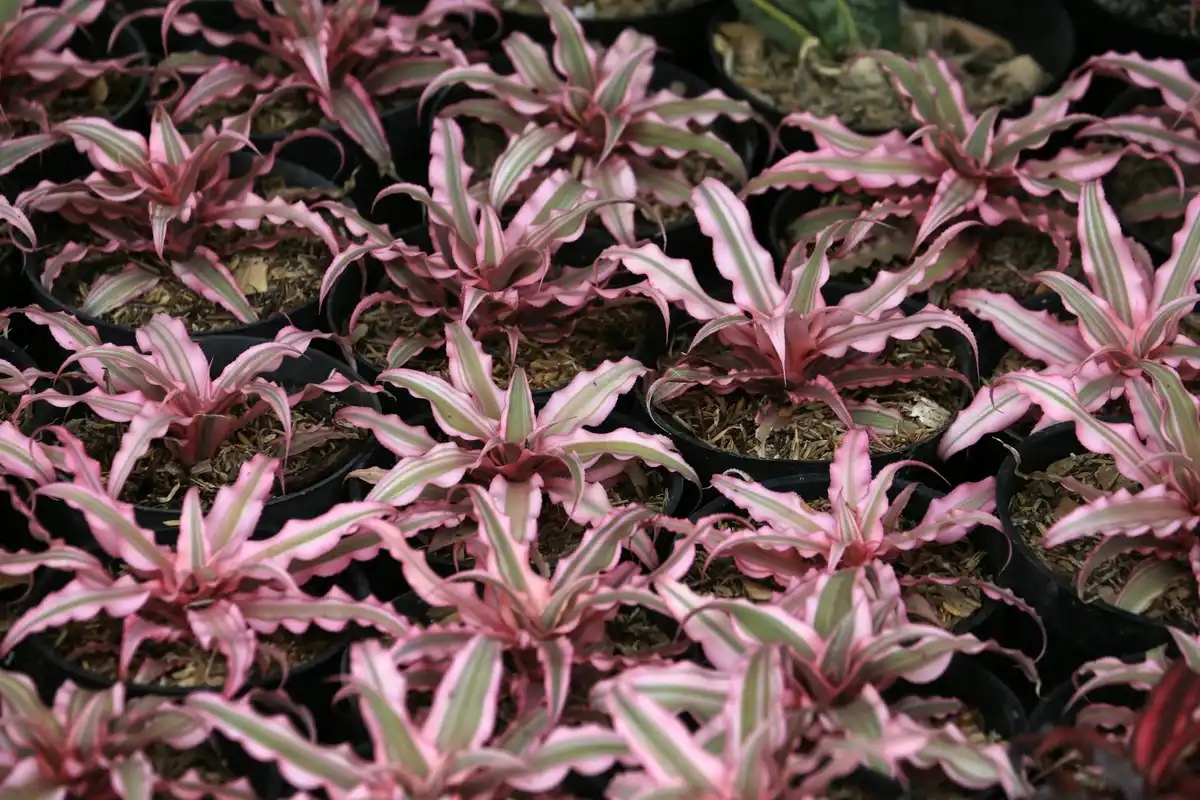
Choosing the right greenery is one of the most enjoyable parts of building a crabitat. My crabs, especially Hermes and Apollo, spend hours climbing on and hiding under the plants I’ve introduced. The key is selecting species that are not only safe if nibbled but also thrive in the warm, humid environment hermit crabs need. This becomes especially important during molting, when a stable, humid habitat supports a safe molt. Thoughtful plant choices and shelter help you create the perfect habitat for molting hermit crabs.
Top Choices for High-Humidity Terrariums
These plants love moisture in the air and can handle the occasional crab climb. I’ve had great success with these in my own habitat. Humidity isn’t just for plants—a healthy hermit crab needs steady moisture, too. Keeping the enclosure consistently moist supports hydration and successful shedding.
- Spider Plant (Chlorophytum comosum): This is my top recommendation. It’s incredibly resilient, grows quickly, and is completely non-toxic. My crab Poseidon often nibbles the tips without any issue.
- Bromeliads (Neoregelia, Aechmea): These are fantastic because they hold water in their central “cup,” providing a tiny, natural water source for your crabs. Athena loves to perch on the broad leaves of mine.
- Pothos (Epipremnum aureum): A nearly indestructible vine that grows well in low light and high humidity. It provides excellent ground cover and climbing opportunities. I have to trim mine back every few months!
- Boston Fern (Nephrolepis exaltata): This fern adds beautiful, soft texture and thrives in humid conditions. It creates wonderful, shady hiding spots on the substrate floor.
Epiphytes and Air Plants for Vertical Space
Epiphytes are plants that grow on other surfaces, like wood or rocks, instead of in soil. They are perfect for maximizing climbing space and adding interest to the upper areas of your tank.
- Air Plants (Tillandsia): These are incredibly versatile. You can securely attach them to driftwood or suction cups on the glass. Just remember to mist them with dechlorinated water a few times a week.
- Staghorn Fern (Platycerium): A stunning epiphyte that you can mount on a piece of cork bark. It looks dramatic and provides a large, sturdy leaf structure for crabs to explore.
- Some Orchids (e.g., Phalaenopsis): Many common orchids are non-toxic and epiphytic. Mount them high up where they can get some indirect light. My crab Zeus seems to enjoy the challenge of climbing up to the orchid’s base.
How to Prepare Live Plants for Your Habitat
You cannot simply take a plant from a garden center and drop it into your crabitat. Proper preparation is critical to remove any pesticides, fertilizers, or hitchhiking pests that could harm your crabs. I learned this the hard way years ago, and now I follow this ritual with every new plant.
Soil and Potting Considerations
The goal is to get the plant out of its commercial potting mix and into a safe state for the tank.
- Gently remove the plant from its nursery pot. Carefully shake and rinse the root ball under lukewarm, dechlorinated water to remove as much of the old soil as possible.
- Soak the entire plant, roots and all, in a bucket of dechlorinated water for about 15-20 minutes. This helps to loosen more soil and drown any small pests.
- Inspect the leaves and roots thoroughly. Look for any signs of bugs like aphids or mites. Remove any dead or dying leaves.
- You have two main options for placing the plant in the habitat:
- Plant it directly into the substrate. This works best if your substrate is a deep, sand-and-coco-fiber mix that can support roots.
- Keep it in a small, shallow terracotta or ceramic pot. Fill the pot with a safe, organic potting soil or plain coco fiber. Bury the pot slightly in the substrate so your crabs can easily access it.
Never use any potting mix that contains chemical fertilizers, perlite (those little white stones), or pest control additives. These are extremely dangerous to hermit crabs. Plain, organic topsoil is a safe bet if you don’t use your tank’s substrate. Remember, the best substrate is one you prepare yourself for your crabs. A simple mix of plain, organic topsoil with sand or coconut coir provides the right moisture and texture.
Incorporating Plants into Your Habitat Design
Using Live vs. Artificial Plants
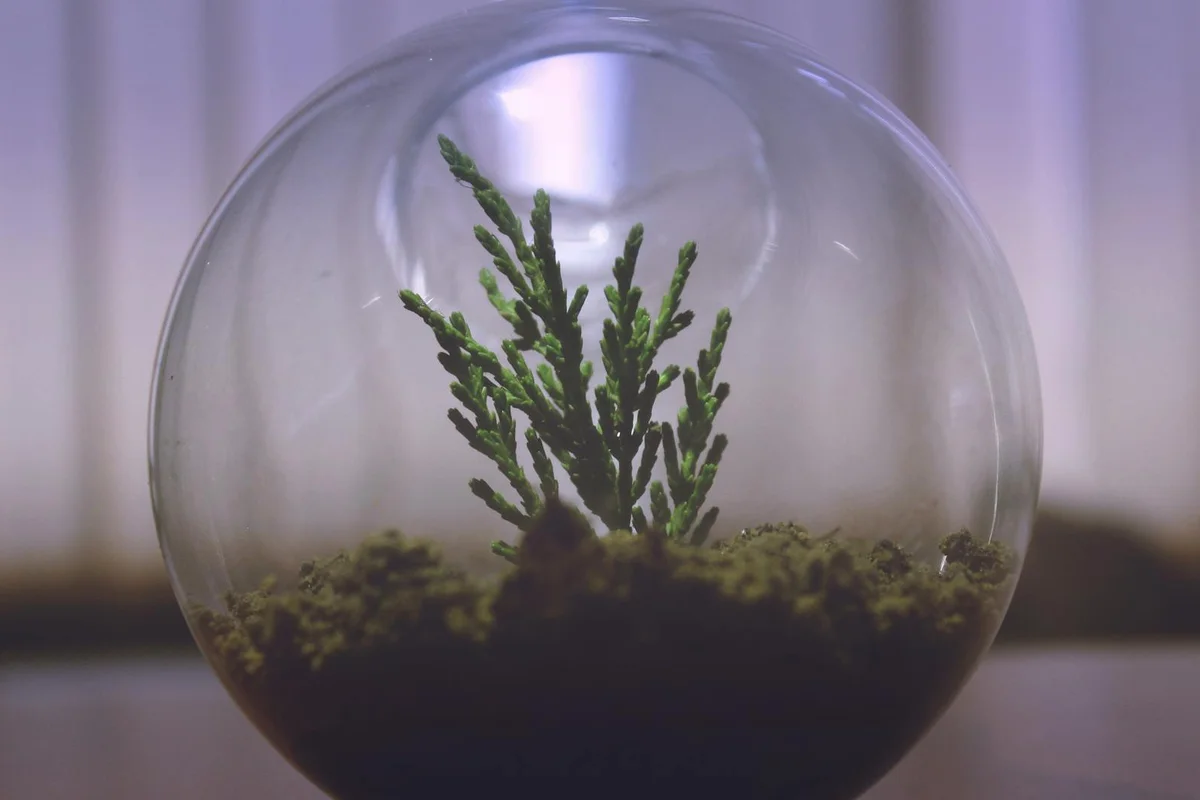
Choosing between live and artificial plants is one of the biggest decisions you’ll make for your crabitat. I’ve used both extensively with my crew, and each has its own place. Your choice will significantly impact the habitat’s maintenance and your crabs’ interaction with their environment. For a hermit crab friendly environment at home, choose plants that boost humidity and provide safe hiding spots. This helps your crabs explore and molt more comfortably.
Live plants create a more dynamic, natural ecosystem. My crab Apollo, in particular, seems to enjoy nibbling on the occasional live sphagnum moss. They help process waste and can improve air quality. However, they require specific care to thrive under the same heat and intense humidity your crabs need. Learn more about the benefits of live plants in hermit crab habitats.
- Pros of Live Plants: Natural foraging opportunities, contributes to a bioactive setup, helps maintain humidity levels.
- Cons of Live Plants: Can be dug up or destroyed by crabs, requires compatible lighting and soil, may introduce pests if not properly quarantined.
Artificial plants offer unparalleled durability and zero maintenance. My assertive crab, Zeus, used to constantly climb and reposition my silk plants without any damage. They provide instant cover and climbing enrichment. The key is selecting aquarium-safe or reptile-safe silk plants that have no exposed wire frames. I avoid plastic plants with sharp edges that could injure a crab’s delicate abdomen.
- Pros of Artificial Plants: Always look pristine, no risk of being eaten or dying, easy to clean and rearrange.
- Cons of Artificial Plants: Offers no nutritional value, does not contribute to the bioactive cycle.
Caring for Plants in a Hermit Crab Environment
Managing Humidity and Moisture
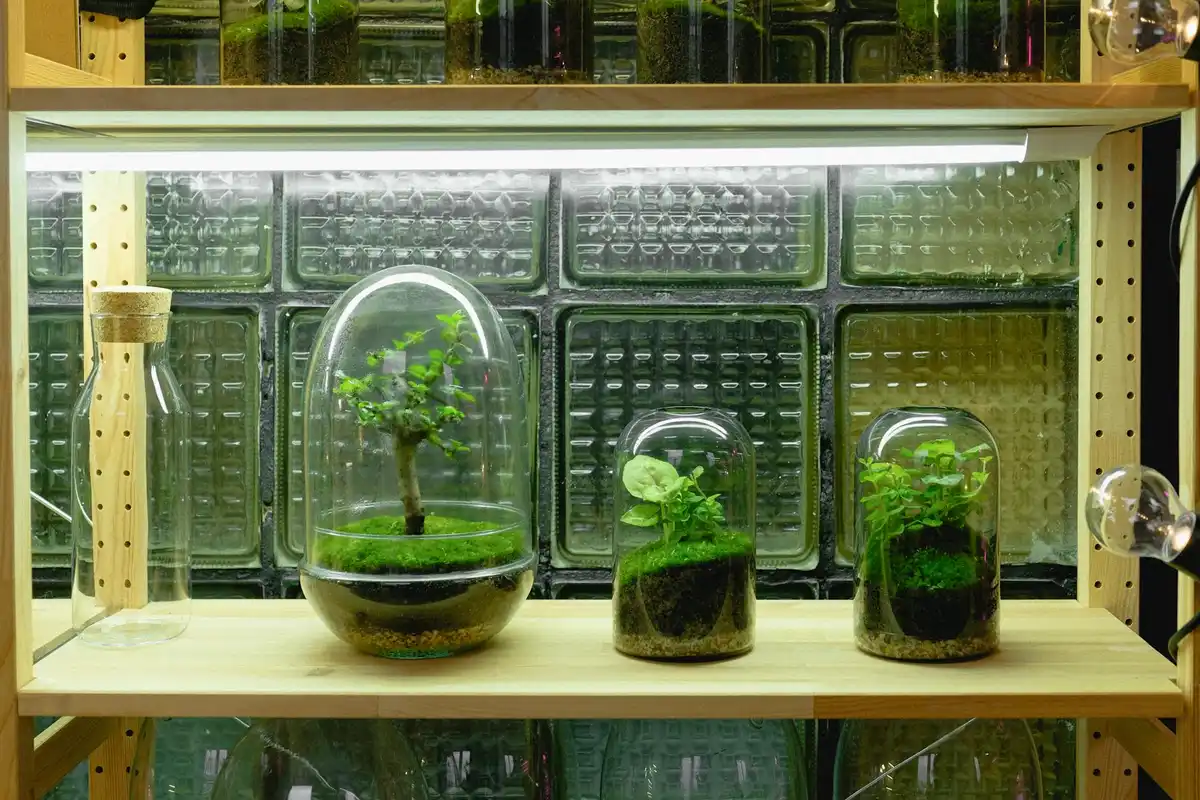
Humidity is the lifeblood of a hermit crab habitat, but it’s a double-edged sword for plants. You are aiming for a constant 70-80% relative humidity, which can be a challenge to balance. In a hermit crab habitat, maintaining the right temperature-humidity mix is part of the same care routine. The ideal temperature-humidity range typically sits around 75-85°F (24-29°C) with 70-80% relative humidity, adjusted to your crabs’ needs. Proper moisture management is the single most important factor for keeping any live plant alive alongside your crabs.
I achieve this through a layered approach. A deep substrate base holds moisture at the bottom, leaving the top layer drier. This prevents plant roots from sitting in waterlogged soil, which causes rot. My crab Poseidon loves the damp lower layers for digging, while the plants benefit from the consistent, indirect moisture.
For live plants, I use a simple hand mister to water directly at the base of the plant, avoiding the leaves to prevent mold. Always use dechlorinated water, just as you do for your crabs’ pools. I check the soil moisture by touch before watering; if the top inch feels dry, it’s time for a drink.
With artificial plants, humidity control is about managing condensation. I’ve noticed that smooth, silk leaves shed water droplets better than textured plastic ones. Good ventilation is crucial to prevent stagnant, moist air from getting trapped in dense artificial foliage, which can lead to bacterial blooms. I gently shake my fake plants during daily checks to dislodge any large water droplets.
FAQs
How often should I check and replace the plants in my hermit crab habitat?
Inspect plants weekly for any signs of wilting, mold, or damage, and replace them as needed to maintain a healthy environment. This helps prevent potential hazards and ensures your crabs always have access to safe, enriching foliage.
Is it safe to use plants from my own garden in the habitat?
Generally, avoid garden plants due to risks of pesticides, pollutants, or unknown toxins that could harm your crabs. If you must use them, quarantine and thoroughly clean the plants for several weeks before introducing them to eliminate any contaminants.
What immediate steps should I take if I suspect my hermit crab has ingested a toxic plant?
Remove the plant immediately and observe your crab closely for symptoms like vomiting or lethargy. Contact a veterinarian familiar with hermit crabs promptly for guidance, as quick action can be critical for their health. If illness is suspected, start a quarantine and follow a step-by-step treatment guide for the sick hermit crab. This helps prevent spreading illness and keeps you organized as you care for the crab.
In Closing
The safest plants for your hermit crab’s home are those that are chemical-free and mimic their natural foraging environment. I always stick to organic, untreated leaves, bark, and mosses, which my crab Hermes loves to climb on and nibble. Providing these natural elements enriches their world and supports their instinctual behaviors, creating a happier and healthier pet. Safe wood options include driftwood and other untreated hardwoods (like beech or oak); make sure they’re free from paint, varnish, or resins. Before adding any wood to the enclosure, boil or bake it to remove residues and parasites, then dry thoroughly and rinse in dechlorinated water.
Further Reading & Sources
- How to Build a Hermit Crab Habitat
- 7 Great Plants for Hermit Crabs (Vet-Verified Info With Pictures) | PangoVet
- How Do You Build a Home for Hermit Crabs? | Smithsonian’s National Zoo and Conservation Biology Institute
The Crab Central is your ultimate resource for hermit crab enthusiasts, providing expert advice and practical tips to ensure the health and happiness of your shelled companions. With years of experience in crustacean care, we are dedicated to offering accurate, up-to-date information to support your hermit crab journey. Our mission is to foster a community of responsible hermit crab owners who are passionate about the well-being of these fascinating creatures.
Proper Tank Setup