
Essential Supplies for Your Hermit Crab Tank Setup (Complete Checklist)
Published on: June 20, 2026 | Last Updated: June 20, 2026
Written By: The Crab Guru
Getting your hermit crab’s habitat right from the start makes all the difference for their health and happiness.
With five hermit crabs of my own, I’ve refined this checklist through hands-on care to save you time and guesswork.
Always offer multiple shell choices to prevent stressful fights over housing.
This guide details the tank, substrate, heating, humidity, shells, food, water, and decor you need for a complete setup.
The Core Foundation: Tank and Substrate
Your hermit crab’s tank is its entire world, so getting this foundation right is non-negotiable. I learned this the hard way after starting with a tank that was far too small. Upgrading to a proper enclosure was the single biggest improvement I made for my crabs’ health and happiness. That experience led me to a complete sizing guide on the best tank size for hermit crabs. It walks you through choosing the right dimensions and how to adjust as they grow.
Choosing the Right Tank Size
Bigger is always, always better. A common guideline is 10 gallons per crab, but I prefer to think in terms of floor space for climbing and exploring. My two Caribbean crabs, Hermes and Poseidon, thrive in a 20-gallon long tank because of the extensive horizontal room.
- 1-2 small crabs: 10-gallon tank (absolute minimum)
- 2-3 medium crabs: 20-gallon long tank (my personal recommendation for a starter group)
- 4+ crabs or larger species: 30-gallon tank or larger
Remember, your crabs need space not just for walking, but for all their essential items without feeling cramped.
Selecting and Preparing Your Substrate
Substrate is more than just flooring; it’s where your crabs will dig, de-stress, and most importantly, molt safely. A poor substrate choice can lead to surface molting, which is often fatal.
I use and recommend a 5:1 mix of play sand and coconut fiber brick. This combination holds its shape for tunneling and retains moisture perfectly for humidity.
The ideal substrate depth is at least three times the height of your largest crab, or a minimum of 6 inches deep. My crab Zeus is a big guy, so I keep a solid 8-inch substrate bed across the entire tank.
Steps to Create the Perfect Substrate Mix
- Rinse your play sand in a bucket with water until the water runs clear to remove fine dust.
- Expand a brick of coconut fiber in a separate bucket with dechlorinated water.
- Thoroughly combine the damp sand and coconut fiber in a clean bucket. Mix with your hands to break up any clumps.
- Perform the “sandcastle test.” Grab a handful and squeeze. It should hold its shape without dripping water. If it’s too dry, add more dechlorinated water. If it’s too wet, add a bit more sand.
- Add the mixed substrate to your tank, packing it down firmly to prevent caves from collapsing.
Water and Humidity Management Must-Haves
Hermit crabs have modified gills and breathe humid air. They also need to regulate their shell water and drink both fresh and saltwater. Neglecting water and humidity is the fastest way to make your crabs seriously ill. Maintaining proper moisture is essential for a healthy hermit crab. Regular humidity and access to water help their gills function and shells stay hydrated. I check my tank’s conditions every single day without fail.
Providing Proper Water Dishes
Shallow plastic food containers or reptile dish ramps work perfectly. The key is that your smallest crab can get in and out easily without drowning.
- You need two separate dishes: one for freshwater and one for saltwater.
- The dishes must be deep enough for your largest crab to fully submerge its shell.
- I use natural sea sponges in each dish. They help maintain humidity and give the crabs an easy way to drink.
My crab Apollo loves to sit on the sponge in his saltwater pool for what seems like hours, just soaking it all in.
Water Treatment and Saltwater Mixing
Tap water is toxic to hermit crabs due to chlorine and heavy metals. You must treat all water with a dechlorinator like Seachem Prime. This is part of a hydration and water conditioning guide for hermit crabs.
For saltwater, never use table salt. You must use a marine salt mix like Instant Ocean, designed for aquatic life.
- Start with a jug of dechlorinated freshwater.
- Follow the instructions on your marine salt mix to create brackish water. I use a small refractometer to check the salinity, but following the mix directions carefully is a great start.
- Always mix the salt into the water in a separate container before adding it to the tank dish. Never pour salt directly into the dish.
Maintaining Perfect Humidity
The ideal humidity range is between 70% and 80%. To monitor this, you need a digital hygrometer. The analog dial kinds are often inaccurate and can’t be trusted.
- Misting: I use a clean spray bottle filled with dechlorinated water to mist the tank walls and substrate edges daily.
- Bubblers: Adding a small aquarium air stone to your water dishes creates bubbles that dramatically increase humidity. This was a game-changer for my tank.
- Tank Lids: A solid glass or plexiglass lid is essential. Mesh lids let all the humidity escape. I have a glass top on my tank, and it holds moisture perfectly.
If your humidity is consistently low, try moving your water dishes closer to your heat source. The gentle warmth will help water evaporate and boost the moisture in the air.
Heating and Lighting Essentials
Getting the temperature and light right in your crabitat is not just about comfort-it’s about survival. Hermit crabs are poikilotherms, which means they rely entirely on their environment to regulate their body temperature and metabolic processes. A tank that is too cold can lead to lethargy, a loss of appetite, and can even be fatal. Overheating or chilling can be just as dangerous, so avoid extremes. Providing a temperature gradient and regular monitoring helps hermit crabs regulate their body heat.
Selecting the Right Heat Source
You have two main options for heating: under-tank heaters (UTH) and heat lamps. I use and recommend a combination of both for optimal heat gradient control.
- Under-Tank Heaters (UTH): These pads adhere to the side or back of the tank glass, *never* the bottom. Placing one under the substrate can overheat and harm buried crabs. A UTH is excellent for providing a steady, ambient background heat. I have one on the back of my tank to help maintain the overall temperature.
- Heat Lamps: These create a more direct basking area. You’ll need a ceramic heat emitter (which produces no light) or a reptile basking bulb in a proper dome lamp. My crab Apollo absolutely adores his basking spot directly under the heat lamp; I’ll often find him perched on a piece of cholla wood, soaking up the warmth for hours.
Your goal is a temperature range of 75-85°F (24-29°C) across the tank. Use a reliable digital thermometer with a probe to monitor both the warm and cool ends. The heat source should always be placed on one side to create this essential gradient, allowing your crabs to choose their comfort zone.
Lighting for Health and Behavior
While hermit crabs do not require UVB lighting to the same extent as some reptiles, providing a low-output UVB bulb can be hugely beneficial.
- UVB light helps them produce Vitamin D3, which is critical for metabolizing the calcium they consume. This process is vital for maintaining a strong, healthy exoskeleton and for successful molting.
- A consistent day-night cycle of about 12 hours on and 12 hours off regulates their natural rhythms, reducing stress and encouraging normal, active behavior. You can easily automate this with a simple outlet timer.
Nutrition and Feeding Supplies
Feeding your hermit crabs is where you can really see their unique personalities shine. Forget the dusty, generic pellets from a pet store; a varied, fresh diet is the key to a thriving crab. So, how often should you feed them? Offer a small amount daily or every other day, adjusting for how quickly they finish and the tank’s conditions.
Start with the basics: you need at least two shallow, sturdy dishes. I use ceramic or food-safe resin dishes that are too heavy to be tipped over.
- Place one dish for fresh food and another for a constant supply of calcium.
- Keep them away from the main climbing areas and water pools to prevent substrate and water from being kicked into the food.
Essential Calcium Sources
Calcium is non-negotiable for hermit crabs. It’s the building block of their exoskeleton and new shells. I always provide multiple sources. This is why calcium is essential for hermit crab health and shell strength. Without it, their shells can become weak and prone to cracking during molts.
- Cuttlebone: This is a staple. You can find it in the bird aisle. Just break off a piece and place it in their tank. My crabs will gnaw on it regularly.
- Crushed Oyster Shell: I keep a small dish of this available at all times. It’s a great natural source.
- Powdered Calcium: I lightly dust their fresh foods with a calcium powder (without Vitamin D3) a few times a week, especially after a molt.
It’s quite a sight to see my crab Zeus stand guard over the cuttlebone, as if it’s his personal treasure.
A Sample Diet from My Tank
I rotate their meals daily to keep things interesting. Here’s a sample of what my crew enjoys:
- Proteins: Unsalted shrimp, mealworms, scrambled egg (with the shell crushed in).
- Fruits & Veggies: Mango, coconut, apple, sweet potato, and leafy greens.
- Fats & Treats: Natural peanut butter (no xylitol), chia seeds, and occasional bits of popcorn (unsalted, unbuttered).
Providing this variety isn’t just about nutrition; it’s a form of enrichment that encourages natural foraging behaviors and keeps them engaged and happy. Remove any uneaten fresh food within 24 hours to keep the tank clean and mold-free.
Shelter, Climbing, and Enrichment Items
Your hermit crab’s mental health is just as vital as its physical health. Providing proper shelter and enrichment directly combats stress, which is a leading cause of health issues in captive hermit crabs. I’ve seen a huge difference in my crabs’ confidence and activity levels since I focused on creating a stimulating environment for them. Managing stress in hermit crabs is crucial for their overall well-being.
Creating Safe Hiding Spots
Hermit crabs are prey animals and feel incredibly vulnerable without places to retreat. My crab Athena taught me this; she used to hide constantly until I gave her better options. Now, she moves between her favorite spots with calm purpose. To properly handle your hermit crab, learn to read its stress signals. These cues tell you when to give space and how to handle it gently.
- Cholla Wood: This is a favorite. Its natural holes and tunnels make perfect, ready-made hides. My crabs love climbing on it and sleeping inside it.
- Coconut Huts: A classic for a reason. They are dark, cozy, and hold humidity well. I always keep at least two in different tank areas.
- Terracotta Pots: An affordable and excellent DIY option. Just lay a small pot on its side in the substrate. Make sure the drainage hole is plugged or filed smooth.
- Natural Rock Caves: These provide a cool, sturdy shelter. Ensure the rocks are stable and won’t collapse if a crab decides to dig underneath.
Climbing and Play Structures
In the wild, hermit crabs are skilled climbers. Denying them this outlet leads to boredom and frustration. My curious crab Hermes is on a constant mission to reach the top of anything I put in the tank, and I love watching him explore. Providing vertical space is non-negotiable.
- Cork Bark Flats and Rounds: This is my top recommendation. It’s lightweight, natural, and the textured surface gives crabs a perfect grip. You can lean it against the glass to create climbing walls.
- Reptile Hammocks & Rope Nets: These are fantastic for store-bought vertical fun. My crabs, especially Apollo, enjoy lounging on them under the heat lamp.
- Mopani Wood & Driftwood: These pieces create a beautiful, natural landscape with multiple levels for climbing and perching.
- DIY Ladder: You can craft a simple ladder using sisal rope and safe, untreated popsicle sticks. It’s a fun project that your crabs will appreciate.
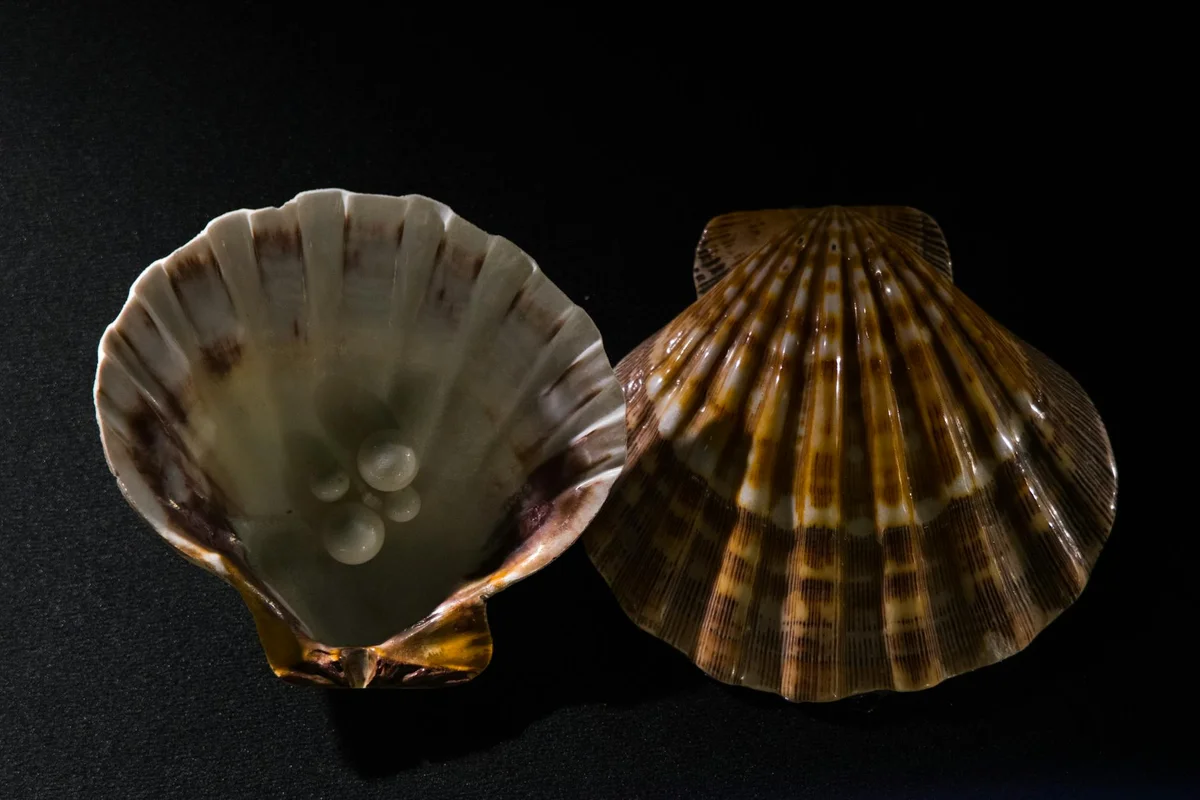
A critical part of enrichment is providing a proper shell shop. A crab without good shell options can become stressed and even aggressive. I keep a wide variety of turbo shells in different sizes, as my Caribbean crabs like Hermes and Zeus strongly prefer them. My Ecuadorian, Apollo, is less picky and will try on almost anything. Offer shells that are slightly larger than their current one. Smooth interiors and round openings are generally the most popular.
Health Monitoring and Maintenance Tools
Setting up the perfect tank is only the first step. Keeping it clean and monitoring conditions is the ongoing work that ensures your crabs thrive for years. This is where the right tools make all the difference between guessing and knowing.
You need to track two environmental factors constantly. Temperature and humidity are the pillars of hermit crab health. Understanding the ideal temperature and humidity range for a hermit crab habitat helps you set safe targets and tailor care. Keeping within that range supports healthy molts and active behavior.
- Digital Thermometer/Hygrometer Combo: Do not rely on analog dials; they are often inaccurate. A digital unit with a probe gives you a precise reading of the conditions inside the tank. I check mine multiple times a day.
- Backup Shells: Always have a few empty shells of the right type and size on hand. You never know when a crab will decide to change homes, especially after a molt.
- Small Critter Carrier: This is your emergency and holding tank. Use it for isolating a crab if you suspect illness or for safely holding crabs during deep cleanings.
A dirty tank is a breeding ground for mold and bacteria, which can be fatal. I have a dedicated “crab kit” with tools I never use for anything else to prevent cross-contamination.
- Small Sand Sifter or Kitty Litter Scoop: This is for daily spot cleaning. I use it to remove feces, leftover food, and any other waste I see on the substrate surface.
- Spray Bottles: I have one for fresh water and one for saltwater, used only to mist the tank and maintain humidity.
- Small Buckets and Dedicated Sponges: These are for cleaning food and water dishes. I wash the dishes with hot water and a dedicated sponge every other day, never with soap.
My personal routine involves a quick spot-clean every morning when I refresh food and water. Every weekend, I do a more thorough check, sifting through the top layer of substrate and checking the stability of all climbing structures. A full, deep-clean of the entire tank-replacing all the substrate-only happens once or twice a year, as this process is very disruptive to the established bacterial ecosystem and any buried, molting crabs.
Optional and Budget-Friendly Additions

Once you have the absolute essentials covered, you can start thinking about the fun extras that turn a basic habitat into a thriving crabby kingdom. These additions aren’t strictly necessary for survival, but they dramatically improve your crabs’ quality of life and make tank watching much more entertaining for you.
Supplementary Items for an Enriched Habitat
Think of these as the luxury items that encourage natural behaviors and prevent boredom.
- Climbing Nets & Ropes: My crab, Hermes, spends hours traversing the reptile ladder I secured to the side of the tank. It’s a fantastic way to utilize vertical space.
- Cholla Wood & Cork Rounds: These serve as both climbing structures and edible, chewable hides. My crabs love to nibble on them.
- Shallow Pools for Soaking: While a water dish is essential, providing a second, slightly deeper dish with a ramp (like a reptile pool) allows for full-shell soaking, which they adore.
- Automated Mister/Fogger: This is a splurge, but it helps maintain humidity automatically, which is a huge help if you live in a dry climate.
- LED Tank Light on a Timer: A simple, low-heat LED light on a 12-hour cycle helps simulate a natural day/night rhythm for your crabs.
My Top Money-Saving Tips from Experience
You do not need to break the bank to be a fantastic crab parent. I’ve saved a fortune by getting creative.
- Repurpose Kitchenware: I use small, shallow ceramic dishes from a thrift store as food and water bowls. They are heavy, so the crabs can’t tip them over.
- Forage for Safe Wood: Instead of buying expensive driftwood, you can bake hardwood branches from your yard (like oak or maple) at 250°F for an hour to sterilize them. Just be 100% sure they are from an untreated, pesticide-free area.
- Buy Substrate in Bulk: A massive bag of play sand from a hardware store is infinitely cheaper than the small bags sold in pet stores. Just rinse it thoroughly before use.
- Shell Swaps: Connect with other hermit crab owners online for shell swaps. This is a free way to offer a wider variety of shell shapes and sizes.
- Craft Store Finds: You can often find natural sea sponges and fake plants for a fraction of the price at craft stores compared to pet stores.
Prioritizing Your Purchases on a Tight Budget
If funds are limited, focus your spending in this order. The welfare of the animal always comes first.
- Secure the Habitat: A proper tank with a sealed lid is non-negotiable for safety and humidity.
- Invest in Substrate: Enough depth and the correct mix of sand and coconut fiber is critical for successful molting.
- Provide Heat & Humidity: A heater and two gauges are essential for their basic bodily functions.
- Offer Shells & Nutrition: A selection of proper shells and a varied diet prevent stress and illness.
- Add Enrichment Last: Climbing toys, extra pools, and automated systems are wonderful, but they come after all the life-supporting essentials are firmly in place.
FAQs
How can I tell if my hermit crab is about to molt?
Signs include frequent digging, reduced activity, and cloudy or ashy exoskeleton appearance. Ensure the substrate is deep and moist to support a safe, stress-free molting process.
Is it safe to handle my hermit crab regularly?
Limit handling to avoid stress, as hermit crabs are delicate and can drop limbs if frightened. Always handle gently over a soft surface and wash your hands to prevent transferring contaminants. As a beginner, follow the hermit crab handling dos and don’ts. Do handle gently and keep sessions brief; don’t grab by the limbs or lift from under the shell.
What should I do if I suspect my hermit crab is sick?
Isolate the crab in a separate, humid container and review tank conditions like temperature and humidity for deviations. Consult a veterinarian experienced with exotic pets for proper diagnosis and care.
Your Journey Starts Here
Getting your tank set up correctly from the start is the single most impactful thing you can do for your crab’s health and happiness. My own crabs, from the curious Hermes to the calm Athena, have all thrived because their home met their core needs before they even moved in. Use this checklist as your guide to build a secure, enriching habitat, and you will be rewarded with the fascinating behaviors of a truly content pet.
Further Reading & Sources
The Crab Central is your ultimate resource for hermit crab enthusiasts, providing expert advice and practical tips to ensure the health and happiness of your shelled companions. With years of experience in crustacean care, we are dedicated to offering accurate, up-to-date information to support your hermit crab journey. Our mission is to foster a community of responsible hermit crab owners who are passionate about the well-being of these fascinating creatures.
Essential Supplies