Safe Human Foods for Your Hermit Crab
You’re staring at your leftover vegetables and wondering, “Can my hermit crab eat this?”
After years of caring for my five crabs-Hermes, Apollo, Athena, Zeus, and Poseidon-I’ve learned which human foods are safe through careful observation and research.
Fresh, natural foods are always better than anything processed.
In this guide, I’ll share the safe fruits, vegetables, proteins, and important feeding tips I use daily with my own colony.
Can Hermit Crabs Eat Human Food?
Many of the foods you already have in your kitchen are perfectly safe and wonderfully beneficial for your hermit crabs, provided they are prepared with their unique needs in mind. I regularly supplement my crew’s commercial diet with fresh, human-grade foods, and the difference in their activity and shell health is noticeable. Insects can provide safe protein-rich insect options for your hermit crabs, such as appropriately sized mealworms or crickets, when offered in moderation. Always choose pesticide-free insects and feed them sparingly to maintain balance in their diet.
My curious crab, Hermes, will scramble across the tank for a bit of ripe banana, while Apollo seems to relish the texture of shredded carrot. This variety isn’t just a treat; it’s a cornerstone of their nutritional well-being and mimics the diverse foraging they would do in the wild. The single most critical rule is offering these foods in strict moderation alongside their staple diet to prevent nutritional imbalances and keep their habitat clean.
Safe Fruits for Hermit Crabs
Fruits are a fantastic source of vitamins and natural sugars that give my crabs a quick energy boost. My go-to safe options include:
- Apples (peeled)
- Bananas
- Strawberries
- Mango
- Papaya
- Shredded Coconut (unsweetened)
Preparation is non-negotiable for safety: always wash fruits thoroughly to remove pesticides, and crucially, remove all seeds or pits as they can be toxic. I cut everything into tiny, manageable pieces to prevent struggling and potential fights over larger scraps.
From my own tank, I’ve seen that my calm Athena will slowly but steadily devour a piece of strawberry, while Zeus, my more assertive crab, will often try to guard a prized piece of banana. Observing which fruits your individual crabs prefer is part of the joy and helps you cater to their personal tastes for a happier, healthier pet.
Safe Vegetables and Leafy Greens
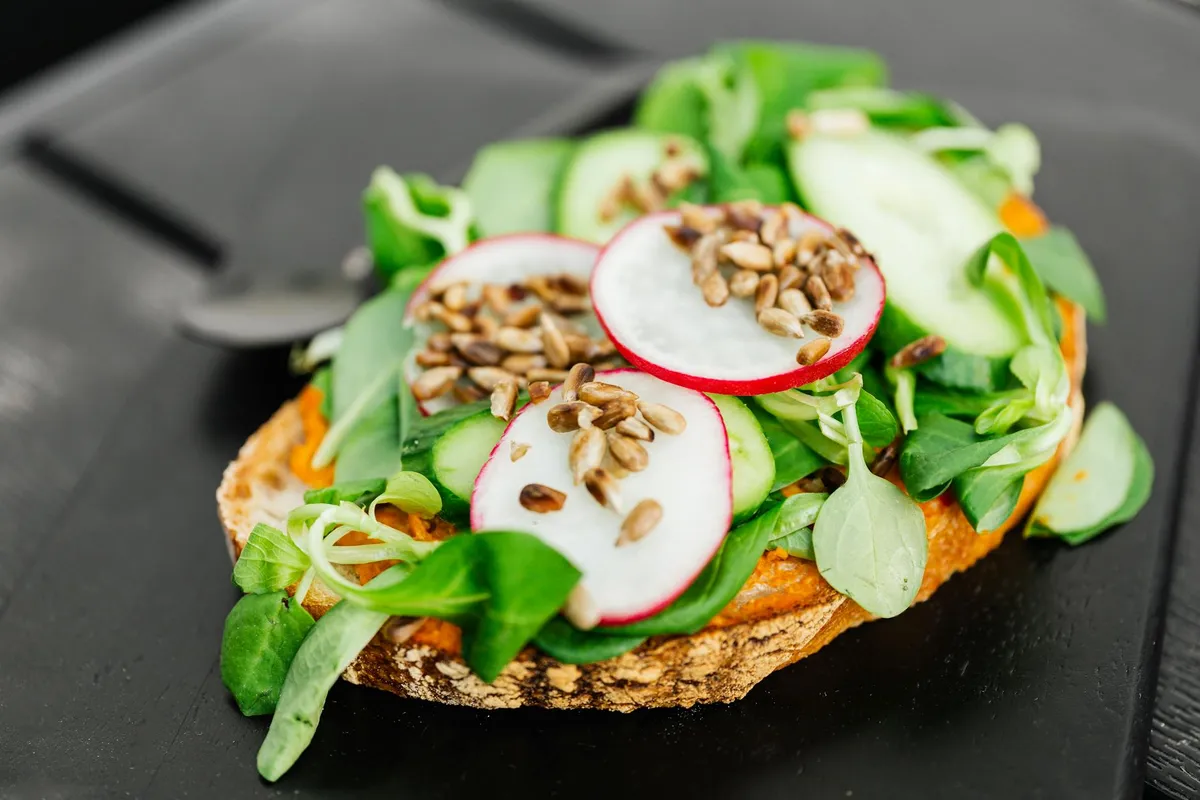
Offering a variety of fresh vegetables is one of the best things you can do for your hermit crab’s health. I’ve found that a colorful plate not only provides essential vitamins but also encourages natural foraging behaviors in my tank, which is one of the enrichment activities you’ve told me about. My crew, especially Athena, gets visibly more active when they detect the scent of fresh greens.
Here are the staple vegetables I regularly offer my crabs:
- Carrots: These are a fantastic source of beta-carotene, which is vital for their exoskeleton and overall health. I always grate them raw for easy eating.
- Cucumber and Zucchini: These are great for hydration. My crabs will often munch on these, and they’re a particular favorite for my curious crab, Hermes.
- Pumpkin and Sweet Potato: Both are packed with beta-carotene. For harder veggies like sweet potato, I always cook them until they are soft and mashable. Steaming or boiling without any salt or seasoning is the way to go.
- Spinach: I offer this leafy green sparingly as a treat. It provides iron and other nutrients but is best in rotation with other greens.
- Broccoli: The florets and stems are both enjoyed. It’s a good source of fiber and can be offered raw or lightly steamed.
Protein and Calcium Sources from Human Foods
A balanced diet for a hermit crab isn’t just about fruits and veggies. Providing adequate protein and calcium is non-negotiable for their growth, molting, and long-term vitality. I make sure to offer these crucial elements several times a week. For a complete hermit crab diet feeding guide, check out the full resource for meals, portions, and timing. It ties these basics into a comprehensive feeding plan.
Protein Options
In the wild, hermit crabs are scavengers and will eat a variety of protein sources. I replicate this by offering simple, unseasoned proteins from my own kitchen. My assertive crab, Zeus, is always the first to claim these prized morsels. From a science and nutrition perspective, understanding hermit crab digestion helps me tailor portions for balance. I observe how different proteins affect digestion and overall health.
- Boiled Egg: This is a top-tier protein source. I hard-boil an egg, peel it, and then mash a small piece of the yolk and white together. They go absolutely wild for it.
- Tuna in Water: Ensure it’s canned in water with no added salt. I always drain and give it a quick rinse before placing a tiny flake in their food dish.
- Sunflower Seeds: These are a fun, fatty treat. I offer them raw and unsalted, sometimes crushing the shell a bit to make it easier for them to access the meat inside.
I’ve noticed that my crab Poseidon, who loves his water dishes, is always extra energetic after a protein meal, scurrying around with renewed purpose.
Calcium Boosters
Calcium is the single most important supplement in a hermit crab’s diet. Without enough calcium, your crab cannot maintain a strong exoskeleton or successfully molt, which is a life-threatening situation. This is why calcium is essential for hermit crab health and shell strength. I always have a calcium source available in their habitat. A steady calcium supply supports a sturdy shell through molts.
- Crushed Eggshells: This is my go-to calcium source. After I use eggs for cooking, I rinse the shells, bake them at a low temperature to dry them out, and then crush them into a powder. I keep a small dish of this powder in the tank at all times.
- Cuttlebone: This is the same thing you give to birds. You can find it in the pet bird aisle. My crabs, like Apollo, will gnaw on it directly.
- Oyster Shell: Crushed oyster shell, sold as a chicken feed supplement, is another excellent and long-lasting option.
From my years of care, I can confidently say that a crab with access to constant calcium is a healthier, happier crab. They will self-regulate and consume it as their bodies need it, especially in the days leading up to a molt. Equally important is maintaining proper humidity, which supports a healthy molt and overall hermit crab health. Without proper humidity, the molt can go poorly.
How to Prepare Human Foods for Hermit Crabs
Offering your crabs a piece of your apple is a wonderful way to bond, but you can’t just drop a slice in the tank. Proper preparation is the single most important step in safely sharing your food with them. A little extra effort prevents a lot of potential health issues.
Your Step-by-Step Food Prep Guide
- Wash Everything Thoroughly: Rinse all fruits and vegetables under cool, running water. I use a soft brush for items with thicker skins, like carrots or melons, to scrub away any lingering dirt or wax.
- Cut Into Crab-Sized Pieces: Chop food into pieces no bigger than your crab’s entire body. My crab Apollo can handle a blueberry-sized piece, while my smaller crab, Poseidon, needs things cut even smaller. This prevents fighting and makes it easier for them to carry food away.
- Serve Completely Plain: This is non-negotiable. Never use any salt, oil, butter, spices, or sauces. Their tiny bodies cannot process these additives. I serve everything raw or steamed until just soft, never fried or baked with other ingredients.
Choosing the Best Ingredients
Whenever my budget allows, I choose organic produce for my crew. Thin-skinned foods like strawberries and leafy greens can absorb pesticides, which are toxic to a small crab. If organic isn’t an option, washing becomes even more critical. I’ve noticed my strawberry hermit crab, Athena, is much more eager to eat organic berries than conventionally grown ones. Organic foods provide additional benefits for hermit crabs that go beyond just the absence of pesticides.
Personal Tips from My Crab Kitchen
After preparing meals for five different crabs with unique tastes, I’ve learned a few tricks. I keep a dedicated small cutting board and knife just for crab food to avoid cross-contamination. For leafy greens, I soak them in a bowl of cold water for a few minutes to loosen any grit. I always offer a variety of food textures-something crunchy like carrot, something soft like mango, and something leafy-to keep them engaged and ensure they get different nutrients. Watching them explore the different items is a joy!
Foods to Avoid for Hermit Crab Safety
Being a responsible crab owner means knowing what not to feed them. Their digestive systems are incredibly delicate and are not designed to handle the complex chemicals and salts we consume regularly. What seems like a tiny treat to us can be a major toxin for them.
- Anything Salty: Chips, pretzels, and processed meats. Salt disrupts their ability to regulate water, leading to a painful death from dehydration.
- Spicy or Pungent Foods: Onions, garlic, and chili peppers. These are irritants and can damage their sensitive gills and internal organs.
- Processed Human Snacks: Cookies, candy, and bread. These foods contain sugars, preservatives, and artificial ingredients that offer no nutritional value and can cause digestive blockages.
- Foods with Additives: This includes anything canned in salt or syrup, and foods with artificial sweeteners like xylitol, which is highly toxic.
I learned this lesson the hard way when one of my first crabs, Hermes, found a tiny crumb of a salted cracker I had dropped. He became lethargic and spent an unusual amount of time in the saltwater pool, which was his body’s way of trying to correct the imbalance. It was a scary few days, and I was lucky he recovered. That experience cemented my commitment to their welfare and a completely natural diet.
Their bodies are built for leaves, fruits, and proteins found in nature, not in a factory. Sticking to whole, single-ingredient foods is the safest way to show your crabs you love them. It respects their biology and gives them the best chance at a long, healthy life in your care.
Recognizing Signs of Food-Related Issues
Keeping a close watch on your crabs after introducing a new food is one of the most important parts of being a good owner. Your crab’s behavior is the best indicator of its health, and sudden changes can be a red flag. I make it a habit to observe my crew for at least an hour after their evening meal.
Symptoms to Watch For
- Lethargy or Inactivity: A crab that is usually active, like my Caribbean crab Hermes, suddenly refusing to move or explore.
- Loss of Appetite: Ignoring favorite treats or general food for more than a day.
- Unusual Behavior: Excessive hiding, staying far from the food dish, or appearing weak and struggling to move.
- Digestive Distress: You might notice unusual, runny, or discolored droppings in the tank.
Immediate Steps for Unsafe Food Ingestion
If you suspect your crab has eaten something toxic or spoiled, act quickly but calmly. Your first and most critical job is to remove the offending food from the habitat immediately. I then perform a partial substrate change around the food bowl area to ensure no remnants are left to cause further harm. Provide a shallow dish of fresh, dechlorinated water and their most trusted commercial food. Watch them like a hawk for the next 24 hours.
Learning from Experience
I learned this lesson the hard way with my calm crab, Athena. I once offered a tiny piece of avocado, not knowing then that the pit and skin contain persin, a compound that can be harmful. She became unusually withdrawn for two days, refusing to eat. That experience taught me to research every single food item, no matter how “healthy” it seems for humans, before it ever goes near the tank. Now, I introduce any new human food in a pea-sized amount and monitor all my crabs closely, noting who eats it and how they behave afterwards.
Feeding Guidelines for a Balanced Diet
Variety is the spice of life for hermit crabs, but balance is the foundation of their health. Think of human foods as the exciting supplements to a solid nutritional base, not the main course. In my tank, human food treats make up no more than 25% of their overall diet. To stay truly safe, consult the complete safety guide on foods for hermit crabs that lists toxic items to avoid. It helps you navigate what is safe and what is not, ensuring their diet stays balanced.
Portion Control and Frequency
- Portion Sizes: A serving of any single human food should be no larger than one of your crab’s claws. For my smaller crabs like Poseidon, that’s a piece of oat about the size of a pea.
- Feeding Frequency: I offer a small selection of these supplemental foods every two to three days. This prevents picky eating and ensures they go back to their commercial diet.
- Rotating Foods: I never offer the same human food two days in a row. This rotation provides a wider range of nutrients and keeps mealtime interesting for them.
Staples as Occasional Treats
Plain, cooked foods like rice and oats are fantastic, safe options. I always serve these fully cooked, completely plain, and in tiny, manageable pieces. My crab Apollo particularly loves a single, cooked oatmeal flake. These starchy foods are great for energy but should be given sparingly-think of them as a monthly treat rather than a weekly staple to keep their diet from becoming too carbohydrate-heavy.
The Core of Their Diet
The backbone of my crabs’ nutrition will always be a high-quality commercial hermit crab food. These mixes are scientifically formulated to provide the complex vitamins, minerals, and especially the calcium and chitin that are difficult to replicate with human food alone. I use the commercial diet as their daily base and then sprinkle in those small, varied human food treats for enrichment and extra nutrition. This combination has kept my group, from the assertive Zeus to the dig-happy Poseidon, thriving for years. Beyond nutritious food, enrichment for hermit crabs ensures they stay active and healthy.
FAQs
Can hermit crabs eat dairy products like cheese or yogurt?
Hermit crabs cannot properly digest lactose, so dairy products like cheese and yogurt should be avoided to prevent digestive upset. Instead, stick to the safe, unseasoned protein sources outlined in the article for their nutritional needs.
Is it safe to feed hermit crabs cooked meats not listed, such as chicken or beef?
Yes, plain, cooked meats like chicken or beef can be offered in tiny amounts if they are free from oils, salts, and seasonings. Always introduce new meats gradually and monitor your crab for any adverse reactions to ensure safety.
How should I adjust feeding when my hermit crab is molting?
During molting, reduce or pause human food offerings and prioritize their commercial diet and constant calcium sources to support exoskeleton development. This minimizes stress and helps them conserve energy for the molting process.
Feeding Your Hermit Crab Right
Providing a safe and varied diet is one of the most rewarding parts of hermit crab care. Stick to fresh, natural foods like fruits, vegetables, lean proteins, and nuts, and always avoid anything processed, salted, or seasoned. By observing your crabs and offering small, clean portions, you can confidently share your kitchen’s bounty and contribute to their long, healthy lives.
Further Reading & Sources
- Care: Safe Food List – HCA: Hermit Crab Association
- Safe Food List – Krabitat
- Safe Foods for Hermit Crabs – Searchable List & Database
The Crab Central is your ultimate resource for hermit crab enthusiasts, providing expert advice and practical tips to ensure the health and happiness of your shelled companions. With years of experience in crustacean care, we are dedicated to offering accurate, up-to-date information to support your hermit crab journey. Our mission is to foster a community of responsible hermit crab owners who are passionate about the well-being of these fascinating creatures.
Types of Food