What to Do If Your Hermit Crab Is Not in a Shell
Published on: September 23, 2026 | Last Updated: September 23, 2026
Written By: The Crab Guru
Finding your hermit crab completely out of its shell is a serious situation that requires immediate action.
As a long-time keeper of my own crab crew, I’ll guide you through the urgent care steps based on my direct experience.
Your first priority is to provide a dark, humid, and stress-free environment right away.
We will cover the potential reasons this happens, the exact emergency steps to take, and how to prevent future shell evacuations.
Immediate Emergency Steps for a Shell-Less Hermit Crab
Assess the Severity of the Situation
Your first action is to quickly observe your crab without touching it. Look for signs of recent molting, like a very soft, pale, or grayish body. A freshly molted crab is extremely fragile and must be handled with the utmost care. If you see any visible injuries, bleeding, or other crabs bothering the naked one, this is a critical emergency that requires you to act within minutes. My crab Apollo once dropped his shell after a minor scuffle, and immediate separation was the only thing that prevented a tragedy.
Create a Emergency Rescue Setup
You need to create a safe, temporary recovery area right away. I always keep a small plastic container ready for this exact purpose. Here is what you need to do immediately:
- Take a small, clean container with a lid and punch air holes in it.
- Add just enough warm, dechlorinated salt water to barely cover the bottom-this provides essential humidity.
- Gather several of your best, empty shells. Choose a variety of types and sizes, making sure the openings are slightly larger than the crab’s big claw.
- Place the container in a warm, dark, and quiet place away from any noise or vibration.
This emergency setup mimics a protective burrow, reducing stress and giving your crab the best chance to re-shell.
Handling and Protecting a Naked Hermit Crab
How to Safely Pick Up and Move the Crab
Handling a shell-less crab is nerve-wracking because their abdomen is so delicate. Never pick them up by a leg or claw. I cup my hand and gently encourage the crab to walk onto my palm, or I carefully scoop them up from below using a clean plastic spoon. The goal is to support their entire body without applying any pressure to their soft abdomen. Move slowly and deliberately to a prepared quarantine area, minimizing the time they are exposed.
Setting Up a Quarantine Area
A proper quarantine or isolation tank is vital for recovery. This isn’t just about separation; it’s about creating a perfect, low-stress healing environment.
- Use a small tank or the plastic container from your initial rescue setup.
- Line the bottom with a few inches of damp (not wet) sand or coconut fiber. This allows the crab to bury itself if it feels the need.
- Maintain high humidity by misting with dechlorinated water and keeping the lid on.
- Ensure the temperature stays around 75-80°F (24-27°C).
- Provide a shallow dish of both fresh and salt water, deep enough for the crab to soak but not so deep it could drown.
- Place a small, dark hide, like half a coconut shell or a small flower pot, to make the crab feel secure.
From my experience with my assertive crab Zeus, a quiet quarantine space removes all competition and intimidation, allowing a vulnerable crab to focus entirely on getting back into a shell. Keep this setup until the crab has successfully chosen a new home and seems active and strong again.
Providing Temporary Shell Options
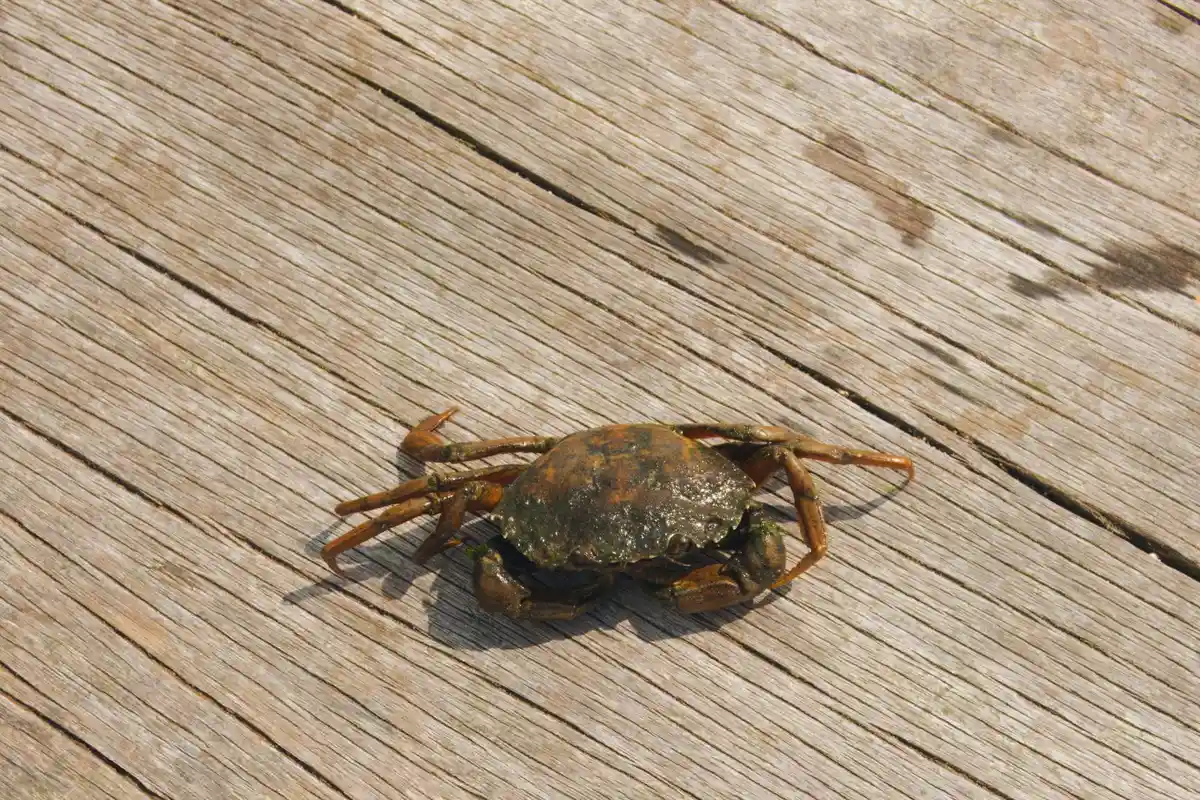
Seeing your crab out in the open is alarming, and your first job is to offer a safe, immediate replacement. I always keep a dedicated “shell hospital” container with pre-boiled and cooled shells ready for this exact scenario. A naked crab is incredibly vulnerable, and providing the right options quickly can make all the difference.
Choosing the Right Shell Size and Shape
Grabbing any shell won’t do; it has to be just right. A shell that’s too large will be impossible for your crab to carry, and one that’s too small won’t offer proper protection. It’s important to choose the right size for your hermit crab.
- Size: Offer 3-5 shells that are roughly the same size as the one they just left, or slightly larger. A good rule is the opening should be about the same size as their large pincher.
- Shape: Crab species have preferences! My Caribbean crabs, Hermes and Zeus, love the round openings of turbo shells, while my Ecuadorian, Apollo, often picks oval-shaped babylon shells. Know your crab’s type.
- Condition: Only offer clean, unpainted, and unchipped shells. I boil new shells in dechlorinated water and let them cool completely to ensure they’re sterile and safe.
Encouraging the Crab to Enter a New Shell
A stressed crab might not think clearly. Understanding their behavior and stress signals helps you properly handle your hermit crab. You need to create a safe and enticing environment to help them make the right choice.
- Gently place your crab and the shell options into a small, temporary container with a shallow amount of lukewarm, dechlorinated water or damp substrate. This limits their movement and keeps them focused on the shells.
- Dim the lights or cover the container with a breathable cloth. Darkness reduces stress and mimics the safety of being buried.
- Leave them completely alone for 15-30 minutes. Peeking too often will only stress them out more and delay the process. I’ve found that my most skittish crab, Athena, will only re-shell when she feels she has total privacy.
Common Causes of Shell Loss in Hermit Crabs
Your crab abandoning its shell is a major symptom of a deeper problem. It is not a normal behavior and always signals that something in their environment or health is critically wrong. Identifying the cause is your top priority to prevent it from happening again. This ties into why hermit crabs change shells. Their evacuation behavior can reveal how they select shells and what environmental factors are affecting them.
Environmental Stressors and Habitat Issues
This is, by far, the most common reason I’ve encountered. Our captive habitats are complex, and even a small imbalance can cause massive stress.
- Improper Shell Availability: Not having enough preferred shells can lead to destructive shell fights. My dominant crab, Zeus, will evict others if he decides he wants their shell, so I always keep a surplus.
- Loud Noises and Vibrations: Placing the tank near a TV, speaker, or busy hallway can be terrifying for them. They feel vibrations intensely.
- Chemical Exposure: Residue from cleaners, perfumes, air fresheners, or painted tank decorations can be toxic. I only use vinegar and water to clean the outside glass of my tank.
Impact of Low Humidity and Dehydration
This cause is so critical it deserves its own spotlight. Hermit crabs have modified gills and they breathe the humid air; low humidity literally suffocates them. Their shells also store water, which they use to keep their abdomens moist. When the humidity drops, that stored water evaporates, and the shell can become an uncomfortable, dry chamber. My crab Poseidon taught me this—he would constantly soak in the water dish until I fixed my humidity levels. Aim for a consistent 70-80% humidity, measured with a digital hygrometer. In the same vein, keep temperatures steady in the ideal range of about 75-85°F (24-29°C). This temperature-humidity balance helps keep shells plump and crabs active.
Health-Related Causes like Injury or Illness
Sometimes, the problem is internal. A sick or injured crab may not have the strength to carry its shell anymore.
- Mites: Tiny pests can infest the shell, biting the crab’s soft abdomen and making the shell unbearable to occupy.
- Physical Injury: A fall can damage a leg or pincher, making the shell too heavy to carry. Check your crab gently for any visible wounds.
- Surface Molting: A failed or interrupted molt is a dire emergency. A crab caught mid-molt is extremely soft and vulnerable, and will have no shell. This requires immediate isolation in a dark, quiet environment with easy access to food and water.
When to Seek Veterinary or Expert Help
Identifying Signs That Need Immediate Attention
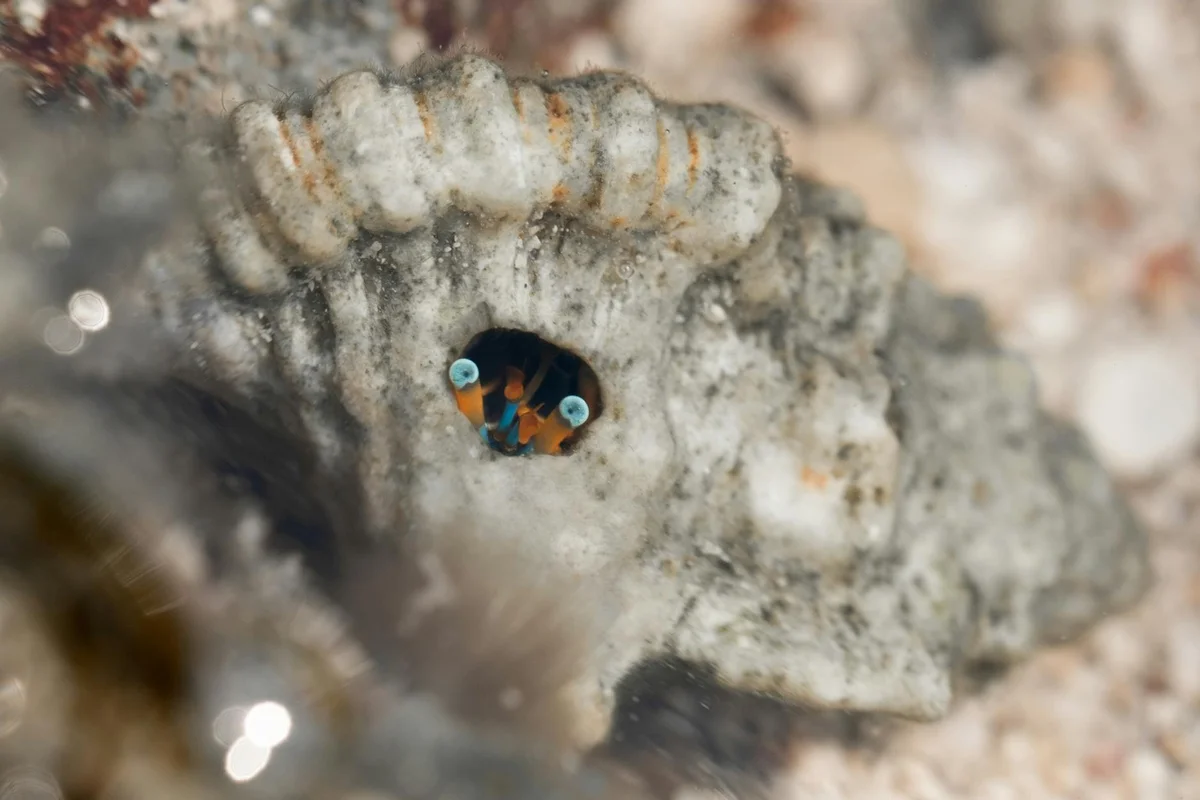
While many shell issues can be resolved at home, some situations are true emergencies. You are your crab’s first and most important advocate, and knowing when to escalate care can save its life. From my years of caring for my crew, I’ve learned that prolonged nakedness is a massive red flag.
If your crab has been out of its shell for more than 24-48 hours, its delicate abdomen is dangerously exposed. It will rapidly lose moisture, and its internal organs are at high risk for damage. This is a critical situation.
- Visible Injury or Bleeding: Any sign of physical damage, like a cracked exoskeleton or a visible leak of clear or milky fluid, requires an expert’s eye immediately.
- Lethargy and Lack of Movement: A naked crab that is not trying to re-shell or hide, but instead lies still and unresponsive, is in grave danger.
- Strong, Unpleasant Odor: A foul smell emanating from your crab is often one of the only signs of a fatal bacterial or fungal infection.
- Presence of Pests: If you see tiny mites on its soft body, this is a severe stressor and health risk that needs professional-grade treatment.
Finding a vet who treats hermit crabs can be challenging, but I’ve had to do it. Your best resource is often a community of experienced crab keepers online who can offer immediate guidance while you locate a professional. Do not hesitate to reach out for help. To help you monitor your crab’s health, start a simple log to document and track changes in appetite, shedding, activity, and shell condition. This health record can be shared with your vet to aid diagnosis and treatment decisions.
Preventing Future Shell Emergencies
Optimizing Enclosure Conditions
Prevention is always better than emergency care. Most shell abandonments are a direct result of subpar habitat conditions. Creating a stable, crab-friendly environment is the single most effective thing you can do to keep your crabs safely in their shells. I check my tanks daily to ensure everything is just right for Hermes, Apollo, and the others. Smart colony management—ample space, plenty of shells, and secure hiding spots—prevents fights and lowers stress. When the group feels secure, conflicts are rarer and overall health improves.
Focus on these three core areas:
- Humidity (75-85%): Crabs breathe through modified gills and need humid air. Low humidity makes it difficult to breathe and leads to fatal dehydration. Use a digital hygrometer, not analog, for accuracy.
- Temperature (75-85°F): As tropical creatures, they cannot regulate their own body temperature. A consistent heat source, like an under-tank heater on the side of the tank, is non-negotiable.
- Safe, Deep Substrate: Your crabs need a mix of play sand and coconut fiber that is at least 3 times as deep as your largest crab. This allows them to safely burrow and molt, which is essential for their growth and shell-changing cycle.
Ensuring Adequate Shell Supply and Nutrition
Sometimes, the problem is as simple as a bad real estate market. A crab will never feel secure if it doesn’t have a perfect-fit shell to call home. My crab Apollo is a shell connoisseur and will try on every new option I provide.
Your shell shoppping list should include:
- 3-5 extra, empty shells per crab.
- Shells of various sizes, both slightly larger and similar to what they currently wear.
- Different shell types and shapes-like turbo, oyster drill, and babylonia-to suit different crab preferences.
- All shells must be thoroughly boiled and cooled in dechlorinated water before being offered.
Finally, do not overlook diet. A poor diet weakens a crab’s overall health and can directly impact its ability to maintain a strong grip inside its shell. I make sure to always provide a cuttlebone for calcium and offer high-protein foods like dried shrimp and mealworms. Strong crabs are happy, shelled crabs.
Supporting Recovery and Long-Term Health
Monitoring for Complications and Stress
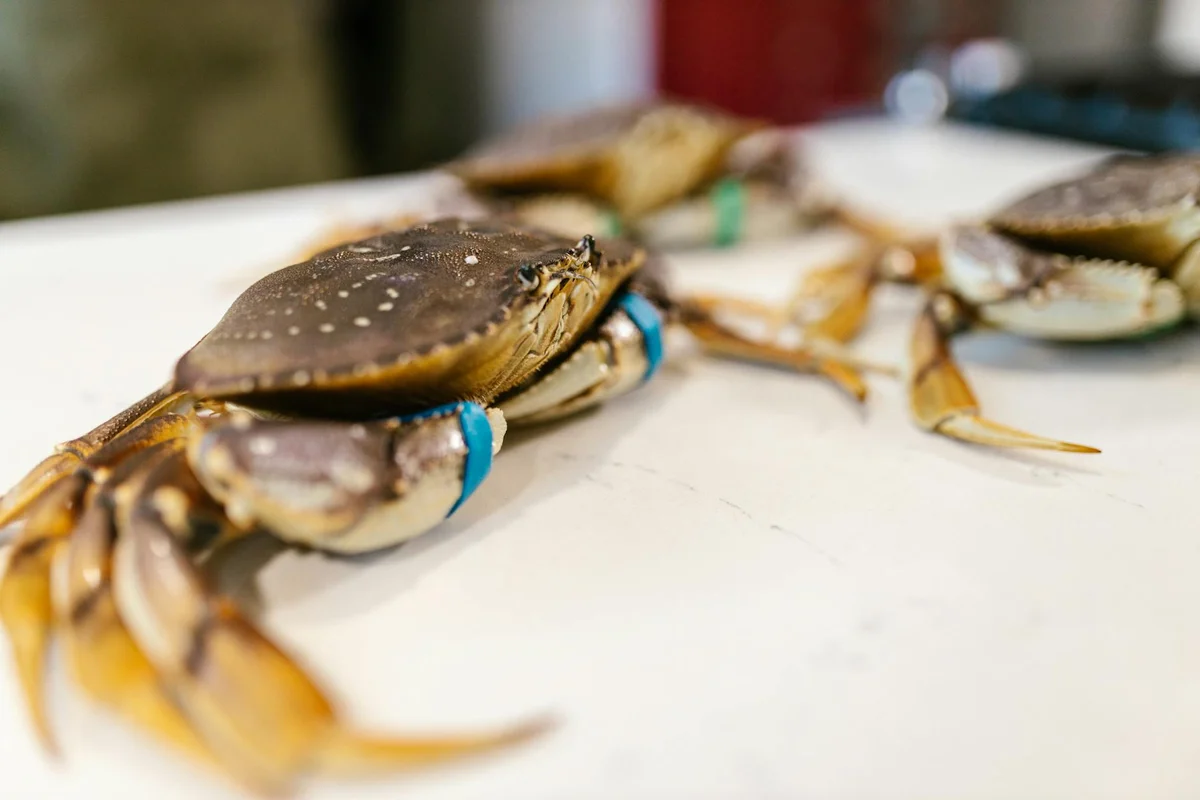
When your crab finally settles into a new shell, your job shifts from emergency responder to vigilant nurse. The first 24-48 hours are absolutely critical for observing their condition and ensuring the stress of the event doesn’t lead to further health issues. I learned this the hard way with Apollo, who seemed fine after a shell change but became lethargic a day later. In your first 30 days of hermit crab care, follow a simple step-by-step routine to monitor recovery. This setup helps you form the habits that keep them healthy long term.
Watch their behavior closely. A recovering crab should start to show interest in its surroundings again.
- Normal Signs: Gentle antennae movements, occasional shifting in the shell, exploring the tank at night, and eventually, eating and drinking.
- Warning Signs: Remaining completely motionless for over a day, a limp body hanging out of the shell, a foul odor, or refusing food for multiple days.
Maintaining a perfect environment is your best tool for healing. Consistent, proper humidity is non-negotiable for their modified gills to function and to prevent a painful, potentially fatal molt. I keep a digital hygrometer in my tank and check it morning and night, especially after a stressful event.
Isolation can be a powerful recovery tool, even in a single-crab tank.
- Move the recovering crab to a small, separate container within the main tank. This gives them a quiet space.
- Provide a shallow dish of both fresh and salt water, and place high-value food like crushed cuttlebone or dried shrimp right near them.
- Limit handling and loud noises near the tank. I drape a light cloth over one side of the tank to create a darker, calmer area for them.
Watch for bullying if you house multiple crabs. In a one-tank setup, their social dynamics—such as shell ownership and space competition—shape daily interactions. Providing multiple shells and plenty of hiding spots helps prevent bullying and makes it easier to manage the group. A crab that has just been through a naked event is incredibly vulnerable and can become a target for more dominant tank mates. My crab Zeus will often try to investigate and bother a recovering crab, which is why I never hesitate to use the isolation method. For more information on managing interactions, check out the hermit crab social dynamics.
Long-term, you must become a detective to figure out the root cause. If a crab repeatedly abandons its shell, it is a screaming red flag that something is fundamentally wrong in your tank setup or with the shell selection you’re offering. Keep a simple log of temperature, humidity, and crab behavior; this record helped me identify a humidity drop I had completely missed.
FAQs
How can I create a stress-free environment for my hermit crab to prevent shell loss?
Maintain stable humidity levels between 75-85% and a temperature of 75-80°F using a digital hygrometer and under-tank heater. Provide deep substrate for burrowing, avoid loud noises, and ensure a surplus of clean, preferred shells to reduce competition and stress.
What are the key differences between emergency care for a shell-less crab and routine care?
Emergency care involves immediate isolation in a dark, humid setup with shell options to encourage re-shelling, while routine care focuses on consistent habitat maintenance. The goal is to address acute stress or injury in emergencies, whereas routine care prevents issues through stable conditions and proper nutrition.
How can I monitor my hermit crab’s health long-term after a shell abandonment incident?
Observe for normal behaviors like active movement, eating, and shell retention, and watch for warning signs such as lethargy or foul odor. This monitoring forms part of a complete pattern-recognition guide on normal vs abnormal hermit crab behaviors. By comparing daily patterns, you can quickly spot deviations and respond accordingly. Keep a log of habitat conditions and crab activity to identify and address any recurring stressors or health issues promptly.
Your Quick Action Plan
When you find your hermit crab out of its shell, your immediate response is everything. Quickly place the crab in a temporary, darkened isolation tank with a shallow dish of dechlorinated water and a wide selection of pre-boiled, appropriate-sized shells. This critical step addresses the core issues of stress, hydration, and protection all at once. Remember, a naked crab is a vulnerable crab, and your calm, fast action gives them the best chance to recover and re-shell safely. It’s also important to know how to recognize stress in hermit crabs and how to mitigate it.
Further Reading & Sources
- Empty shell found, hermit crab missing/dead? » Hermit Crab Paradise
- Hermit Crab Without a Shell | Smithsonian Ocean
- Hermit crab missing, but only found shell – HCA: Hermit Crab Association
The Crab Central is your ultimate resource for hermit crab enthusiasts, providing expert advice and practical tips to ensure the health and happiness of your shelled companions. With years of experience in crustacean care, we are dedicated to offering accurate, up-to-date information to support your hermit crab journey. Our mission is to foster a community of responsible hermit crab owners who are passionate about the well-being of these fascinating creatures.
Common Health Issues