
How to Help a Hermit Crab Change Shells: A Safe Handling and Assistance Guide
Published on: September 18, 2026 | Last Updated: September 18, 2026
Written By: The Crab Guru
Watching your hermit crab struggle to find a new shell can make any owner feel a bit helpless.
With five crabs of my own, like curious Hermes and calm Athena, I have guided many safe shell changes using gentle, proven methods.
Offer a variety of empty, clean shells slightly larger than their current one to spark their natural interest.
I will cover how to spot when your crab needs help, the safest way to handle them, and how to set up their habitat for a successful switch.
Recognizing the Signs Your Hermit Crab Needs a New Shell
One of the most rewarding parts of caring for hermit crabs is learning to read their unique body language. I’ve learned that a crab investigating empty shells with intense focus is a sure sign a change is imminent. My crab, Apollo, will spend hours tapping and sizing up new homes before making his move. Understanding their body language helps anticipate such moments.
Key Differences Between Shell Change and Molting
It’s easy to confuse these two processes, but they are very different. Knowing which is which prevents unnecessary stress and potential harm.
- Shell Change: This is a quick, conscious move. Your crab is active, walking around, and will physically back into a new shell. It can happen in minutes.
- Molting: This is a long, vulnerable process where your crab sheds its exoskeleton to grow. They will dig underground and disappear for weeks or months. They are not active on the surface.
A crab changing shells is a tenant moving apartments; a crab molting is undergoing major construction and needs complete privacy. Never disturb a crab you suspect is molting.
Common Stress and Health Signals
Sometimes, a crab needs a new shell due to poor health or stress, not just growth. Watch for these red flags.
- Naked Crab: A crab out of its shell is in a state of extreme distress. This is an emergency situation requiring immediate, gentle intervention.
- Shell Fighting: If you see one crab, like my Zeus, aggressively evicting another from its shell, you need more and better shell options immediately.
- Lethargy or Hiding: A crab that stays withdrawn for unusually long periods might be unhappy with its current shell’s size, weight, or shape.
- Visible Damage: A cracked or chipped shell offers poor protection and needs to be replaced.
From my experience with Athena, a calm crab who suddenly becomes reclusive is often communicating discomfort with its current home.
Preparing the Habitat for a Successful Shell Change
Creating the right environment is the single most important thing you can do to encourage a safe and natural shell swap. A stressed crab in a poor habitat will resist changing, even if it desperately needs to.
Optimizing Aquarium Conditions
Think of this as setting the mood for a big, important decision. Your crab needs to feel secure and comfortable.
- Maintain High Humidity (75-85%): Proper humidity keeps their gills moist and makes the move easier. I use a glass lid on my tank to trap moisture.
- Provide Both Fresh and Saltwater Pools: These are essential for hydration and shell mineral intake. Ensure they are deep enough for your largest crab to submerge in but have a safe way to climb out.
- Ensure Stable, Warm Temperatures (75-80°F): Fluctuating temperatures cause stress. A reliable under-tank heater works best.
- Minimize Noise and Vibration: Keep the tank in a calm area. Loud sounds can startle a crab mid-change, causing it to abort the process.
A calm, humid, and warm habitat signals to your crab that it’s a safe time to explore new real estate.
Selecting and Preparing Shell Options
Offering a good variety is like presenting a curated menu of new homes. You can’t just offer one or two and hope for the best.
- Choose the Right Type: Turbo shells are almost universally loved. Provide a mix of round and D-shaped openings to cater to different species’ preferences.
- Offer a Range of Sizes: The new shell opening should be about the same size as your crab’s large pincher. Provide shells slightly smaller, the same size, and slightly larger.
- Boil New Shells: Always boil new, store-bought shells for 10-15 minutes and let them cool completely. This sterilizes them and removes any chemical residues.
- Arrange Thoughtfully: Scatter the clean, cool shells near the main activity and feeding areas. I often find my crabs, like Poseidon, will inspect them after a good soak in the saltwater pool.
A well-prepared shell selection removes all the barriers to a successful and stress-free move for your pet.
Safe Handling Techniques to Minimize Stress
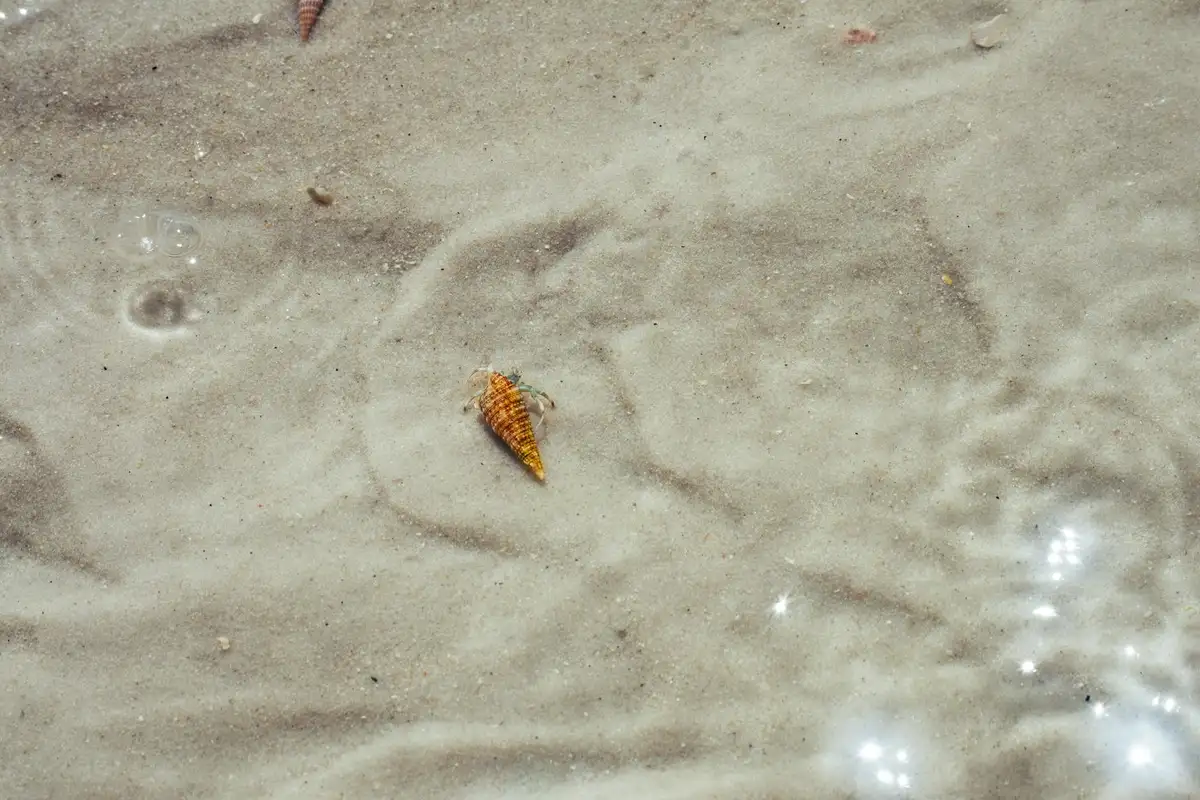
Picking up your crab the wrong way is one of the fastest ways to cause panic and make shell changing impossible. Your primary goal during any handling session is to make your crab feel secure, not trapped. I learned this the hard way with my first crab, Hermes, who would immediately retreat deep into his shell at the slightest mishandling.
Proper Ways to Hold and Support Your Crab
Never pick up a hermit crab by its shell. This can cause its body to detach inside the shell, a fatal injury. Instead, use the gentle scoop method, especially when transporting your hermit crab.
- Place your flat hand, palm up, directly in front of your crab.
- Use your other hand to gently encourage the crab to step onto your flat palm from behind.
- Let it walk onto you. This gives the crab a sense of control.
- Keep your hand low over a soft surface, like your lap or the tank substrate, in case of a fall.
- Hold your crab securely but loosely, allowing it to move its legs. A relaxed crab will partially extend its body from the shell to explore its surroundings.
Creating a Calm Assistance Environment
Your crab needs to feel safe before it will even consider changing shells in your presence. I always prepare a “shell change station” in a quiet room with dim lighting.
- Turn off loud music or televisions.
- Ensure the room is warm, around 75-85°F, to prevent your crab from getting chilled.
- Work over a large, clean towel to cushion any falls and contain the process.
- Move slowly and deliberately. Sudden movements will send your crab into a defensive tuck.
- Speak in a soft, calm voice. I find my crab Apollo responds well to this.
Step-by-Step Guide to Encouraging Shell Change
Forcing a crab into a new shell is never the answer. Our role is to set the stage and provide gentle encouragement. A successful shell change is always the crab’s own decision. Understanding why hermit crabs change shells helps explain shell selection and evacuation behavior. This change often reflects growth, protection needs, and how well a shell fits.
Initial Observation and Readiness Check
Before you even attempt to assist, you must confirm your crab is actually ready for a new home. My crab Zeus will often inspect shells for days before making a move.
- Look for a crab spending excessive time examining or sitting in empty shells.
- Notice if its current shell looks too small, with too much of its big claw or body exposed.
- Check for any damage to its existing shell, like cracks or holes.
- Observe its behavior. A crab that is active and curious is a better candidate than one that is buried or hiding.
- Never attempt to assist a crab that is molting or has recently molted. Their bodies are far too soft and vulnerable.
Gentle Methods to Prompt Shell Switching
If your crab seems ready but just needs a little nudge, these methods have worked for my colony.
- Create a shallow bath of lukewarm, dechlorinated salt water. Holding your crab just above this water can sometimes encourage it to exit its shell for a swim, making a switch easier.
- Arrange 3-5 properly sized, sterilized shells in a small circle around your crab while it is on your towel station.
- Allow your crab to explore the options at its own pace. This can take several minutes. Patience is everything.
- If the crab seems interested in a particular shell, you can gently hold its current shell steady while it investigates the new one with its claws and legs.
The moment you feel any resistance from your crab, stop immediately and return it to its habitat. You can always try another day. The trust between you and your pet is more important than a single successful shell change.
Troubleshooting Common Shell Change Issues
Resolving Shell Fights and Aggression
I’ve seen my fair share of shell disputes, especially with my assertive crab, Zeus. Shell fights are not about malice; they are a natural, high-stakes competition for a crab’s most vital piece of real estate. You must learn to distinguish between normal shell investigation and aggressive behavior.
True aggression looks like one crab relentlessly pulling, shaking, or dragging another. If you see this, you need to act.
- Gently Separate Them: Use a clean spoon to create a barrier or coax the aggressor away. Never pull crabs apart by their shells, as this can cause severe injury.
- Provide Identical Shells: The best solution is prevention. If two crabs are fighting over one specific shell type, immediately add several more of that exact same style and size to the tank.
- Isolate if Necessary: For a persistently aggressive crab like Zeus, a temporary 10-minute “time-out” in a separate container with a shallow spray of dechlorinated water can reset their mood.
Handling Stuck or Reluctant Crabs
Watching a crab struggle to change shells can be nerve-wracking. My crab, Athena, once spent nearly two days halfway in and out of a new shell before finally committing. Patience is your most powerful tool; a slow, deliberate process is far safer than a forced one. If you’re wondering whether your crab is stressed, there are clear signs to watch for. Knowing what to do next can help you support it through the process.
If a crab seems truly stuck or refuses to leave a damaged shell, follow these steps.
- Check the Environment: Ensure your humidity is between 70-80%. Low humidity can make it physically difficult for a crab to exit its shell without risking desiccation.
- Offer a Shell “Spa”: Create a separate small container with warm, dechlorinated salt water that is just deep enough to cover the bottom of the shells. The moisture can help relax the crab and ease the transition.
- The Last Resort Lift: Only if the crab is in clear distress and you can see its large claw, you may attempt to very gently hold its current shell and place it directly in front of a more suitable, empty one. The goal is to encourage a natural walk-in, not a pull-out.
Aftercare and Prevention for Healthy Shell Changes
Monitoring Shell Adaptation and Health
The moment a crab successfully changes shells is just the beginning. Your careful observation in the 24-48 hours following a shell swap is critical for spotting any post-change stress or complications. Being aware of common shell problems and fixes can help you intervene quickly. Common issues like cracks, poor fit, or humidity-related problems have straightforward remedies.
Watch for these key signs of a healthy adaptation.
- Proper Fit: The crab should not be hanging excessively out of the shell, nor should it be so deep inside that you can barely see it.
- Normal Movement: It should be able to walk and climb without the shell dragging or seeming overly heavy.
- Re-emergence: After a period of hiding to adjust, the crab should start behaving normally-exploring, eating, and drinking.
If you notice a crab has chosen a new shell but is now lethargic or not using its limbs properly, it may be a sign of injury during the change, and the habitat conditions need to be checked immediately.
Building a Shell-Ready Care Routine
Preventing shell-change problems is far easier than solving them. A proactive shell-ready routine transforms your tank from a simple enclosure into a crab-friendly community that supports their natural behaviors. I do this for my crew every single week.
Your weekly maintenance should include these non-negotiable tasks.
- Shell Inventory Check: Sort through your shell shop. Remove any with cracks, holes, or heavy biofilm. Ensure you have at least 3-5 extra shells per crab of varying sizes and types.
- Shell Boiling: Every new or used shell you introduce must be boiled in dechlorinated water for a full 10 minutes and cooled completely. This sterilizes them and makes them more appealing.
- Strategic Placement: Don’t just dump shells in a corner. Scatter them near food dishes, in moist hides, and on climbing structures. This encourages natural discovery.
I’ve found that my Ecuadorian crab, Apollo, is particularly drawn to shells I place near his favorite basking spot. Scientists note that hermit crabs select shells based on size, weight, aperture, and protection, driven by predation risk and moisture retention. This science helps explain why particular shells become favorites and why placing shells near preferred spots can keep behavior calm and natural. Integrating shell availability into their daily paths makes changing shells a seamless, stress-free part of their life.
FAQs
How often do hermit crabs typically change shells?
Hermit crabs change shells based on growth, shell condition, and availability, with no fixed schedule. Expect changes every few months to a year, depending on individual needs and habitat factors. When they switch, it’s usually a complete shell change: they select a larger, well-fitting shell and move out of the old one. The old shell is often kept briefly as a backup shelter during the transition.
What immediate steps should I take if I find my hermit crab without a shell?
Quickly isolate the crab in a small, humid container with multiple clean shell options to prevent stress and injury. Ensure the environment is warm and quiet to encourage it to re-shell naturally without interference. If your hermit crab is not in a shell or you suspect a shell emergency, this quick containment serves as an immediate first-aid step. Also start checking for common causes like low humidity, incorrect temperature, or shell loss so you can address the underlying issue.
Are there any shell types I should avoid offering to my hermit crab?
Avoid painted, glossy, or metal-decorated shells, as they can contain toxic chemicals harmful to your crab. Also, steer clear of shells with sharp edges or overly narrow openings that could cause physical harm or discomfort. Are painted shells safe for hermit crabs? Understanding the risks can help you choose safer, natural shell alternatives.
A Final Word on Shell Changes
Helping your hermit crab find a new home is about providing options, not forcing a choice. The very best thing you can do is create a safe, stress-free environment stocked with perfect shells and let nature take its course. Your role is that of a supportive observer, ready to assist only if a clear, dangerous problem arises, trusting that your crab knows its own needs best. To create a hermit crab friendly environment at home, prioritize safe substrate, stable humidity, and accessible shells. These thoughtful details let your crab explore and settle in at its own pace.
Further Reading & Sources
- 3 Ways to Help a Hermit Crab Change Shells – wikiHow
- Hermit crabs line up biggest to smallest to exchange shells, and it’s mind-blowing to watch – Upworthy
- Crab keeps changing between the same two shells – HCA: Hermit Crab Association
The Crab Central is your ultimate resource for hermit crab enthusiasts, providing expert advice and practical tips to ensure the health and happiness of your shelled companions. With years of experience in crustacean care, we are dedicated to offering accurate, up-to-date information to support your hermit crab journey. Our mission is to foster a community of responsible hermit crab owners who are passionate about the well-being of these fascinating creatures.
Care Requirements by Species