
How to Choose the Right Hermit Crab Species for Your Experience Level
Published on: July 25, 2026 | Last Updated: July 25, 2026
Written By: The Crab Guru
Picking your first hermit crab or adding to your crew can feel overwhelming with so many species to consider.
I’ve cared for a lively bunch of my own, from fast-moving Caribbean crabs to calm Strawberry hermits, and I’ll help you navigate this choice with real-world advice.
Matching a crab’s personality and care needs to your own comfort level is the secret to a happy, healthy pet.
We’ll break down the common species by their temperament and care difficulty, highlight which are best for beginners versus experts, and give you a clear path to your perfect match.
Understanding the Spectrum of Hermit Crab Species
Common Pet Hermit Crab Types and Their General Traits
Brief Overview of Popular Species Like Caribbean and Ecuadorian
Walking into the world of hermit crabs feels like opening a colorful storybook, with each species having its own personality and care story. I’ve shared my home with several, and their differences are fascinating.
The most common species you will find are the Caribbean (also called Purple Pincher) and the Ecuadorian (often called the Eccie). These two have very different energies and needs, which is the first big choice a new owner faces.
- Caribbean Hermit Crab (Coenobita clypeatus): This is the classic, round-shelled crab you often see in pet stores. They are known for their large purple claw and are generally more terrestrial. My crab Hermes is a perfect example-always on the move and incredibly curious about his surroundings.
- Ecuadorian Hermit Crab (Coenobita compressus): These are the smaller, more athletic crabs with elongated, often lighter-colored bodies. They are speedy, excellent climbers, and can be more social with their own kind. My crab Apollo is an Eccie who spends hours rearranging his shell collection.
- Other Species: You might also encounter the Australian Hermit Crab, which is quite large, or the vibrant Strawberry Hermit Crab, like my calm Athena. These species often have more specialized humidity and temperature requirements.
Beginner-Friendly Hermit Crab Species
Top Picks for New Owners and Why They Excel
If you are just starting your crab-keeping journey, your best bet is to begin with a species that is forgiving and readily available. Based on my years of experience, the Caribbean Hermit Crab is, without a doubt, the most beginner-friendly species you can choose. Their hardiness is legendary in the hobby. To pick something your whole family can enjoy, look for calm behavior and easy care. The Caribbean Hermit Crab fits that profile, making it a solid family-friendly choice.
Key Reasons for Their Suitability, Such as Hardiness and Adaptability
- Resilient to Fluctuations: Caribbeans can tolerate minor mistakes in temperature or humidity better than other species. This is a huge relief for a new owner who is still learning the ropes.
- Less Demanding Humidity: While all crabs need high humidity, Caribbeans thrive in a range that is slightly easier to maintain consistently (around 70-80%) compared to the near-constant 80%+ that Ecuadorians often demand.
- Readily Available: They are the most common pet trade species, making them easy to find and learn about. A vast community of owners means help is always available if you have questions.
- Calmer Demeanor: Generally, Caribbeans like Hermes and Poseidon are less frantic and easier to observe than the lightning-fast Ecuadorians. This makes for a less stressful introduction to crab behavior.
Essential Care Requirements for Starter Species
Choosing a Caribbean crab is the first step. Next, you need to get their home right. A proper setup prevents most common health issues and lets your crab thrive.
Simple Habitat Setup, Diet, and Handling Tips
Your habitat setup is the single most important factor in your hermit crab’s long-term health and happiness. A ten-gallon glass tank is a great starting size for a couple of small crabs. For the best tank size for your hermit crab, check out our complete sizing guide.
- Substrate: Use a mix of play sand and coconut fiber, deep enough for your largest crab to bury itself completely. This is non-negotiable for molting.
- Heat & Humidity: Place a reptile heat mat on the back of the tank, above the substrate line. Use a sealed lid and daily misting with dechlorinated water to maintain humidity. A digital hygrometer is your best friend here.
- Shells & Decor: Provide several natural turbo-style shells slightly larger than their current one. Add cholla wood and safe rocks for climbing and hiding.
For diet, offer a variety. I always keep a high-quality commercial crab food as a base, but the real joy is in supplementing with fresh, safe human foods. Mine go wild for bits of eggshell, unsalted nuts, and fresh fruit like mango.
- Always provide a shallow dish of fresh water and a separate dish of saltwater made with marine aquarium salt.
- Avoid painted shells and any metal objects inside the tank, as these can be toxic.
On handling, be gentle and infrequent. Let your crab initiate contact by walking onto your hand, and always handle them low over a soft surface. They are pets we observe and provide for, not cuddle. This respectful approach builds a trusting relationship over time. Also, learn to read your crab’s stress signals—if it backs into its shell or moves quickly, it’s stressed. In those moments, minimize handling and give it space to settle.
Intermediate Hermit Crab Species
Species for Keepers with Some Hands-On Experience
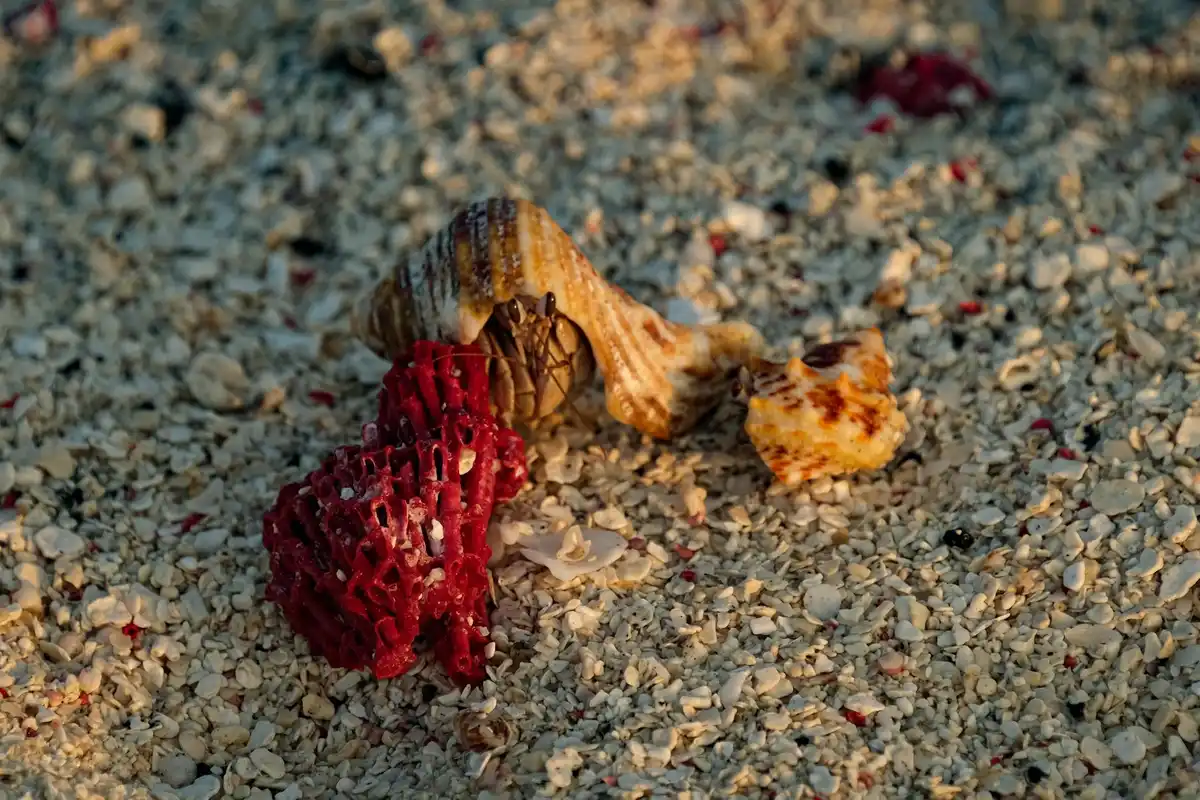
Once you’ve mastered the basics of humidity and temperature, you might feel ready for a species with more personality. My Ecuadorian hermit crab, Apollo, was my first step into this category, and his active nature taught me so much about their complex needs. These crabs are fantastic for intermediate keepers because they are often visible and display fascinating behaviors like climbing and chirping.
Behavioral Traits and Moderate Care Demands
Intermediate species require you to be more observant and proactive. Their care is not just about survival, but about providing a stimulating environment where they can truly thrive.
- Higher Activity Levels: They are often more adventurous, requiring a secure and enriching habitat to prevent boredom and escape attempts.
- Social Dynamics: You may notice more complex interactions, like gentle shell swapping or establishing small hierarchies.
- Dietary Variety: A basic pellet diet won’t suffice. I quickly learned Apollo needed fresh fruits, proteins like shrimp, and cuttlebone for calcium.
Stepping Up Your Care with Intermediate Needs
Moving to this level means your care routine becomes more detailed. You are no longer just maintaining an environment; you are actively managing a miniature ecosystem.
Focus on Habitat Complexity and Molting Support
This is where your setup needs a significant upgrade. A simple tank with a dish of water is not enough for these curious creatures.
- Deep Substrate: Provide a sand and coconut fiber mix at least 6 inches deep, or three times the height of your largest crab. This is non-negotiable for safe molting.
- Molting Isolation: Be prepared for them to disappear for weeks. Disturbing a molting crab is incredibly dangerous, so you must learn to trust the process and leave them be.
- Environmental Enrichment: Add cholla wood, cork bark, and safe climbing structures. I’ve watched Apollo spend hours navigating a new branch setup.
- Water Sources: You must provide both fresh and saltwater pools deep enough for them to fully submerge their shells.
Advanced Hermit Crab Species
Challenging Species for Dedicated Experts
These species are for keepers who live and breathe hermit crab care. My Strawberry hermit crab, Athena, is a perfect example of a species that demands near-perfect conditions to prosper. They are stunningly beautiful, but that beauty comes with a very strict set of requirements.
Specific Environmental and Dietary Nuances
Advanced species often have needs that are incredibly specific and unforgiving. A small mistake can have serious consequences for their health.
- Extreme Humidity Sensitivity: Species like Strawberries need consistently high humidity (80%+) but with excellent ventilation to prevent stagnant air and mold.
- Specialized Diets: They may require specific types of nuts, seeds, or tropical flowers you won’t find at a regular pet store.
- Temperature Precision: Their thermal gradient must be meticulously maintained, often within a very narrow range.
Intensive Care and Maintenance for Advanced Keepers
Caring for an advanced species is a daily commitment to observation and adjustment. It is a deeply rewarding challenge that tests all your knowledge and skills.
Managing Aggression, Specialized Shells, and Health Monitoring
At this level, you are essentially a zookeeper for a delicate and complex animal. You need to anticipate problems before they arise.
- Shell Wars: Advanced species can be very particular about their shells. You must provide a vast and varied collection of high-quality, species-appropriate turbo shells to prevent destructive fighting.
- Behavioral Monitoring: Watch for signs of stress or aggression constantly. My crab Zeus can be assertive, so I must ensure there are multiple food and hide spots to reduce conflict.
- Proactive Health Checks: You learn to recognize the slightest changes in behavior, appetite, or shell condition that signal an underlying health issue.
- Breeding Considerations: Some advanced keepers attempt breeding, which requires an entirely separate, specialized setup and immense dedication.
Key Factors to Weigh When Choosing Your Species
Assessing Your Habitat Setup and Resources
Before you even look at a crab, you need to take a hard look at your setup. Your tank is their entire world, and getting its foundation right is non-negotiable for their health. I learned this the hard way when I first started and had to completely overhaul my tank after realizing it was stressing my crabs. A poor environment will lead to health issues, no matter which species you choose. To finish the foundation, choose safe, stimulating decor for your hermit crab tank decor—non-toxic, textured surfaces and hiding spots that invite exploration. These enrichment choices support natural behaviors and reduce stress, helping crabs thrive.
Checklist for Tank Size, Humidity, Temperature, and Substrate
Use this quick checklist to audit your current or planned setup. Be brutally honest with your answers.
- Tank Size: A 10-gallon tank is an absolute minimum for one small crab. For most species, you should start with a 20-gallon long tank for a small group. My larger crabs, like Zeus, truly thrive with more floor space to roam and claim.
- Humidity: This is a big one. You need two hygrometers (humidity gauges) placed at opposite ends of the tank. Most species require 70-80% humidity at all times to breathe properly. Without it, their modified gills dry out, which is a death sentence.
- Temperature: A consistent temperature gradient is vital. One side of the tank should have a heat source (like an under-tank heater on the side) maintaining 75-85°F, while the other side can be slightly cooler. This lets them self-regulate, just like my crab Apollo who loves baking under the lamp.
- Substrate: This is their digging, molting, and playing ground. The substrate must be deep enough for your largest crab to bury itself completely-at least 6 inches or 3 times its height. A mix of play sand and coconut fiber holds tunnels best, which is crucial for a safe molt.
Evaluating Diet, Shell Selection, and Social Dynamics
Once your habitat is solid, you need to think about the daily and weekly care that different species demand. Their individual quirks will directly shape your routine.
How Species-Specific Needs Impact Your Daily Routine
- Diet: While all hermit crabs need a varied diet of proteins, fruits, vegetables, and calcium, some are pickier. My Strawberry, Athena, is much more selective than my Caribbeans, who will eat almost anything. Be prepared to offer a wider variety and observe preferences.
- Shell Selection: This is a massive factor for their well-being. Ecuadorian hermit crabs, like Apollo, have very round, smooth shell openings and need a specific shape. Caribbean species need D-shaped openings. You must research and provide plenty of the correct, uncontaminated shell types, or you will witness shell fights and stress.
- Social Dynamics: Hermit crabs are social but have hierarchies. A more dominant crab, like my Zeus, can intimidate shyer ones. I manage this by having multiple food and water dishes spread out and plenty of hiding spots. More assertive species may not be the best choice for a peaceful, mixed-species tank.
Making Your Final Decision: A Step-by-Step Guide
Matching Your Experience Level to Species Care Demands
Be realistic about the time, effort, and consistency you can offer. Your honesty here is the kindest thing you can do for your future pet.
- For Beginners: Start with a Caribbean Hermit Crab (like Hermes or Poseidon). They are often hardier, more readily available, and their care requirements are the standard most guides are based on. This lets you master the basics of humidity and temperature control.
- For Intermediate Keepers: If you’ve successfully kept Caribbeans for a year and have a stable tank, consider an Ecuadorian. They are beautiful but can be more sensitive to humidity fluctuations and are notorious escape artists. You need a very secure lid.
- For Experienced Enthusiasts: Species like the Strawberry Hermit Crab (like my Athena) are for those with proven, long-term success. They often have more specific shell and dietary needs and can be less tolerant of parameter swings. I would not recommend a Strawberry as anyone’s first crab.
Practical Steps to Gauge Readiness and Avoid Common Pitfalls
- Research Extensively: Don’t just read one care sheet. Read forums, watch videos, and understand the common problems for your chosen species.
- Set Up Your Tank in Advance: Set your tank up and let it run for at least a week before buying any crab. This ensures you can stabilize temperature and humidity in an empty tank, which is far easier.
- Find a Reputable Source: Avoid impulse buys from beach shops or mall kiosks. Seek out reputable breeders or adopt from rescue groups. These crabs are often healthier and better acclimated.
- Budget for the Long Term: The initial cost is just the start. Factor in the price of extra shells, high-quality food, and backup heating elements. Proper care is a financial commitment.
Research and Responsible Ownership Practices
Getting a hermit crab should never be an impulse decision. Thorough research is the single most important step you can take to ensure you provide a good home. I spent months reading forums and care sheets before bringing home my first crab, Hermes, and that preparation made all the difference. That research should also cover a beginner-friendly setup, ongoing maintenance, and the daily care requirements a hermit crab needs. With those basics in place, you’ll be better prepared for a healthy, thriving crab.
Ethical Sourcing and Long-Term Commitment Considerations
Where you get your crabs matters immensely for their health and for the welfare of the species. Most hermit crabs in pet stores are wild-caught, a stressful process that impacts natural populations. That choice—pet store vs breeder—directly affects your crab’s health. Choose breeders who raise crabs in captivity and offer clear care guidance.
- Seek out adoptions or rescues. My crab Apollo was a rehome, and he settled in beautifully.
- Ask pet stores about their sourcing; support those who can provide information on captive-bred suppliers.
- Prepare the habitat completely before bringing any crab home. A proper tank is not an optional upgrade.
You must also understand the long-term commitment. With proper care, many hermit crab species can live for a decade or more, not just a few months. My oldest, Zeus, is five years old and shows no signs of slowing down. They require daily care, a varied diet, and a stable environment for their entire lives.
Guidance on Ongoing Learning and Animal Welfare Advocacy
Your learning does not stop once the tank is set up. Becoming an advocate starts with observing your own pets and continuously improving their world. I learn something new from watching my crabs’ behaviors every single week.
- Join reputable online communities and local groups to share experiences and get support.
- Keep a simple journal of your crabs’ activities, molting cycles, and food preferences.
- Gently educate others. When friends admire my setup, I explain why a deep substrate and saltwater pool are non-negotiable.
Your role as an owner is to be a dedicated student of their needs. The most rewarding part of this hobby is seeing your crabs thrive because of the effort you put into understanding them. It is a continuous, fulfilling journey of learning and advocacy.
FAQs
Can different hermit crab species be housed together in the same tank?
It is generally not recommended due to varying care needs and potential aggression, as species like Caribbeans and Ecuadorians have different humidity and social requirements. Always research compatibility and provide ample space and resources to minimize stress if attempting cohabitation.
What is the average lifespan of a pet hermit crab with proper care?
With ideal conditions, many species can live for a decade or more, making them a long-term commitment. Consistent attention to diet, habitat, and health monitoring is essential for maximizing their lifespan.
How can I tell if my hermit crab is healthy and thriving?
Look for active behavior, consistent eating, and a well-maintained shell, as these indicate good health. Regularly check for signs like clear eyes, intact limbs, and normal molting cycles to catch any issues early.
Your Perfect Hermit Crab Awaits
Choosing your new pet ultimately comes down to matching a species’ needs and temperament with your ability to provide for them. By starting with a hardy, beginner-friendly species like the Caribbean, you set the stage for a rewarding, long-term relationship built on successful care. We always advocate for prioritizing the animal’s welfare over our own fleeting desires, so take your time, do your research, and get ready to welcome a fascinating new friend into your home.
Further Reading & Sources
- Identifying 6 Common Pet Hermit Crab Species – PetHelpful
- Choosing a Hermit Crab
- Care Sheet: Basic Hermit Crab Care for All Species – HCA: Hermit Crab Association
The Crab Central is your ultimate resource for hermit crab enthusiasts, providing expert advice and practical tips to ensure the health and happiness of your shelled companions. With years of experience in crustacean care, we are dedicated to offering accurate, up-to-date information to support your hermit crab journey. Our mission is to foster a community of responsible hermit crab owners who are passionate about the well-being of these fascinating creatures.
Care Requirements by Species