What Animals Can Live With Hermit Crabs? A Compatibility Guide
Published on: August 9, 2026 | Last Updated: August 9, 2026
Written By: The Crab Guru
Finding safe and stress-free tank mates for your hermit crabs is a common challenge for owners who want to create a vibrant habitat.
After years of caring for my own colony of five hermit crabs, I’ve learned which cohabitations work through careful observation and a focus on animal welfare.
The most critical rule is to always prioritize the safety and natural behavior of your hermit crabs over any desire for a diverse tank.
This guide will cover safe species like marine snails, the real risks of housing with fish or reptiles, and how to properly set up a shared habitat for success.
Understanding Hermit Crab Social Needs and Tank Mate Compatibility
Hermit crabs are not solitary creatures by nature. In the wild, they live in large colonies, and this social instinct carries over into captivity. My crab, Hermes, is far more active and confident when he’s climbing near Apollo or Athena than when he’s off by himself. They communicate, often pile together, and even line up for shell swaps. These behaviors raise questions about their social needs: do hermit crabs form social bonds, or is their interaction purely instinct? Are they capable of social understanding, or do they bond only for practical reasons?
From my own tank observations, their personalities dictate the group dynamic. My Caribbean crabs, Hermes and Poseidon, are a busy, fast-moving duo that often explore together. Apollo, my Ecuadorian, is more of a laid-back sunbather, while Zeus can be a bit of a food bully. Watching their unique behaviors has taught me that a group can work, but you must be a diligent observer of their individual temperaments.
Before considering any other species, you need to get the hermit crab group dynamic right. Here are the key factors for a harmonious crab habitat. Whether you’re housing land or marine hermit crabs, the setup should balance space, moisture (and, for marine crabs, salinity) and shell availability. This difference in needs helps tailor a perfect habitat for each type.
- Temperament: Avoid mixing very timid species with highly assertive ones. My strawberry crab, Athena, needs her quiet space away from Zeus’s dominant energy.
- Size: Crabs of vastly different sizes can lead to intimidation or worse, one crab seeing a smaller one as a snack. Always aim for similarly sized individuals.
- Activity Level: Pairing nocturnal and diurnal species can cause stress. My crabs are all most active at night, which keeps their world peaceful during the day.
Compatible Marine and Saltwater Tank Mates for Hermit Crabs
Safe Invertebrate Companions for Marine Setups
For a dedicated marine or brackish water setup, several peaceful invertebrates can make good neighbors. Nassarius and Cerith snails are excellent choices as they help clean up leftover food and detritus without bothering your crabs. Small, non-aggressive shrimp like the Sexy Shrimp or Peppermint Shrimp can also coexist, adding a beautiful dash of color and movement.
Marine environments require precise water parameters. You must maintain a specific gravity of 1.023-1.025, a stable pH of 8.1-8.4, and near-zero ammonia and nitrites. This is a more advanced setup than a standard terrestrial crabitat and demands consistent monitoring.
When introducing any new mate, I always use an acclimation box. This lets the crabs and the new animal see and get used to each other without physical contact, drastically reducing stress and the chance of immediate aggression. I watch closely for the first 48 hours to ensure everyone is minding their own business.
Reef-Safe Crustaceans and Mollusks
If you’re creating a reef-style environment, your options open up to a host of beautiful, non-aggressive species. Soft corals like Mushrooms and Zoanthids are generally safe, as hermit crabs will typically walk around them. Filter-feeding mollusks like Tridacna Derasa clams can also work, as they attach to rockwork and stay out of the way. To make this a hermit-crab friendly home, add plenty of hiding spots and a range of shells for swapping. Keep the rockwork stable and the water flow gentle so hermit crabs can forage safely.
Constant vigilance is the price of a peaceful tank. You must monitor for any signs of competition over prime hiding spots or food resources. I once had to rearrange my entire rock-scape because Zeus decided a new coral’s spot was the perfect place to guard his food bowl. If you see a crab persistently bothering another inhabitant, you need to have a backup plan to separate them.
Compatible Freshwater and Brackish Water Tank Mates
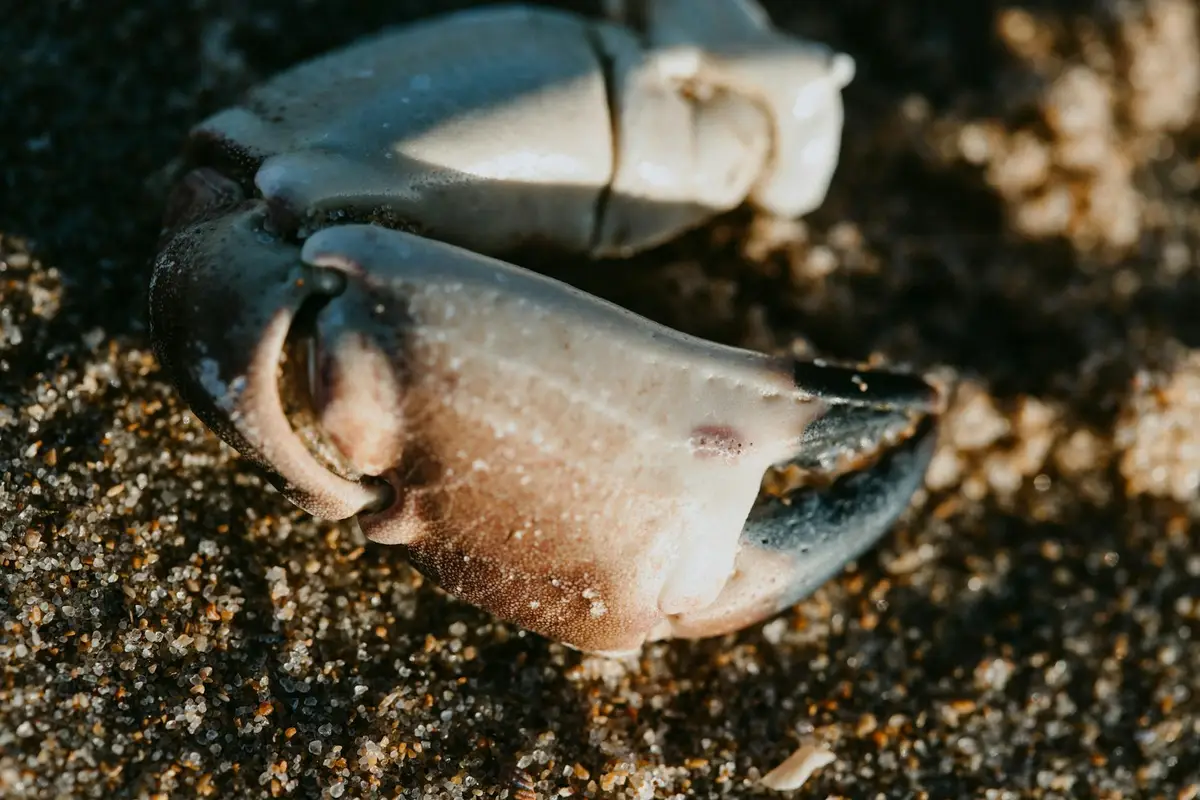
While hermit crabs are land-dwellers, their habitat requires high humidity and both freshwater and saltwater pools. This opens up a fascinating possibility for some aquatic companions. I’ve found that the key is choosing creatures that can tolerate the shallow, often still water of the pools and won’t harass your crabs. This ties into hermit crab water needs and their aquatic behavior. Crabs rely on both fresh and salt water for hydration and osmoregulation, so choose companions that tolerate shallow pools.
Adaptable Freshwater Invertebrates
In my freshwater dish, I’ve had success with a few hardy, peaceful species.
- Nerite Snails: These are my top choice. They are excellent algae eaters, cannot reproduce in freshwater, and are too large for a hermit crab to bother.
- Ghost Shrimp: These are inexpensive and fascinating to watch. They help clean up microscopic debris. Just be aware they have a short lifespan and may occasionally be investigated by a curious crab.
- Thai Micro Crabs: These are a more advanced option. They are fully aquatic, extremely peaceful, and will stay hidden among small decorations in the water dish.
The Brackish Water Niche
Hermit crabs need access to marine-grade saltwater for osmoregulation. This creates a unique brackish water environment in their salt pool, so it’s important to choose the right salt and ratios when preparing it.
- Bumblebee Snails: These small, striking snails tolerate a range of salinities and will sift through the substrate in the saltwater pool.
- Mollies: Certain types of mollies are incredibly adaptable and can be acclimated to live in a stable, brackish saltwater pool. They add a splash of movement and color.
Personal Experience with Water Parameter Challenges
Mixing species with different water needs is the single biggest hurdle. My crab Apollo loves to soak, and his frequent trips into the saltwater pool would cause rapid salinity swings that stressed my first attempt with bumblebee snails. I learned that stability is non-negotiable; you must test and adjust the water parameters daily, not just for the crabs but for the delicate aquatic life sharing their space—it’s especially critical understanding the water and moisture needs for a healthy hermit crab. It’s a commitment to extra maintenance that shouldn’t be taken lightly.
Tank Setup and Environment for Mixed Species Habitats
Creating a peaceful community tank is less about just putting animals together and more about engineering an environment that minimizes conflict. The goal is to design a habitat so rich in resources that competition becomes unnecessary.
Optimal Tank Size and Layout
Cramping different species is a recipe for stress and aggression. My rule of thumb has always been to go bigger than you think you need.
- Tank Size: For a small group of hermit crabs and any tank mates, start with a 20-gallon tank as an absolute minimum. I currently use a 40-gallon breeder tank for my five crabs and their snail companions, which provides ample floor space.
- Creating Zones: I break the tank into distinct areas. One side has the heat lamp and drier substrate for basking, the middle is a “playground” of cholla wood and rocks, and the far end has the deep, moist substrate and both water pools. This layout gives every animal, from my dominant crab Zeus to the shyest snail, a place to call their own.
Substrate and Decor Considerations
The foundation of your tank is its substrate. It must serve multiple masters: burrowing for molting crabs and a stable base for aquatic areas.
- Suitable Substrates: A 5:1 mix of play sand and coconut fiber is my gold standard. It holds tunnels perfectly for molting and is safe for all inhabitants. I make it at least 6 inches deep, or three times the height of your largest crab.
- Conflict-Reducing Decor: The more hiding spots, the better. I use a combination of:
- Terracotta Pots and Half-Coconut Shells: These provide instant, dark caves that crabs and other creatures love.
- Cholla Wood and Mopani Driftwood: These create complex climbing structures that break the line of sight, reducing confrontations.
- Live Plants like Spider Plants or Bamboo: Their roots help stabilize the substrate and they offer additional cover and enrichment. My crab Hermes spends hours climbing the spider plant leaves.
Feeding and Care in Multi-Species Tanks
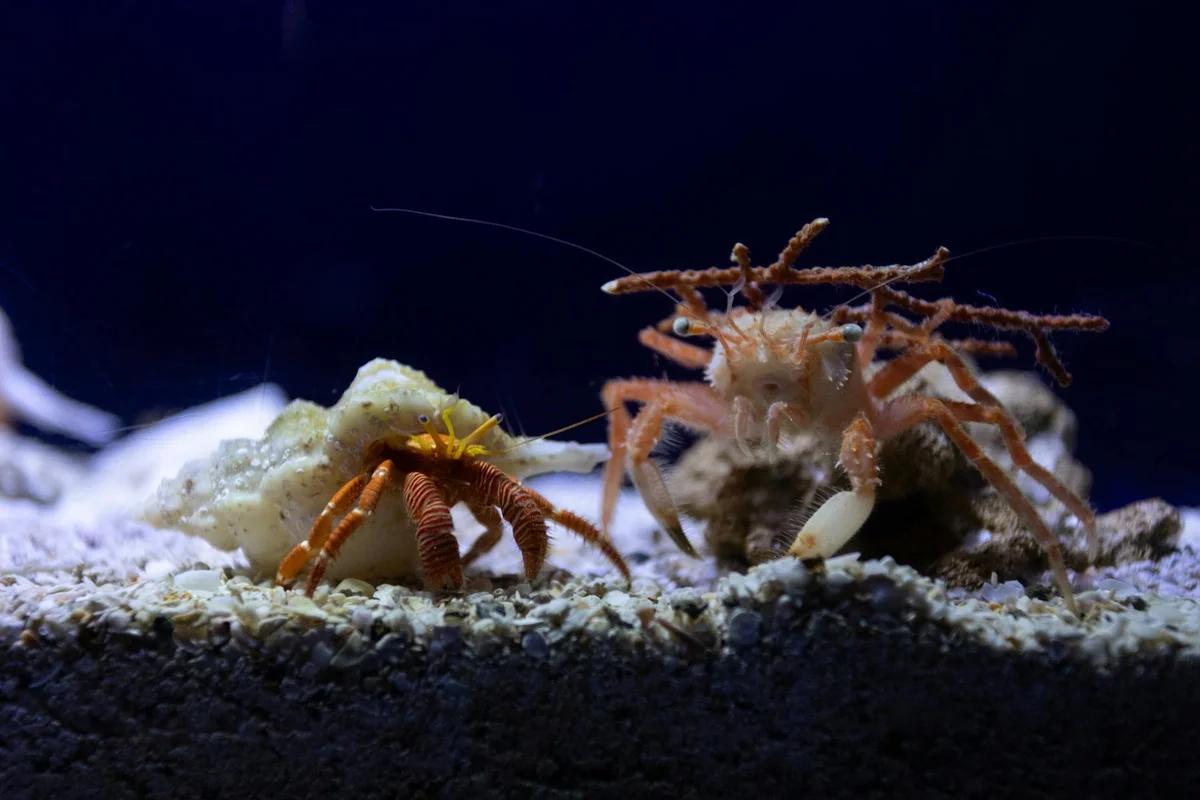
Managing a tank with different creatures means you become a master of compromise and careful observation. You are no longer catering to one set of needs, but creating a harmonious environment where everyone can thrive without stress. This is where your routine becomes your best friend.
Balancing Diets to Prevent Competition
Food time can quickly turn into a battlefield if you’re not strategic. My crab Zeus is a food guarder, so I had to adapt.
- Implement multiple feeding stations. I use two small, flat shell dishes placed on opposite ends of the tank.
- Offer a diverse menu that satisfies all inhabitants. For my crabs and isopods, this means a base of high-quality hermit crab pellets, supplemented with fresh greens (like kale) for the clean-up crew and protein (like dried shrimp) for the crabs.
- Always provide a separate, constant calcium source. A cuttlebone is perfect and benefits both crabs and snails, supporting healthy shell growth for everyone.
Adjusting Temperature and Humidity
The ideal environment for your hermit crabs is non-negotiable and must be the priority. Hermit crabs breathe through modified gills and require high humidity around 80% to prevent suffocation. Maintaining the ideal temperature is equally important for a healthy habitat. The ideal temperature-humidity range for hermit crabs is about 75–85°F (24–29°C) and 70–80% humidity. Any tank mate must be able to tolerate this.
- Stick to a consistent temperature range of 75-85°F. Most suitable co-inhabitants, like isopods and springtails, are comfortable here.
- If considering a species that prefers slightly cooler temps, like some snails, place their preferred hideout slightly farther from the primary heat source, but never let the overall tank temp drop.
- Monitor your hygrometer and thermometer daily. A digital one with a probe gives you the most accurate reading for the entire tank’s climate.
My Personal Health and Molting Monitoring Routine
With more animals in the tank, you must be extra vigilant. I do a quick headcount and visual check every morning during feeding.
- Check for activity levels. Is Apollo basking as usual? Are the isopods active in the leaf litter?
- Look for any signs of distress, injury, or unusual behavior. A missing crab often means one has buried itself to molt.
- I keep a simple logbook. When a crab like Athena disappears, I note the date. This helps me track molting cycles and know when to start worrying if they’re down for too long.
This daily ritual takes only five minutes but gives me immense peace of mind, ensuring I catch potential issues before they become emergencies.
Common Risks and Animals to Avoid with Hermit Crabs
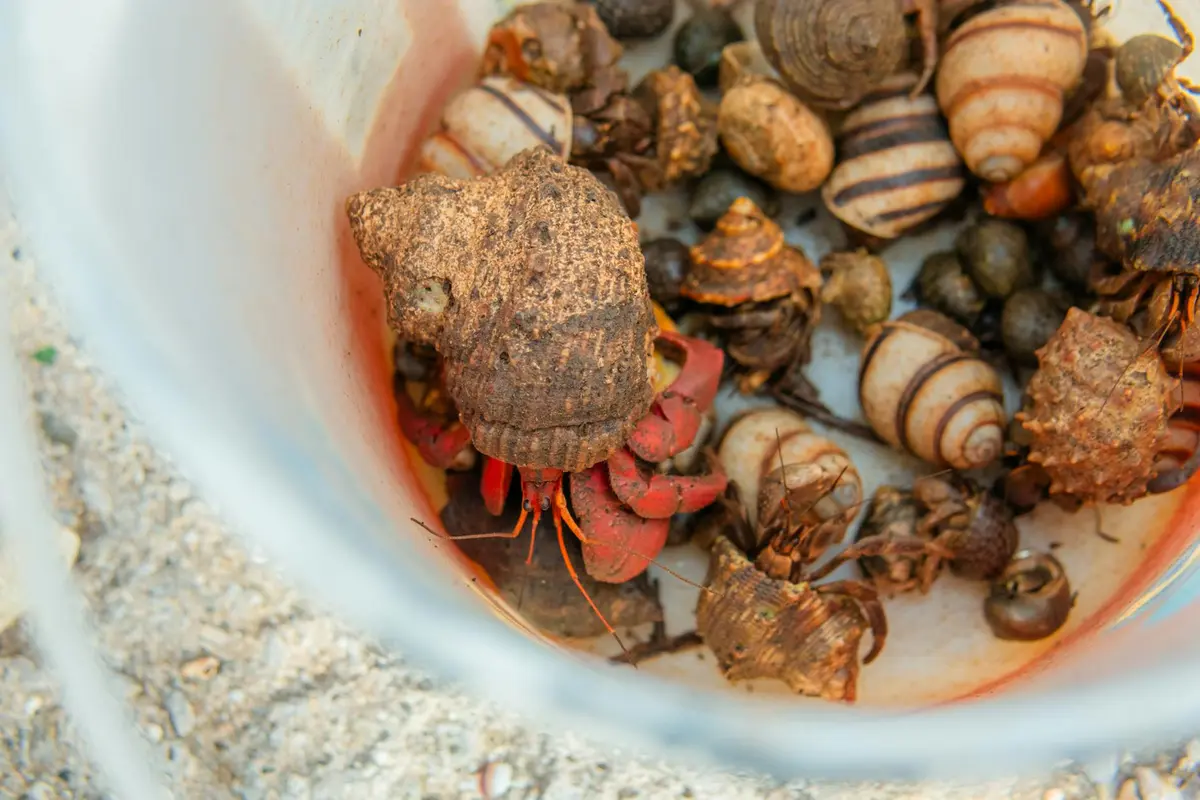
Predators and Aggressive Species
Your first and most critical job is to protect your gentle hermit crabs from harm. Many animals that seem peaceful in a pet store can be a serious danger in the close quarters of a tank, especially for hermit crabs.
- Avoid any fish known to be fin-nippers or aggressive. Even small fish can harass a crab and damage its delicate antennae and eyes.
- Do not house with other crustaceans like larger shrimp (Bamboo Shrimp, Vampire Shrimp) or crayfish. They can be territorial and may view a molting crab as a easy meal.
- Be wary of disease transmission. Animals from different environments, especially fish, can introduce parasites or bacteria that your crabs have no immunity against.
- Salinity is a major factor. Hermit crabs require access to both fresh and saltwater (mixed with marine salt). Most fish or other pets cannot tolerate the specific salinity hermit crabs need for bathing and shell water.
Incompatible Pet Store Choices
I’ve seen many well-intentioned mistakes at pet stores. Learning from my own early errors saved my crabs a lot of stress.
- Turtles are an absolute no. They are omnivorous, messy, produce a lot of waste, and will absolutely try to eat a hermit crab.
- Aggressive shrimp, like some Macrobrachium species, have large claws and are predatory. They are not safe companions.
- Large, fast-moving insects or arachnids can stress out crabs and may prey on them during a vulnerable molt.
Instead of taking a risk, I always recommend starting with a bioactive clean-up crew. Dwarf White Isopods and Tropical Springtails are my go-to. They are harmless, help break down waste, and thrive in the exact same conditions as your hermit crabs. They have lived peacefully with all five of my crabs for years without a single issue.
FAQs
What are some common signs that hermit crabs are stressed by tank mates?
Signs include reduced activity, constant hiding, or aggressive behaviors like chasing other animals. If observed, it may indicate incompatibility and require separating the inhabitants to prevent harm.
Can hermit crabs live with freshwater fish in their water pools?
No, most fish cannot tolerate the specific salinity and shallow conditions of hermit crab water pools. It is safer to choose fully aquatic invertebrates like snails or shrimp that adapt well to these environments. For hermit crabs, proper hydration and water conditioning are essential. This hydration water conditioning guide covers safe water types, salinity ranges, and how to maintain clean, stable conditions.
What is the best way to maintain water quality in a tank with multiple species?
Test water parameters daily and perform regular partial water changes to keep ammonia and nitrites at zero. Using an appropriate filtration system and avoiding overfeeding will help sustain a healthy habitat for all.
The Final Word on Tank Mates
The safest and most enriching community for your hermit crabs is one they share with their own kind. Providing a properly sized habitat with ample shells, hiding spots, and food stations is the single best way to ensure a peaceful, thriving tank. Additionally, choose safe, stimulating decor for your hermit crab tank to encourage exploration and natural behaviors. Look for non-toxic, smooth decorations that are securely anchored and offer hiding, climbing, and foraging opportunities. While the idea of a diverse ecosystem is appealing, introducing other species often creates stress and risk. For the wellbeing of your crabs, the best choice is almost always a dedicated, species-specific setup where they can exhibit their natural behaviors without competition or danger.
Further Reading & Sources
- r/hermitcrabs on Reddit: Can crabs have other animals live with them?
- Hermit crab tankmate!? | MonsterFishKeepers.com
- What animals can be put with LAND hermit crabs? I am turning my closet into a paludarium and was wondering if anyone had past experience or thoughts? I will split salt and freshwater at the bottom somehow. Any thoughts? – Quora
The Crab Central is your ultimate resource for hermit crab enthusiasts, providing expert advice and practical tips to ensure the health and happiness of your shelled companions. With years of experience in crustacean care, we are dedicated to offering accurate, up-to-date information to support your hermit crab journey. Our mission is to foster a community of responsible hermit crab owners who are passionate about the well-being of these fascinating creatures.
Understanding Hermit Crab Behavior