
Where to Put Your Hermit Crab Tank: An Ideal Location Guide
Finding the perfect spot for your hermit crab tank is one of the most important first steps you’ll take as an owner.
After caring for my own crew for years, I’ll help you avoid common mistakes and find a location that supports a long, healthy life for your crabs.
A single drafty window or a noisy speaker can cause more stress than you might realize.
We’ll cover finding a safe, temperature-stable area away from direct sunlight, the impact of household noise and traffic, and why the right floor surface matters more than you think.
Why Hermit Crab Tank Placement Matters for Health and Happiness
Where you park your crabitat isn’t just about interior design; it’s a core part of their care. An improper location directly creates stress, weakens their immune systems, and can sadly shorten their lifespans. I’ve seen this firsthand with my own crabs.
When I first set up my tank in a drafty hallway, my usually assertive crab, Zeus, became withdrawn and stopped eating for days. Moving him to a stable spot brought his confident, food-guarding personality right back. My crab Apollo will only bask contentedly under his heat lamp if the room’s ambient temperature is consistent, showing how sensitive they are to their surroundings.
The placement of your tank directly controls three non-negotiable factors for hermit crab health:
- Humidity Levels: Drafts from vents or windows dry out the air, making it hard for them to breathe properly.
- Temperature Stability: Fluctuations force their bodies to constantly adjust, depleting their energy.
- Overall Crab Activity: A stressed crab hides, a happy crab explores, climbs, and eats.
Room-by-Room Evaluation for Your Hermit Crab Tank
Living Room Tank Placement
The living room offers a double-edged sword for hermit crab placement. The main benefit is the opportunity for gentle family interaction and observation, which can be enriching for these curious creatures. My crab Hermes, for instance, becomes incredibly active and curious when people are calmly moving about. Additionally, planned hermit crab playdates with other crabs can further boost their socialization and confidence. These gentle gatherings foster social learning and exploration in a safe, supervised setting. For more information, check out the Benefits of Hermit Crab Playdates.
However, the cons are significant. Loud TVs, sudden noises, and heavy foot traffic can cause constant stress. I always recommend choosing a spot away from the television, speakers, and main walkways, perhaps on a sturdy side table in a quieter corner. This gives them a front-row seat to the action without being in the middle of the chaos.
Bedroom Tank Placement
A bedroom is often a fantastic choice for a hermit crab tank. The quiet, stable environment and consistent human presence typically create a low-stress atmosphere where crabs can thrive. My calmest crab, Athena, absolutely flourishes in a peaceful bedroom corner where she can observe without constant disturbance. When you set up a perfect habitat, consider whether you’re keeping land hermits or marine hermits. The goals are similar—stable humidity and temperature—but the specifics differ for land vs marine setups.
The one potential issue is their nocturnal nature. Their nighttime rustling and climbing might disturb light sleepers. Place the tank on a sturdy desk or dresser away from your direct line of sight if you’re a light sleeper, but ensure it’s still easily accessible for maintenance. The trade-off for their well-being is usually worth it.
Kitchen and Bathroom Cautions
I strongly advise against placing your hermit crab tank in kitchens or bathrooms. These rooms are full of hidden dangers, including chemical fumes from cleaners, aerosol sprays, and sudden steam from cooking or showers. These contaminants can seep into the tank and poison your crabs. Additionally, many common household plants can be poisonous to hermit crabs if ingested or contaminated. Keep plants and pesticide-treated soil well away from the enclosure.
Temperature fluctuations are also extreme near ovens, stoves, and sinks. Never place a tank on a countertop next to a sink or stove, as the humidity spikes and heat waves are impossible to regulate. I learned this the hard way when steam from a boiling pot caused a massive, unwanted humidity spike that stressed my entire colony.
Other Areas like Home Offices or Basements
Spaces like home offices or finished basements can work with careful planning. You must be vigilant about providing sufficient artificial light on a consistent day/night cycle, as these rooms often lack natural sunlight.
Basements can be drafty and cool, while offices might have distracting activity during the day. In these isolated or climate-challenged spaces, you will likely need extra equipment like a space heater for the room itself or a second hygrometer to monitor conditions more closely. Proper ventilation is also key to prevent stagnant air.
Essential Environmental Conditions for Ideal Tank Placement
Temperature Control Needs
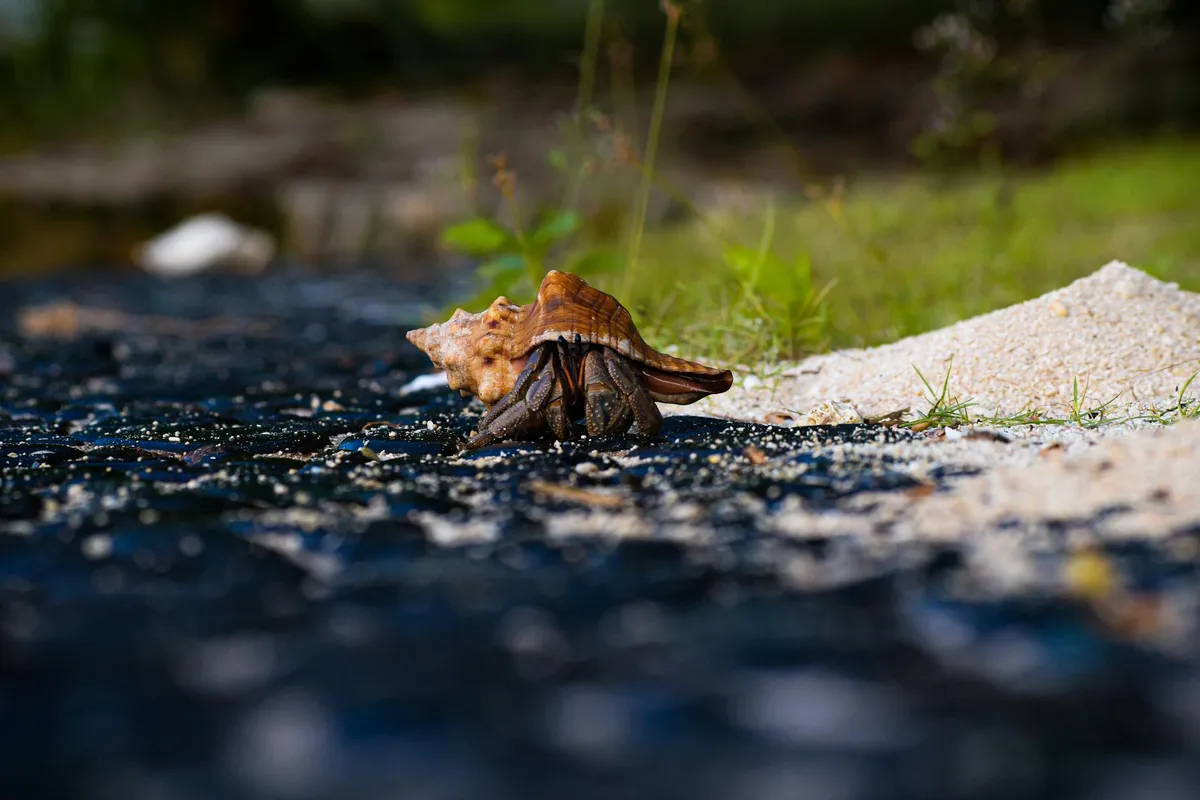
Maintaining the right temperature is non-negotiable for your hermit crabs’ health. I keep my tank between 75°F and 85°F to mimic their natural tropical habitat. You can monitor this easily with a digital thermometer placed at substrate level. I check mine daily to ensure it stays consistent, especially to prevent overheating or chilling.
- Place tanks away from heating vents, air conditioners, and windows. These spots cause rapid temperature swings that stress crabs.
- I use a heat lamp on one side of the tank to create a warm zone. Apollo adores basking under it, so I position it to give him that cozy spot while allowing cooler areas for others to retreat.
- Invest in a thermostat-controlled heat source. This prevents overheating and gives you peace of mind.
Humidity Management Strategies
Hermit crabs breathe through modified gills that need moist air to function. Consistent humidity levels of 70% to 80% are vital for preventing gill damage and aiding molting. For an ideal temperature-humidity range in a hermit crab habitat, aim for about 72–78°F (22–26°C) with 70–80% humidity. I rely on a hygrometer to track this constantly.
- Choose locations away from dry, drafty areas like hallways or near fans. Bathrooms or kitchens can sometimes offer more ambient moisture, but always verify with your gauge.
- I maintain humidity by using a spray bottle for misting and keeping a deep, moist substrate. Poseidon loves digging in the damp sand, which also helps lock in moisture naturally.
- Seal part of the tank lid with plastic wrap if needed. This simple trick reduces moisture loss without completely cutting off ventilation.
Light and Ventilation Requirements
Light and air flow need a careful balance to support your crabs’ daily rhythms. Provide indirect, ambient light to establish a natural day-night cycle without the risk of overheating. Direct sunlight can cook the tank rapidly, so I avoid windows entirely.
- Use full-spectrum LED bulbs on a timer for about 12 hours daily. This regulates their activity and supports healthy molting, as I’ve seen with Athena’s calm periods.
- Ensure the tank has a secure screen lid for some air exchange. But watch for drafts-if decorations or crabs cluster in one spot, it might signal a drafty area.
- Ventilation helps prevent mold, but too much dries out the air. I adjust based on humidity readings and crab behavior.
Safety and Practical Considerations for Tank Location
Keeping Tanks Secure from Hazards
Your hermit crabs’ home must be a sanctuary free from external threats. Always position the tank where it’s safe from curious pets, young children, and environmental dangers. I learned this the hard way when my cat tried to paw at the glass, startling poor Hermes. It’s essential to be aware of both natural predators and threats to ensure their safety.
- Avoid spots with direct sunlight, drafts, or high traffic. These can cause stress, escape attempts, or even injury.
- Keep the tank at least a few feet from electrical outlets and cords. This prevents water spills from causing shorts or fires.
- Use a locking lid if you have other pets. After Zeus’s assertive nature attracted my dog’s attention, I upgraded to a secured cover for everyone’s safety.
Ensuring Accessibility and Stability
A well-placed tank makes routine care effortless and stress-free for both you and your crabs. Choose a sturdy, flat surface like a dedicated aquarium stand to prevent tipping and ensure stability. Wobbly tables are a no-go-I once had a close call with an uneven shelf.
- Make sure you have easy access for daily feeding, spot cleaning, and water changes. I keep a step stool nearby for my taller tank to reach in comfortably.
- Establish a consistent maintenance routine. I do quick checks each morning and a deeper clean weekly, which keeps the environment healthy without overwhelming me or the crabs.
- Position the tank at a height where you can observe crab behavior easily. This lets you enjoy their antics and catch any issues early.
Common Hermit Crab Tank Placement Mistakes to Avoid
When I first set up my tank for Hermes and Apollo, I made nearly every mistake in the book. Learning from these errors transformed my crab care and drastically improved their wellbeing. Here are the big ones to watch for.
Placing the Tank in a Noisy Area
Hermit crabs are not fans of loud vibrations. My first tank was near our living room television, and I noticed Hermes, my curious explorer, became far more reclusive. Constant noise and vibrations can cause chronic stress, which weakens their immune systems over time. The fix is simple: move the tank to a quieter room or a low-traffic corner. I relocated my crew to a spare bedroom, and their activity levels improved within days (the impact of noise on hermit crab stress levels).
Ignoring Airflow and Ventilation
Stagnant, stuffy air is a recipe for bacterial and fungal growth. Good ventilation is non-negotiable for preventing respiratory issues and maintaining healthy humidity. Do not block the tank’s ventilation slots or lid holes. If you notice condensation constantly building up on the glass, you need more air movement. A small, quiet computer fan placed near (not directly on) the tank’s top can gently circulate air without creating a draft.
Setting Up on an Unstable Surface
This was my most heart-stopping mistake. A wobbly stand caused a minor rockslide that startled Zeus for a week. An unlevel surface is a safety hazard that can lead to collapses and injured crabs. Your tank must be on a sturdy, perfectly level stand or furniture. Use a small spirit level to check. For added stability on slippery surfaces, place a non-slip furniture pad or a small square of that rubbery shelf liner under the tank’s corners.
How to Adapt Your Home for Optimal Hermit Crab Care
Not every home has a perfect, ready-made spot. You can create an ideal microclimate for your crabs with a few strategic adjustments, no matter your room’s starting point. I’ve had to do this in three different apartments over the years.
Solutions for Challenging Rooms
Dry rooms like those with forced-air heating need extra help. I use a simple cool-mist humidifier placed several feet from the tank to gently raise the room’s overall humidity. For drafty rooms, a room divider or even a tall piece of furniture placed between the tank and the draft source works wonders. Think of it as building a small fortress of climate control around their habitat. This is how I kept Athena’s corner consistently warm and moist.
Essential Monitoring Equipment
You cannot manage what you do not measure. A digital combination thermometer/hygrometer is the single most important tool for adapting your space. The analog dials that come with some kits are notoriously inaccurate. I use two digital sensors in each of my tanks-one at the warm end and one at the cool, moist end. This tells me exactly how my room adjustments are working. Pair this with a thermostat-controlled under-tank heater to maintain a steady temperature gradient automatically.
My Experience with Long-Term Adjustments
Caring for my five crabs long-term has been a journey of constant, gentle tweaking. The goal is not a static setup, but a responsive habitat that changes with the seasons and your crabs’ needs. In winter, I might add a second low-wattage heat mat on the side of the tank. In a humid summer, I might crack the lid open a tiny bit more. I watch Poseidon’s behavior; if he’s constantly soaking in his saltwater pool, I know the humidity might be a bit low. Your crabs will tell you what they need, you just have to learn their language — for more detailed adjustments, check out seasonal care tips for hermit crabs.
FAQs
Can I place my hermit crab tank directly on the floor?
Placing the tank on the floor is not recommended due to increased exposure to drafts, dirt, and potential instability from foot traffic. Instead, use a sturdy, elevated surface to maintain consistent environmental conditions and reduce stress.
Is it safe to move my hermit crab tank to a different room occasionally?
Frequent relocation can cause significant stress and disrupt the stable humidity and temperature levels essential for hermit crab health. It’s best to select a permanent, ideal spot to avoid unnecessary disturbances and ensure long-term well-being. Avoid common hermit crab habitat mistakes by planning a stable setup from the start. This helps prevent fluctuations in humidity, temperature, and unnecessary disturbances.
What should I do if the only available space has limited natural light?
You can compensate by using a full-spectrum LED bulb on a timer to establish a consistent day-night cycle without risking overheating. Just ensure the light is indirect and monitor your crabs’ behavior to confirm they adapt well.
In Closing
The right spot for your hermit crab tank is a quiet, climate-controlled room away from direct sunlight, drafts, and heavy foot traffic. By focusing on a location that provides stable temperature and humidity, you create a foundation for a thriving habitat, turning a simple tank into a secure and healthy home for your curious crustaceans. This sets the stage for creating a hermit crab friendly environment at home. From there, add hides, safe substrate, and gentle decor to support their needs.
Further Reading & Sources
- Hermit Crab Cages, Tanks & Habitats | Petco
- r/hermitcrabs on Reddit: Hermit crab tank setup [updated]; any reccomendations? Tips and other advice to ensure a healthy long life for them?
- Tank set up » Hermit Crab Paradise
The Crab Central is your ultimate resource for hermit crab enthusiasts, providing expert advice and practical tips to ensure the health and happiness of your shelled companions. With years of experience in crustacean care, we are dedicated to offering accurate, up-to-date information to support your hermit crab journey. Our mission is to foster a community of responsible hermit crab owners who are passionate about the well-being of these fascinating creatures.
Proper Tank Setup