
What Is the Proper and Safe Way to Handle a Deceased Hermit Crab?
Published on: September 8, 2026 | Last Updated: September 8, 2026
Written By: The Crab Guru
Finding a hermit crab that has passed away in your tank is a heart-wrenching experience for any owner.
With five hermit crabs of my own, I’ve navigated this sad task before and will help you do it safely and respectfully.
Always handle the crab gently to protect its fragile body and your tank’s health.
We will cover how to confirm the crab has passed, the safest way to remove it, proper disposal methods, and how to process this loss.
Confirming the Death of Your Hermit Crab
Signs of Life vs. Final Rest
This is one of the hardest moments for an owner, as hermit crabs can appear deceased when they are actually molting. I’ve mistaken a molting Apollo for a tragedy before, so I know how confusing it can be. You need to be absolutely certain before proceeding. If you’re unsure, learn how to tell a molting crab from a dead one. Look for subtle movement and a shed exoskeleton as clues.
Look for a distinct, unpleasant odor. A deceased crab will emit a very strong, fishy, and sour smell that is unmistakable. This smell is the single most reliable indicator that your crab has passed away.
Gently observe the crab without touching it. A molting crab will often be partially buried and may show subtle movement in its shell over hours. A deceased crab will be completely limp and unresponsive. Make sure you are providing the right environment to support molting.
Check for signs of a body. If you can see a dry, brittle, or discolored body part protruding from the shell, it is a clear sign. Sometimes, you might only find an empty shell, which means your crab has passed and other tank inhabitants have done what nature intended.
| Possible Molting | Likely Deceased |
|---|---|
| No foul odor present | Strong, sour, fishy smell |
| Shell feels heavy and occupied | Body may feel loose or floppy in the shell |
| May be partially buried in substrate | Often found completely out in the open |
| Possible sight of an exoskeleton nearby | Visible, discolored body parts |
Immediate Hygiene and Safety Precautions
Gathering Your Safety Gear
Once you are certain of your crab’s passing, your next priority is safety for you and your other pets. Hermit crabs can carry bacteria, so handling them without protection is unwise. Bites can be painful and may break the skin. To stay safe, handle hermit crabs with gloves and wash your hands afterwards.
I keep a small kit with these items on hand for tank maintenance and emergencies. Always wear disposable gloves when handling a deceased crab to create a barrier between you and any potential bacteria.
- Disposable Nitrile or Latex Gloves
- A small plastic bag or container for the body
- Paper towels
- A dedicated scoop or spoon you don’t use for food
- Mild pet-safe disinfectant for cleaning the habitat afterward
Wash your hands thoroughly with soap and warm water after you remove the gloves, even if you think the gloves protected you. This simple step is the best defense against cross-contamination. After my crab Zeus passed, I was meticulous about this process to ensure my other crabs, like Poseidon and Athena, remained healthy in our shared home.
Safe Disposal Methods for a Deceased Hermit Crab
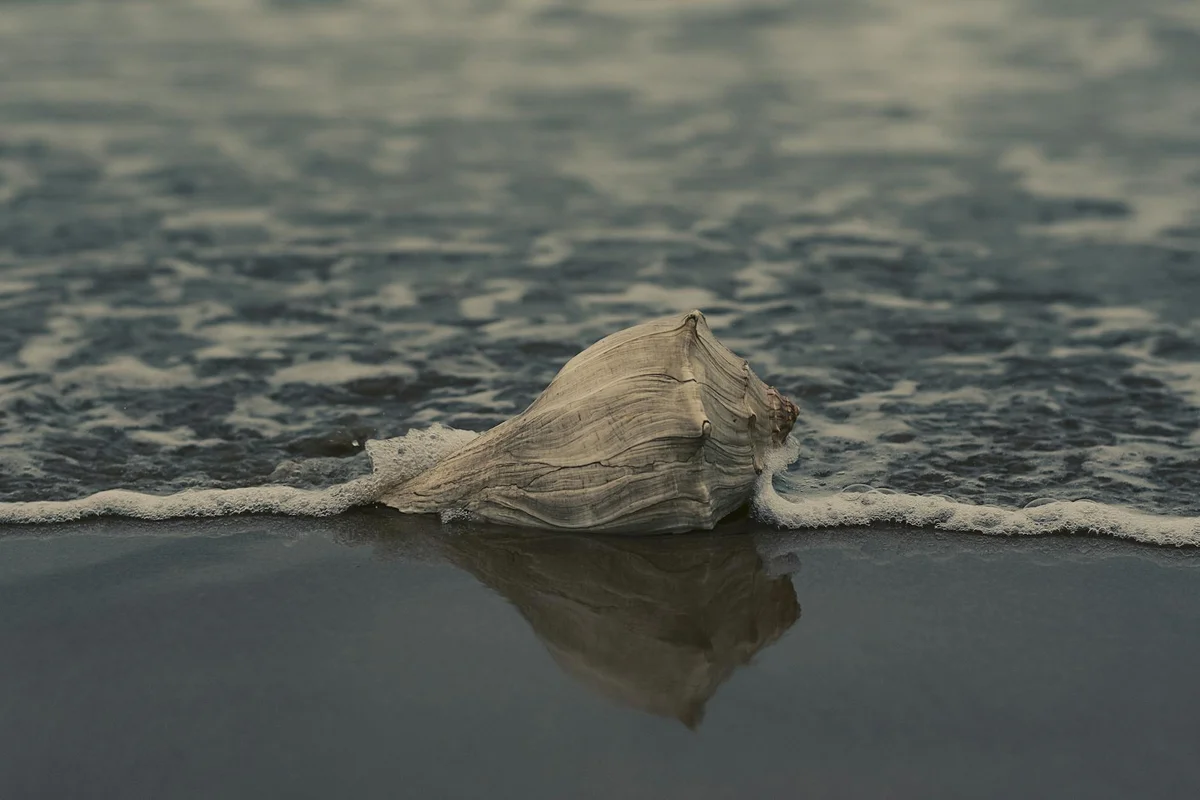
Finding one of your crabs has passed is a difficult moment. I’ve been there with my own clan, and it’s vital to handle their little body with respect while prioritizing the health of your other pets. Your first step should always be to confirm the crab has truly passed, as they can sometimes be in a very deep molt.
Trash Disposal Protocol
While not the most sentimental choice, disposing of a deceased hermit crab in the trash is a safe and practical method, especially in urban settings or during winter when the ground is frozen. In hermit crab end-life care considerations, recognizing signs of decline and planning respectful disposal ahead of time can help. If in doubt, consult a veterinarian about humane options and best practices for end-of-life care.
- Wear disposable gloves for hygiene.
- Place the body in a small, sealable bag, like a Ziploc.
- Seal this bag, then place it inside a second trash bag with your regular household waste.
- Take the trash out promptly to prevent any odor or bacterial growth indoors.
This double-bagging technique is what I’ve always done. This method securely contains the body and prevents any potential spread of bacteria within your home.
Humane Burial Alternatives
Burying your hermit crab can offer a sense of closure. If you choose this route, a little preparation ensures it’s done safely and respectfully for the environment. Understanding why hermit crabs bury themselves helps explain these natural burrowing and hiding behaviors. This behavior provides shelter, helps regulate humidity and temperature, and protects the crab from threats.
- Select a quiet spot in your yard, away from vegetable gardens and water runoff.
- Dig a hole at least 6 inches deep to deter scavengers like raccoons or cats.
- You may wish to wrap the crab in a small, untreated paper towel or place it in a simple cardboard box.
- Do not bury the crab in its shell if it’s a painted one, as the paints can leach into the soil.
I’ve found this to be a peaceful process. A proper burial honors your pet’s life while ensuring it returns to the earth naturally.
Cleaning and Sanitizing the Habitat Post-Loss
After the sad event, a thorough habitat cleaning is non-negotiable for the wellbeing of your remaining crabs. This process protects them from any potential pathogens.
Substrate and Surface Sanitation
You must remove all substrate from the area where the crab was found, plus a wide perimeter around it.
- Scoop out all the sand and coconut fiber from the affected zone.
- Wipe down the entire tank glass, plastic walls, and any solid decorations with a 50/50 mix of white vinegar and dechlorinated water.
- Rinse all surfaces thoroughly with dechlorinated water to remove any vinegar residue.
- Allow the tank to air dry completely before adding fresh substrate.
For wooden ornaments or food dishes, I bake them at 250°F for about 25 minutes to kill any lingering bacteria. A complete sanitation of the environment is the most caring thing you can do for your surviving hermit crabs.
Preserving the Shell After Loss
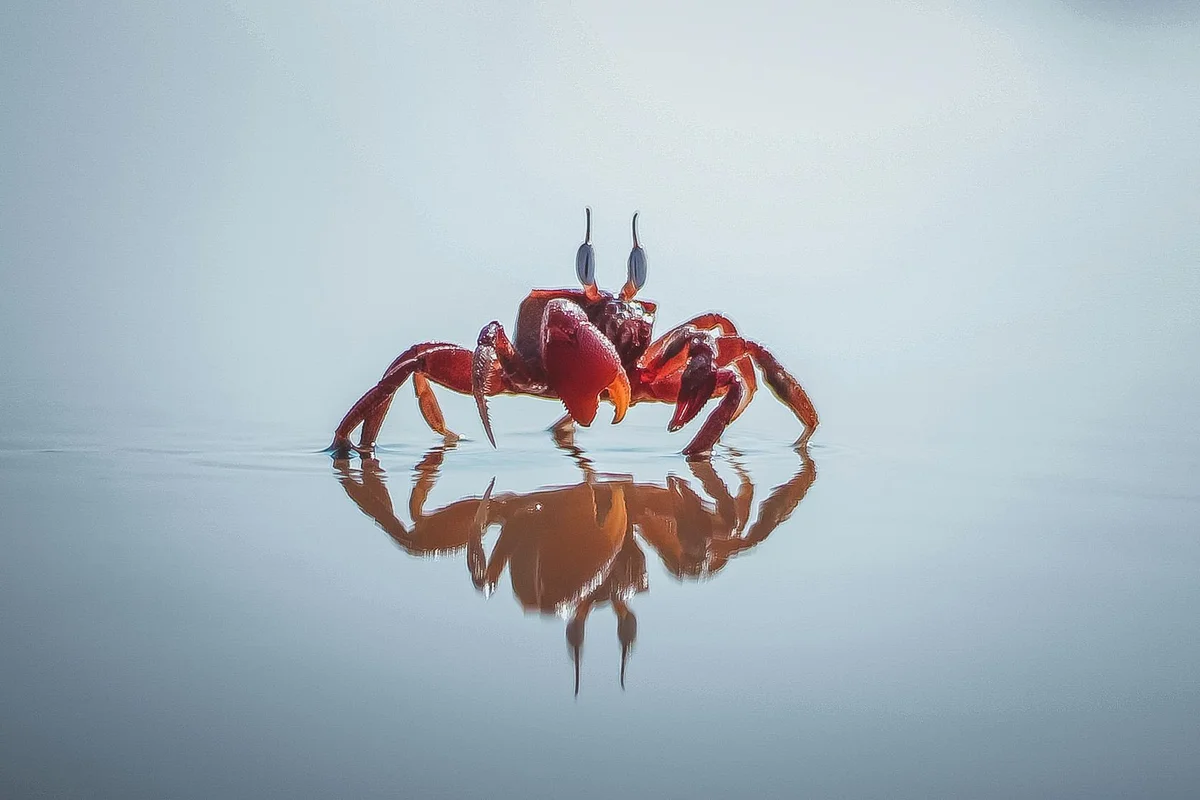
When one of my crabs, like Hermes, passed, I found comfort in carefully preserving his shell. This process honors your pet and provides a future home for another crab in your tank. It is a simple act of care that extends beyond their lifetime.
Shell Cleaning and Storage Tips
You must clean the shell thoroughly to prevent any bacterial growth. I always handle this with care and respect for my late pet.
- Gently remove any remaining tissue from the shell using tweezers. I do this over a trash can.
- Boil the empty shell in dechlorinated water for about 10-15 minutes. This sanitizes it completely.
- Let the shell air dry completely in a sunny spot for a full day. Sunlight is a great natural disinfectant.
- Once bone-dry, store the shell in a clean, sealed container until you are ready to offer it back to your colony.
Properly cleaning and storing the shell turns a moment of loss into a practical resource for your other crabs. I’ve seen Apollo immediately investigate and try on a cleaned shell from a passed tankmate.
Understanding Common Causes of Death
Knowing why hermit crabs die can help you prevent future losses. From my years of keeping them, I’ve observed a few recurring issues. Some of these are the most common health problems, and most are treatable if caught early. This guide will help you recognize them and learn how to treat them.
- Surface Molting: This is a critical emergency. If a crab molts outside the safety of the substrate, it is extremely vulnerable. My crab Zeus once surface molted after a tank disturbance, and despite my best efforts, he did not survive.
- Post-Purchase Syndrome (PPS): Many crabs are wild-caught and suffer immense stress before they even reach your home. This chain of trauma is a leading cause of early death, which is why advocating for better industry practices is so vital.
- Incorrect Humidity and Temperature: These creatures breathe through modified gills and need humid air. Low humidity slowly suffocates them.
- Toxins: Painted shells, tap water, chemical cleaners, or scented candles near the tank can be fatal. Their systems are incredibly sensitive.
- Insufficient Diet and Water: They need a varied diet of proteins, calcium, and vegetables, along with both fresh and saltwater pools.
Often, a crab’s death is not the owner’s fault, but the result of systemic issues within the pet trade. Providing a stable, toxin-free environment is the single best thing you can do for their welfare.
When to Consult a Veterinarian or Expert
While most hermit crab passings are a natural part of their lifecycle, some situations warrant a second opinion. If you have multiple crabs and experience a sudden, unexplained death, it is a sign that something in their environment may be wrong. This happened in my colony once, and it prompted me to do a full habitat check that likely saved my other crabs.
You should consider reaching out for expert advice if you notice any of the following:
- The death was preceded by a foul, fishy odor from the main shell, which can indicate a bacterial infection.
- Multiple crabs have died in a short period with no clear cause.
- You observe mites or other parasites in the habitat after the death.
- The remaining crabs are acting lethargic, not eating, or showing other signs of illness.
An exotic veterinarian or a seasoned keeper from a reputable hermit crab society can help you troubleshoot potential issues with temperature, humidity, or diet. Their insight is invaluable for preventing further loss and ensuring your other pets remain healthy and safe. To support ongoing care, document and track your hermit crabs’ health—note changes in appetite, activity, molts, and shell condition. A simple health log helps you spot trends early and communicate concerns with a vet.
Respecting Your Pet and Managing Grief
Losing a pet, no matter how small, is a genuine loss. I’ve felt this deeply with every one of my crabs, from curious Hermes to calm Athena. Allowing yourself to feel that grief is the first step in honoring the life you cared for. It is perfectly okay to be sad.
Creating a small ritual can provide a sense of closure and respect. Here is what I have found to be meaningful:
- Bury your crab in a quiet spot in a garden or a potted plant with a native flower.
- Keep the empty shell as a memento, after thoroughly cleaning and boiling it.
- Write down a favorite memory of your crab’s unique personality and behaviors.
Focus on the excellent life you provided. You gave your hermit crab a safe home, proper nutrition, and a life far beyond what it would have known in a pet store. That is a beautiful thing to hold onto. In the essential guide to raising hermit crab pets, such care is the foundation it emphasizes. Talk about your feelings with fellow pet owners who understand; you are not alone in this.
FAQs
Can I cremate my deceased hermit crab?
Cremation is generally not advised for hermit crabs due to their small size and the risk of releasing harmful fumes from any painted or treated shells. Safer alternatives like burial or sealed trash disposal are more practical and environmentally friendly.
What should I do with the shell if I don’t want to preserve it?
If you decide not to keep the shell, clean it thoroughly by boiling and then dispose of it in the trash to prevent any bacterial issues. You could also consider offering it to other hermit crab enthusiasts or a local pet store if it’s unpainted and in good condition.
How can I help my other hermit crabs cope after a tankmate’s death?
Maintain a consistent habitat by cleaning the tank and ensuring stable temperature and humidity levels to minimize stress. Observe your remaining crabs closely for changes in behavior and provide extra enrichment, like new shells or treats, to support their well-being.
A Final, Gentle Reminder
When you find a crab has passed, act with speed and care to protect its tank mates. Gently remove the crab, check for any signs of life, and choose a respectful disposal method that honors your little friend. For living crabs, our safe handling and shell-change guide offers humane, step-by-step tips to ease shell transitions. This guidance helps you apply gentle, stress-free care during all shell changes. This final act of kindness is a quiet but important part of our responsibility as hermit crab caretakers.
Further Reading & Sources
- Hermit Crab Care: Should You Replace a Deceased Crab?
- 3 Ways to Know when Your Hermit Crab Is Dead – wikiHow
- Disposing Deceased Crab – HCA: Hermit Crab Association
The Crab Central is your ultimate resource for hermit crab enthusiasts, providing expert advice and practical tips to ensure the health and happiness of your shelled companions. With years of experience in crustacean care, we are dedicated to offering accurate, up-to-date information to support your hermit crab journey. Our mission is to foster a community of responsible hermit crab owners who are passionate about the well-being of these fascinating creatures.
Cleaning the Tank