What Foods Are Toxic to Hermit Crabs? A Complete Safety Guide
You want to give your hermit crab the best treats, but some common foods can be surprisingly dangerous for them.
After years of caring for my own crabs like Hermes and Apollo, I’ve learned through experience and research how to spot and avoid toxic foods.
When in doubt, always stick to natural, unseasoned options.
This guide covers toxic foods to avoid, safe alternatives, and how to recognize signs of poisoning to keep your crab healthy.
Understanding Hermit Crab Digestion and Toxicity Risks
Hermit crabs are fascinating little detritivores, meaning they are nature’s cleanup crew and will scavenge on a wide variety of foods. Their digestive systems are surprisingly efficient but also very sensitive, lacking the specific enzymes needed to break down many compounds we humans can process. In science terms, hermit crab digestion offers a clear example of how nutrition and gut chemistry shape what they can safely eat. This connection makes studying their nutrition a core topic in crustacean digestion research. What might be a healthy snack for you can become a toxic food for them, causing anything from mild lethargy to fatal poisoning.
I’ve spent countless evenings watching my crew, Hermes and Apollo, investigate new food items. Hermes, being the more adventurous one, will often be the first to sample something. I once put down a small piece of a new vegetable, and his initial excitement was clear. But after a few tentative nibbles, he backed away and avoided it entirely. This behavior taught me to trust their instincts to a point, but also to never rely on them to self-regulate against truly dangerous items. It’s our job as owners to be the first line of defense.
Here’s a quick look at why some common unsafe foods are so harmful:
- Avocado: Contains persin, a fungicidal toxin that can cause serious heart and respiratory damage.
- Chocolate: Harbors theobromine and caffeine, which are potent stimulants that a crab’s body cannot metabolize.
- Onions & Garlic: Include thiosulfate, which can lead to the destruction of red blood cells and severe anemia.
- Citrus Fruits: The high acidity can irritate their delicate digestive tract and cause painful sores.
Common Toxic Foods to Strictly Avoid
Fruits and Vegetables That Pose Dangers
Fresh produce seems like a safe bet, but several kitchen staples are a hard no for your crab’s dish.
- Avocado: Every part-skin, flesh, and pit-is toxic due to persin.
- Onions and Garlic: These members of the allium family are harmful in all forms, whether raw, cooked, or powdered.
- Citrus Fruits: Oranges, lemons, limes, and grapefruit are too acidic. I never feed Apollo citrus due to past issues with him becoming sluggish after an accidental exposure to a tiny piece of orange peel.
- Citrus Peel: The peel is often concentrated with oils and pesticides, making it a double hazard.
- Seeds and Pits: From apples, cherries, or peaches, these can contain trace amounts of cyanide and are a choking risk.
- Moldy Foods: Never offer fruits or vegetables that are even slightly spoiled. The molds can produce mycotoxins that are swiftly lethal.
Human Foods and Processed Items
Your leftover dinner plate is not a suitable buffet for your hermit crabs. Their bodies are not built for modern human food. To keep their diet fresh and safe, store appropriate foods properly and offer only small portions, removing leftovers promptly.
- Chocolate and Caffeine: These stimulants overwork their nervous systems and can be fatal even in small amounts.
- Alcohol: Absolutely no beer, wine, or any other type of alcohol. It is a poison to them.
- Dairy Products: Hermit crabs are lactose intolerant. Cheese, milk, and yogurt can cause severe digestive upset.
- Processed Foods: Chips, crackers, and canned goods are loaded with salt, artificial preservatives, and artificial sweeteners like xylitol, which is highly toxic.
- High Salt Intake: Salt is necessary in tiny amounts from natural sea salt, but the sodium chloride in table salt and preserved foods can dehydrate and kill them.
- Pesticides on Produce: I always make a habit of thoroughly washing all fruits and vegetables, or buying organic, to remove any potential chemical residues. Their small size makes them incredibly vulnerable to toxins.
Animal-Based and Other Hazardous Items
While hermit crabs need animal-based protein, the source and quality are critical.
- Raw Meat and Raw Fish: These can harbor dangerous bacteria like salmonella and E. coli. I only ever offer cooked, unseasoned meats.
- Fatty Foods: Greasy bits of bacon or fatty beef can lead to digestive issues and contaminate the tank substrate.
- Spoiled Foods and Mold: Decaying food is a breeding ground for harmful pathogens. I learned this lesson the hard way after accidentally leaving a piece of fish in the tank for a few hours too long on a hot day; the entire tank smelled foul, and the crabs were stressed. Now, I remove all uneaten food within a few hours.
- Any food showing signs of mold or spoilage must be discarded immediately, not just the visibly bad parts. The invisible threads of mold can spread throughout the food item.
Recognizing Symptoms of Food Poisoning in Hermit Crabs
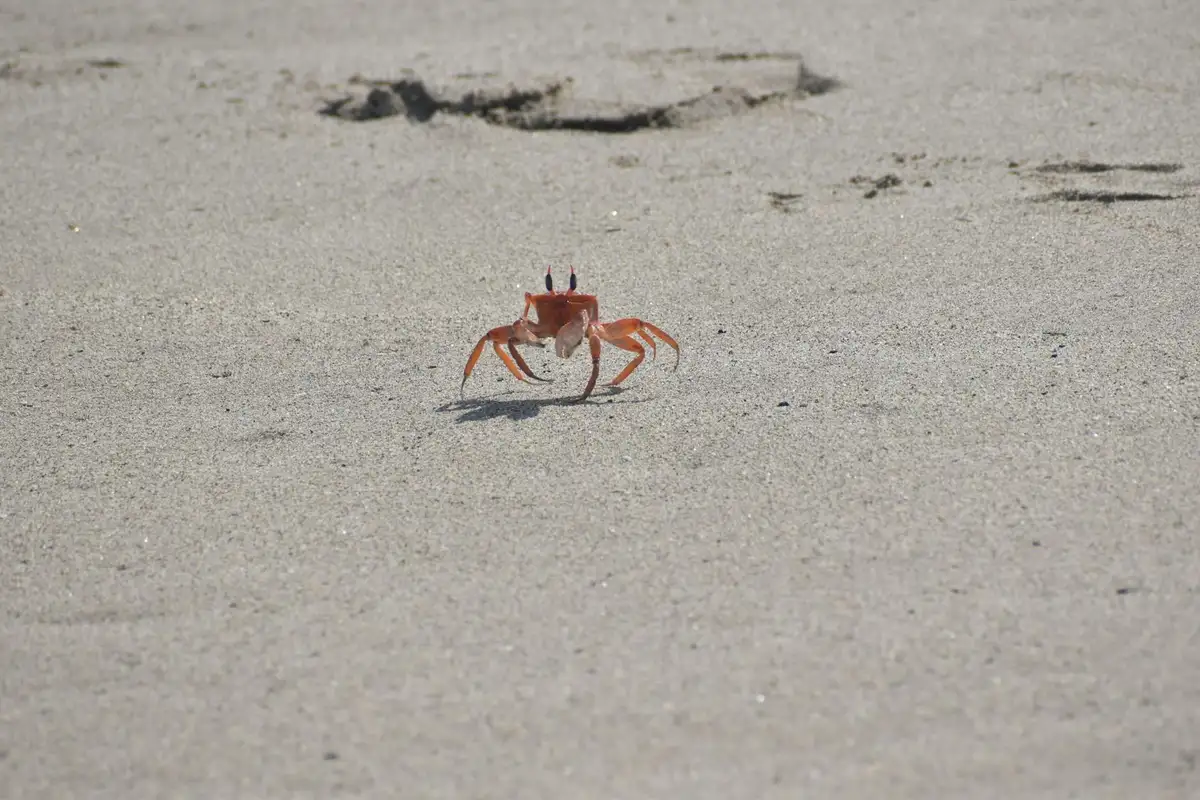
Spotting the early signs of food poisoning can save your hermit crab’s life, as they are masters at hiding illness. You may be asking: what are the key signs that distinguish a healthy vs sick hermit crab? Learning these signs helps you act quickly to keep your crabs thriving. I have learned to watch my crabs closely after feeding them new items, and over the years, I have noticed distinct physical and behavioral changes that signal trouble.
- Physical signs like lethargy, unusual shell retreat, or changes in movement are immediate red flags. If your crab stays buried for too long or moves in a slow, uncoordinated way, it might be suffering. My crab Poseidon once acted this way after I suspect he found a bit of spoiled fruit.
- Behavioral cues include a sudden loss of appetite, confusion, or lack of interest in surroundings. A crab that ignores favorite foods or seems disoriented, bumping into objects, needs attention. I saw this with Zeus when he ate something bad and refused food for days, which was very unlike his assertive nature.
- Drawing from my experience, Zeus’s episode taught me to act fast when symptoms appear. He became lethargic and hid in his shell more than usual, which prompted me to isolate him and offer clean, safe foods until he recovered.
Preventing Accidental Ingestion of Toxic Foods
Safe Food Preparation and Storage
Proper food handling is your first line of defense against accidental poisoning in hermit crabs. I follow a strict routine to ensure everything I offer is safe and fresh, especially since I have multiple crabs with different eating habits. Are hermit crab bites dangerous? They can pinch, but are rarely serious; I handle them safely by avoiding grabbing their claws and using gloves or tools when needed.
- Wash all produce thoroughly under running water to remove pesticides or residues. I use a soft brush for items like carrots or apples to get into crevices.
- Avoid cross-contamination by using separate cutting boards and utensils for crab food. This prevents exposure to harmful substances from human foods.
- Store foods in airtight containers in a cool, dry place to maintain freshness. I keep dried items like shrimp or seaweed in labeled jars to avoid mix-ups.
- Remove uneaten food within 24 hours to prevent mold growth, which can be toxic. Mold spreads quickly in humid habitats, so I check dishes daily.
- My routine for Hermes and Athena involves prepping small, varied meals in advance. For Hermes, the curious one, I chop foods finely to reduce risks, and for Athena, I place portions in her quiet corner to minimize stress.
Habitat and Feeding Best Practices
Creating a safe feeding environment reduces the chances of your crabs encountering harmful items. With a multi-crab setup like mine, I have developed habits to keep everyone healthy and prevent conflicts over food.
- Keep toxic items, such as certain plants or cleaning supplies, completely out of reach. I never place decor or substrates that might contain chemicals near the feeding area.
- Use dedicated feeding dishes to contain food and make it easier to monitor intake. This helps me track who is eating what, especially with dominant crabs like Zeus guarding spots.
- Perform regular habitat checks for spoiled foods, especially in moist areas. I do a quick scan each morning and evening, as crabs like Poseidon who enjoy digging might uncover old bits.
- Based on my setup, I rotate feeding locations to reduce competition among crabs. I place multiple dishes around the tank so Apollo, who loves basking, and others can eat without stress.
Safe and Nutritious Food Alternatives for Hermit Crabs
After learning about all the dangerous foods, you might be wondering what’s left to feed. The good news is that the list of safe, nutritious options is wonderfully long and varied. Providing a rotating menu of fresh foods is the single best way to ensure your crabs get all the nutrients they need for a long, healthy life. Feeding your crabs a variety of foods will keep them healthy and active.
My Go-To Safe Food List
I make a fresh food platter for my crew every other day, mixing and matching from these categories. This variety mimics the diverse foraging they would do in the wild.
Fruits (Serve in small amounts, remove pits/seeds)
- Mango
- Papaya
- Banana (with peel!)
- Coconut (fresh or unsweetened flakes)
- Apples (no seeds)
- Berries (strawberries, blueberries)
- Melons (watermelon, cantaloupe)
Vegetables & Greens
- Carrots (raw or lightly steamed)
- Sweet Potato (cooked and cooled)
- Spinach and Kale
- Broccoli and Cauliflower
- Green Beans
- Peas
- Zucchini
Proteins & Calcium (Crucial for molting and shell health)
- Unsalted nuts (crushed almonds, walnuts)
- Unsalted seeds (pumpkin, sunflower)
- Plain cooked shrimp or fish
- Mealworms or bloodworms (dried or live)
- Eggshells (crushed and baked for 10 minutes to sterilize)
- Cuttlebone (the same kind you give to birds)
- Remove the Toxic Source Immediately. Take out the entire food dish and sift through the substrate near it to remove any and all remnants of the dangerous food.
- Offer a Fresh Water Source. Provide both fresh and saltwater dishes. Hydration can help flush their system. Make sure they can easily get in and out of the dishes.
- Consider a Temporary Isolation. If you have multiple crabs and only one is affected, you may move the sick crab to a small, clean isolation tank with paper towel substrate. This lets you monitor its eating and drinking closely without the stress of tank mates.
- Provide Safe, Appealing Food. Offer a favorite, easy-to-eat food like mashed banana or a bit of honey to encourage eating and provide a quick energy source.
Don’t Forget Supplements and Variety
In nature, hermit crabs are scavengers and decomposers, eating everything from fallen fruit to decaying wood and leaf litter. I always keep a piece of untreated oak or cholla wood in the tank, as they love to graze on it for fiber and minerals. For protein, small amounts of safe insects like mealworms or crickets can be offered occasionally. Insects as a protein source can be found at this link, and they are a common, safe option your hermit crab can eat in moderation. I also make sure their food is dusted with a calcium powder supplement a few times a week, which is vital for strong exoskeletons.
Favorites from My Herd
Just like people, every crab has its own personality and palate. My crab Poseidon, who loves digging, goes absolutely wild for carrot sticks. He will spend hours excavating around a buried carrot piece, and the orange tinge it gives his legs is a clear sign he’s getting his beta-carotene. Athena, my calm Strawberry crab, is very particular and will only eat sweet potato if it’s mashed. Meanwhile, Zeus will fiercely guard a piece of shrimp, and Hermes is my most adventurous eater, always the first to try any new green I offer.
Emergency Response for Suspected Poisoning
Even with the best care, accidents can happen. Maybe a piece of onion fell into the salad, or a well-meaning family member offered the wrong treat. Staying calm and acting quickly is your best defense if you suspect your hermit crab has ingested something toxic. Be mindful that many household items and common houseplants can be poisonous to hermit crabs. Keep unfamiliar items away from their enclosure to prevent accidental ingestion.
Immediate Steps to Take
When to Seek Veterinary Care and Monitor Recovery
Finding a vet who treats hermit crabs can be challenging, but it’s worth searching for an exotic animal specialist in your area. You should contact a vet if your crab shows severe symptoms like extreme lethargy, a completely limp body, a foul odor, or if multiple crabs are sick at once. These can be signs of a serious reaction. If you notice your hermit crab is without a shell, treat it as a shell emergency and seek urgent care. Causes can include shell damage, improper humidity, or a recent molt going wrong, so review your crab’s environmental conditions to prevent future problems.
For milder cases, monitor your crab closely for the next 48 hours. Watch for a return to normal activity levels, interest in food, and regular movement. A crab that is hiding more than usual can be normal, but one that hasn’t moved at all in over a day is a cause for concern. Stress can also cause lethargy in hermit crabs, so it’s important to assess their environment and care routine.
A Personal Experience with Quick Intervention
I once had a scare with Hermes, my curious Caribbean crab. I was preparing a large batch of mixed veggies for my crabs and my own dinner, and a single small piece of raw onion must have slipped into their dish. I noticed Hermes near the food dish acting strangely-moving in a slow, uncoordinated way, which was very unlike his usual speedy self. I immediately removed the entire food dish, spotted the onion piece, and realized what had happened.
I moved him to a quiet isolation tub with a shallow dish of pure honey water and a piece of his favorite cuttlebone. Within about 12 hours, he was more active, and after 24 hours, he was back to his old self, climbing the walls of the iso-tub. That experience taught me to always, always prepare their food on a separate cutting board and to be extra vigilant when inspecting their meals.
FAQs
How often should I change my hermit crab’s food?
You should replace uneaten food every 24 hours to prevent mold growth and spoilage. Offering fresh, varied items daily or every other day ensures a balanced diet and reduces health risks.
Are there any safe human foods I can share with my hermit crab?
Yes, plain cooked meats like shrimp, unsalted nuts, and fruits such as bananas or apples without seeds are generally safe. Always avoid any seasoned, processed, or high-salt items to prevent toxicity.
What should I do if my hermit crab isn’t eating?
First, check that the food is fresh and appealing, and ensure the habitat conditions are optimal, like proper humidity and temperature. If the lack of appetite continues for more than a day or is accompanied by other symptoms, consult an exotic animal vet to rule out illness or stress.
Keeping Your Hermit Crabs Safe Through Smart Feeding
Ultimately, the safest diet for your hermit crabs consists of fresh, natural foods you recognize and trust. Stick to single-ingredient items like unsalted nuts, fresh fruits, and calcium-rich vegetables to completely avoid hidden dangers. When you eliminate processed human foods, salty items, and anything containing pesticides or preservatives, you create a foundation for a long and healthy life. From my own experience with my crew, this simple, mindful approach to feeding—even compared to selecting the right human foods—is what keeps them scurrying happily and healthily for years to come.
Further Reading & Sources
- Care: Safe Food List – HCA: Hermit Crab Association
- Safe Food List – Krabitat
- FAQ What foods are good and bad for hermit crabs?
The Crab Central is your ultimate resource for hermit crab enthusiasts, providing expert advice and practical tips to ensure the health and happiness of your shelled companions. With years of experience in crustacean care, we are dedicated to offering accurate, up-to-date information to support your hermit crab journey. Our mission is to foster a community of responsible hermit crab owners who are passionate about the well-being of these fascinating creatures.
Types of Food