What Are the Rarest and Most Unique Hermit Crab Species?
Published on: July 20, 2026 | Last Updated: July 20, 2026
Written By: The Crab Guru
If you’re searching for the most extraordinary hermit crabs beyond the common pet store varieties, this guide is for you.
As a hermit crab keeper with five crabs of my own, including rare types, I’ve learned firsthand how to identify and care for these unique animals.
Rare species thrive best when their specific environmental and dietary needs are met from the start.
We will highlight exotic species like the Ecuadorian and Strawberry hermit crabs, detail their distinct behaviors, and provide practical care advice.
Defining Rarity in Hermit Crab Species
When we talk about a “rare” hermit crab, it’s not just about how few you see in a pet store. True rarity is often tied to a species’ biology and the mounting pressures it faces in the wild. From my years of caring for my own crew, I’ve learned that the most fascinating species are often the most vulnerable.
A key concept is endemism, which means a species is native to and only found in one specific geographic location, like a single island or archipelago. These crabs have evolved in isolation, making them incredibly unique and, unfortunately, extremely sensitive to any changes in their small home.
Habitat loss from coastal development and the exotic pet trade are the two biggest threats pushing already limited populations to the brink.
- Island Endemic: Species that exist nowhere else on Earth, like many found on remote Pacific islands.
- Unique Color Morphs: Some species display spectacular, rare colorations not commonly seen, making individual crabs highly sought after.
- Direct Population Threats: These crabs face active dangers like poaching for the live animal trade or the destruction of their specific coastal forest habitats.
Coconut Crab: The Giant Terrestrial Hermit
The Coconut Crab (Birgus latro) is in a league of its own. This is the world’s largest terrestrial arthropod, a true titan that can grow to have a leg span of over three feet. I’ve only ever seen one in person at a specialized facility, and its sheer size is humbling.
What makes them so unique is their life cycle. While young juveniles wear shells like other hermit crabs, adults develop a hard, calcified abdomen and stop using shells altogether. They are powerful, nocturnal climbers known for their ability to crack open coconuts with their massive claws.
From an animal welfare perspective, keeping a Coconut Crab as a personal pet is widely considered unethical and is illegal in many places. Their care requirements are nearly impossible to meet in a home setting.
- They need a colossal, escape-proof enclosure mimicking a tropical forest.
- Maintaining the precise high humidity and temperature they need is a constant challenge.
- Their strength is immense, and they can be dangerous if improperly handled.
- Most available individuals are taken from wild populations, contributing to their decline.
| Species | Max Size (Leg Span) | Native Habitat | Rarity Status |
|---|---|---|---|
| Coconut Crab | 3+ feet | Islands across the Indian and Pacific Oceans | Vulnerable |
| Caribbean Hermit Crab | 6 inches | Caribbean, Florida, Venezuela | Common |
| Ecuadorian Hermit Crab | 4 inches | Pacific coast of the Americas | Common |
Colorful Marvels: Strawberry and Rainbow Hermit Crabs
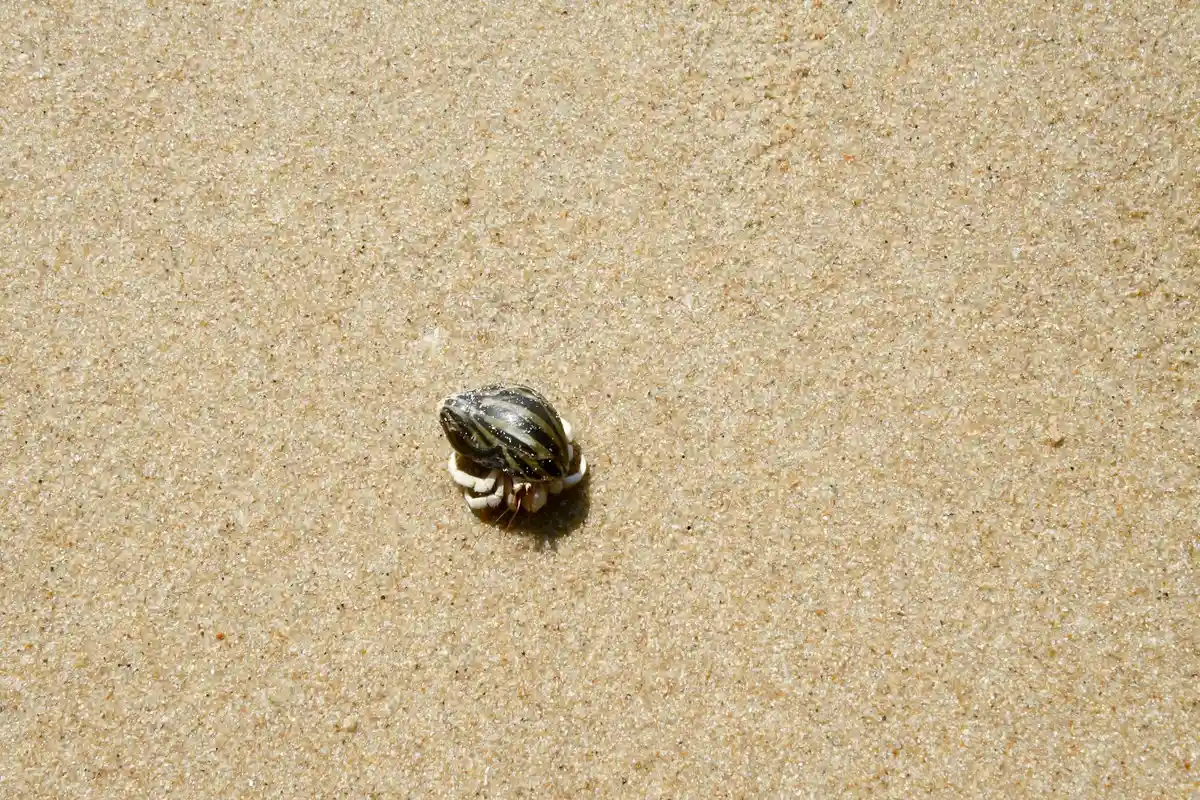
Some hermit crab species look like they’ve been painted by an artist. My own crab, Athena, is a beautiful example of a Strawberry Hermit Crab (Coenobita perlatus). Her body is a stunning, solid scarlet color that looks almost unreal. Strawberry hermits are often a deep, uniform red or orange-red, making them one of the most visually striking pets you can own. This makes Athena a natural candidate for a hermit crab photo gallery visual guide. Her striking scarlet hue can help illustrate color variety in the gallery.
Another fantastic colorful species is the Ruggie or Rainbow Hermit Crab (Coenobita rugosus). They don’t have one single color. Instead, they come in a wild variety of shades including deep blue, peach, pink, and even a stark white. I’ve seen blue morphs that look like little sapphires scurrying across the sand. These colorful ones are quite different from the typical beige beach hermit crabs.
Behavior and Shell Preferences
From my time with Athena, I’ve learned Strawberries are often calm and observant. They aren’t always the most active climbers, preferring to methodically explore their terrain. Ruggies, in contrast, can be quite energetic and are famous for their “shell swapping” antics. Both species can be surprisingly particular about their shells, often favoring turbo-shaped or rounder apertures that offer a snug fit. Providing a huge variety of natural shells is non-negotiable to prevent fights and ensure their well-being.
Essential Care Guide
Keeping these colorful crabs thriving requires attention to detail. Their vibrant health depends on a carefully maintained environment.
- Temperature & Humidity: Maintain a warm tank between 75-85°F with high humidity levels of 70-80%. I use a combination of an under-tank heater and a daily misting routine to achieve this.
- Diet for Vibrant Colors: Offer a diverse menu. I provide high-quality commercial food, fresh fruits like mango and coconut, and protein sources such as shrimp and mealworms. Foods rich in carotenoids can help maintain their brilliant reds and oranges.
- Shell Options: Stock the tank with plenty of natural turbo shells, babylon shells, and other round-opening options in multiple sizes. Avoid painted shells at all costs, as the paint is toxic.
Island Endemics and Rare Regional Species
The world of hermit crabs gets even more fascinating when you look at species isolated to specific islands or coastlines. Some hermit crab species are native to places like Hawaii and Florida, illustrating how geography shapes their distribution. Endemic species are those found nowhere else on Earth, and their limited range is a primary reason for their rarity in the pet trade.
The Caribbean Hermit Crab (Coenobita clypeatus) is common in pet stores, but even within this species, there can be rare color variations from specific islands that are highly sought after. True rarities include species like the Indo-Pacific Coenobita violascens, which has a stunning purple-ish hue, and the Australian Coenobita variabilis, known for its distinct speckled pattern. These colorful species are especially desirable among collectors.
Why Are They So Rare?
Their scarcity isn’t an accident. Several factors conspire to make these crabs difficult to find.
- Limited Distribution: They may only inhabit a single island chain or a specific stretch of coastline. A hurricane or other natural disaster in that one area could devastate the wild population.
- Habitat Destruction: Coastal development for tourism and human settlement destroys the beach and forest habitats these crabs need for breeding and survival.
- Collection Pressures: When a rare species is discovered, unsustainable collection for the pet trade can quickly push it toward endangerment.
Steps for Identifying Rare Species in Captivity
If you come across a crab that looks unusual, here is a methodical way to try and identify it. Use a hermit crab species visual guide to help you distinguish between different species by shell shape, banding patterns, and leg coloration. Proper identification is the first step toward providing correct care.
- Examine the Claws: Look closely at the large claw. Note its shape, size, and any unique textures like striations or granules. The left claw is often more telling than the right.
- Observe the Eyes and Antennae: Are the eyes round or more elongated? Are the antennae similar in color to the body or a different shade? These small details are key identifiers.
- Analyze the Legs and Coloration: Look at the third pair of walking legs. Are they smooth or hairy? Note the exact body color and any specific patterns like spots, stripes, or gradients.
- Compare with Reliable Sources: Use dedicated hermit crab identification guides from reputable societies or academic sources. Do not rely on generic image searches, which are often mislabeled.
Care Considerations for Unique Hermit Crab Species
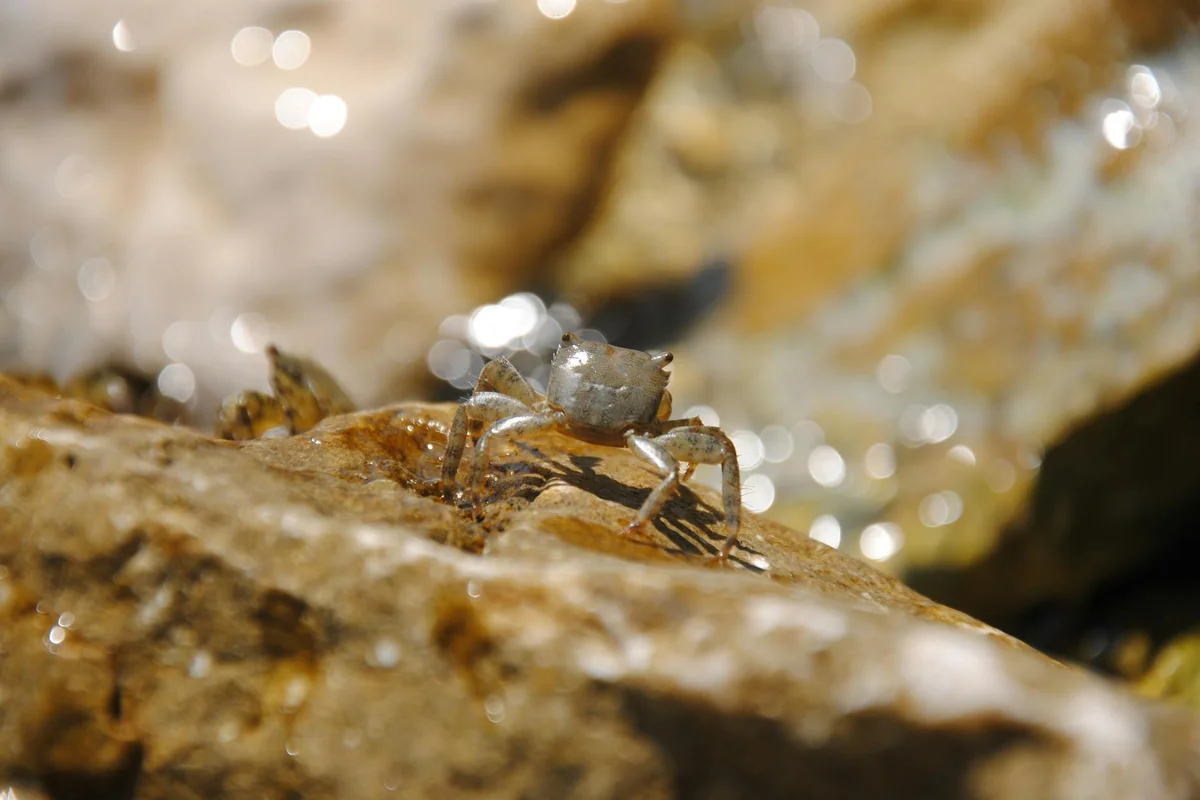
Owning a rare hermit crab is a joy, but their specialized needs are non-negotiable. What works for a common Caribbean crab can be a death sentence for a more exotic species. From my own tank, I’ve learned that Apollo, my Ecuadorian, requires much higher humidity than my Caribbean crabs, or his gills dry out painfully fast.
Setting Up a Home for a Unique Species
Getting the environment right from the start prevents stress and health issues. I made mistakes early on by treating all my crabs the same, but their individual needs are too important to ignore. That’s why I focus on creating a hermit crab friendly environment at home. Include the right substrate, humidity, temperature, and a variety of shells for every crab.
- Enclosure Size: A 20-gallon tank is a good starting point for a couple of small crabs, but larger or more active species need more room. My Strawberry Hermit Crab, Athena, may be calm, but she still needs ample space to roam and de-stress.
- Substrate: This is your crab’s digging playground. A deep mix of play sand and coconut fiber holds burrows perfectly. Poseidon, my little digger, requires a substrate depth of at least 8 inches, or three times his shell height, to feel secure and molt safely.
- Heating & Humidity: Invest in a quality under-tank heater and a digital hygrometer. Most tropical species need 75-85°F and 70-80% humidity. I watch my gauges daily, as even a few hours of low humidity can cause respiratory distress.
The Critical Role of Shells
Never underestimate a hermit crab’s shell preferences. A crab trapped in an ill-fitting shell is a crab living in constant discomfort. I keep a large, varied collection of natural turbo and snail shells. Apollo is incredibly picky and will try on a dozen shells before finding the perfect, lightweight home. For rarer species, research their specific shell type; some prefer D-shaped openings while others need rounder, heavier shells. Scientists study shell selection to understand how shape, weight, and opening affect mobility and protection. This research helps explain why a “perfect” shell can be crucial for survival.
Ethical Keeping and Conservation Awareness
Our fascination with unique pets should never come at the cost of a species’ survival. Many stunning hermit crabs are rare precisely because their wild populations are threatened. Habitat loss from coastal development and the shell trade are massive pressures on their natural environments. As pet owners, we can help by choosing responsibly sourced crabs and avoiding the wild-caught trade. With informed care and advocacy, owners can help hermit crab conservation.
As a keeper, my first rule is to avoid any species listed as endangered or vulnerable. The allure of owning a rare animal is powerful, but our responsibility to their wellbeing is greater. I believe true animal lovers prioritize conservation over collection. Sourcing your pets from reputable breeders who practice captive breeding is the most ethical choice, as it does not deplete wild stocks.
How You Can Support Hermit Crab Conservation
- Education: Share your knowledge. Teach others about the ecological role hermit crabs play in beach ecosystems and the threats they face.
- Habitat Protection: Support organizations working to preserve coastal habitats. Even small donations help fund critical conservation work.
- Ethical Sourcing: Always ask where a crab came from. Choose pet stores or breeders that are transparent about their supply chain and prioritize captive-bred individuals.
For me, protecting these fascinating crustaceans is a core part of the hobby. Watching my own crabs exhibit their natural behaviors is a privilege that fuels my desire to ensure their wild cousins have a future. We are their caretakers, and that role extends far beyond the glass walls of our tanks.
FAQs
Can I keep multiple rare hermit crab species together in one tank?
It’s generally not recommended to mix different rare species due to potential aggression and differing environmental needs. Always research each species’ compatibility and provide ample space and resources to prevent conflicts.
What is the typical lifespan of exotic hermit crab species?
Lifespan varies by species, but many rare hermit crabs can live for 10-30 years in captivity with proper care. Ensuring optimal habitat conditions and diet is crucial for their longevity.
How should I handle a rare hermit crab to minimize stress?
Handle hermit crabs as little as possible, and when necessary, do so gently by allowing them to walk onto your hand. Sudden movements or forced handling can cause stress and lead to health issues. Learn to read their stress signals to handle them properly. If you notice signs like retreating into the shell or rapid scrambling, stop and give them space.
The Final Word on Rare Hermit Crabs
While these exotic species are fascinating, the most rewarding crab to care for is one you can ethically source and provide a thriving home for. Let your fascination with rarity fuel your dedication to creating the best possible habitat for whichever species you responsibly welcome into your care.
Further Reading & Sources
- Hermit crab – Wikipedia
- Giant hermit crab | Mote Marine Laboratory & Aquarium
- Petrochirus diogenes – Wikipedia
The Crab Central is your ultimate resource for hermit crab enthusiasts, providing expert advice and practical tips to ensure the health and happiness of your shelled companions. With years of experience in crustacean care, we are dedicated to offering accurate, up-to-date information to support your hermit crab journey. Our mission is to foster a community of responsible hermit crab owners who are passionate about the well-being of these fascinating creatures.
Popular Hermit Crab Species