How Much Should You Feed Your Hermit Crab?
Finding the right amount of food for your hermit crab can feel like a guessing game, leaving you worried about underfeeding or creating a messy, overfed tank.
After caring for my five crabs for years, I’ve learned their feeding needs through careful observation and a lot of trial and error.
A good rule of thumb is to offer a portion roughly the size of a dime for a single crab.
In this guide, we’ll cover proper portion sizes for crabs of all ages, how often to feed them, and the best food choices to keep them thriving. We’ll also cover hermit crab food storage to keep meals fresh and safe. This helps keep the crab’s diet fresh and minimizes spoilage.
Understanding Hermit Crab Dietary Needs
Hermit crabs are natural scavengers, which means they thrive on a varied, omnivorous diet. In my years of caring for my crew, I’ve learned that replicating their wild foraging habits is the key to a healthy, active crab. Think of their diet as a rotating menu of proteins, fresh produce, and a constant supply of calcium—knowing what to feed and when is crucial.
The Core Components of a Crab’s Diet
- Proteins: This is crucial for growth and shell development. My crab Zeus gets especially assertive when I put out shrimp, unsalted nuts, or a bit of plain, cooked chicken. I also offer dried bloodworms and plankton, which they all go crazy for.
- Fruits & Vegetables: These provide essential vitamins and carbohydrates. My crab Apollo adores mango and coconut, while Poseidon will always seek out bits of sweet potato. Offering a colorful mix ensures they get a range of nutrients.
- Calcium Sources: This is non-negotiable for a strong exoskeleton. I always keep a cuttlebone in their tank. They also love crushed eggshells and I occasionally give them a bit of oyster shell.
Safe and Unsafe Foods from My Experience
I am very careful about what goes into their tank. Through trial and observation, I’ve built a reliable list of what works and what to avoid.
- Safe Favorites: Apples, bananas, carrots, spinach, peas, unsalted peanut butter, plain popcorn, and whole grain cereals without added sugar.
- Absolute No-Gos: Anything with salt, onion, garlic, or citrus is toxic. I also avoid any processed foods, sugary snacks, and treated woods. When in doubt, I always leave it out.
The Critical Role of Moisture
This is a point many new owners miss. Hermit crabs don’t drink water like we do; they absorb much of their hydration from their food and the humid air. Healthy moisture is a sign of a healthy crab—proper humidity helps their shells stay strong and supports good shedding. It also keeps them active and less prone to respiratory issues. Moist food is vital for their hydration and helps prevent fatal impaction. I always lightly mist their fresh foods with dechlorinated water. My crab Athena, in particular, seems to prefer her food when it’s a little dewy.
How Often to Feed Your Hermit Crab
Establishing a consistent feeding rhythm is just as important as the food itself. Their tiny bodies have fast metabolisms, but they are also prone to wasting food in a small, captive environment.
Daily Feeding Frequency and Timing
I feed my crabs once per day, in the evening. This aligns perfectly with their natural nocturnal behavior. You will find your crabs are most active and hungry once the sun goes down, especially if you set up a proper night cycle in their tank. I give them just enough food that it can be consumed overnight, removing any leftovers in the morning to prevent mold and bacteria growth. Hermes, my most curious crab, is always the first to the dinner plate.
Feeding Adjustments During Molting
Molting is a vulnerable and energy-intensive process. When a crab digs down to molt, they will not surface to eat for weeks or even months. Do not disturb a molting crab for any reason, including feeding. My crab Athena recently molted, and before she disappeared, I made sure she had extra protein and calcium. This helps them build up the necessary energy reserves. When they finally emerge, they are ravenous, so I provide a high-protein, high-calcium feast.
How Tank Mates and Habitat Affect Feeding
If you have multiple crabs, you need to monitor their feeding dynamics. My dominant crab, Zeus, sometimes guards the food dish. To prevent bullying, I often scatter food in a few different spots around the tank. This allows shyer crabs like Apollo to eat in peace. Managing social dynamics among hermit crabs is essential for a harmonious tank environment. Furthermore, if your tank humidity is low, your crabs may need more moisture-rich foods to stay hydrated. A well-maintained habitat supports a consistent and stress-free feeding schedule for everyone.
Determining the Right Portion Sizes
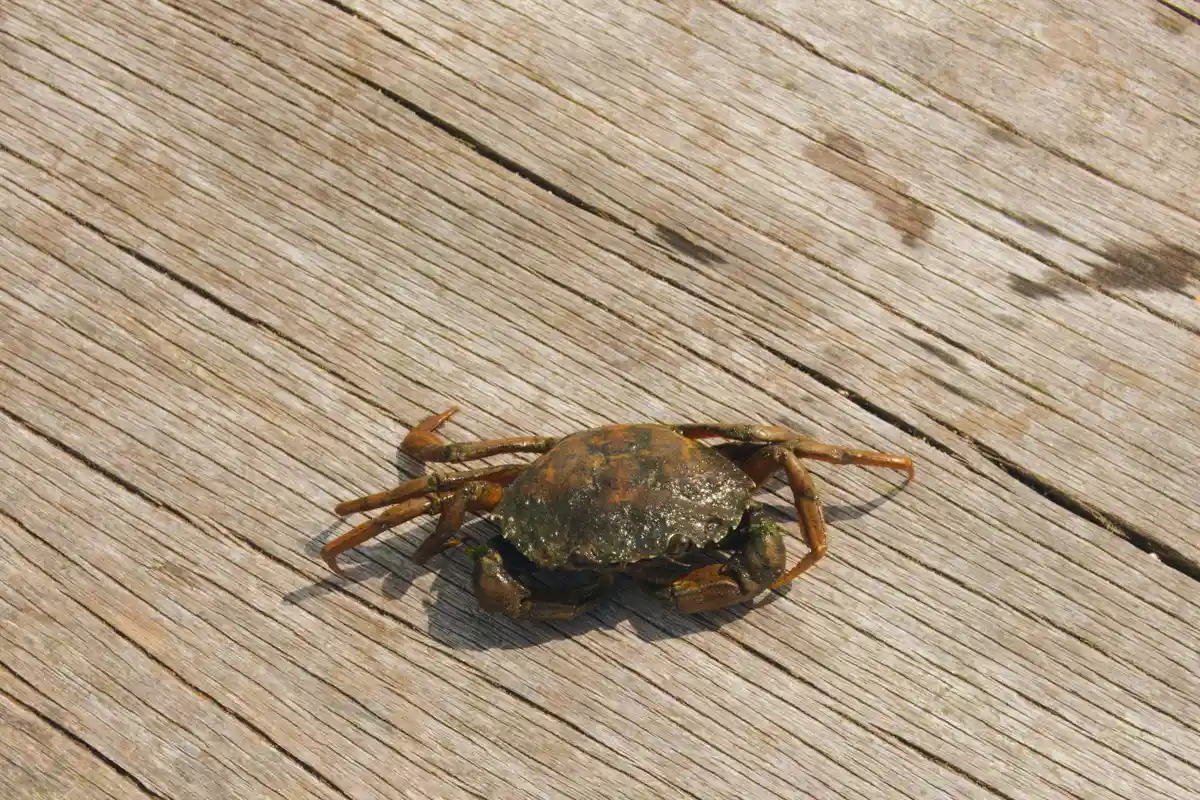
Figuring out how much food to put in the tank was one of my biggest challenges when I first started. I’d stare at the little dish, wondering if I was offering a feast or a famine. Through trial and error with my own crew, I’ve found that a good rule of thumb is to offer an amount of food roughly the size of your hermit crab’s larger claw. This visual portion works for most standard meals. If you’re creating a hermit crab diet plan from scratch, use this claw-sized rule as your core guideline. From there, tailor portions for different foods, activity levels, and molt cycles to complete your plan.
Of course, crab size and species play a role. My bigger Caribbean crabs, like Zeus, can easily handle a bit more than my smaller Ecuadorian, Apollo.
Visual Portion Guide
Use this simple table as a quick reference. Remember, this is for the total daily offering, not for each individual food item if you’re providing a variety.
| Crab Size (Shell Opening) | Daily Food Portion Guideline |
|---|---|
| Small (Dime-sized or smaller) | 1/2 teaspoon |
| Medium (Nickel to Quarter-sized) | 1 teaspoon |
| Large (Larger than a Quarter) | 2 teaspoons |
My best personal tip for measuring is to repurpose a bottle cap from a small water bottle. It holds just about the right amount for my medium-sized crabs. Using a consistent, small measuring tool like a cap or a 1/4 teaspoon measure is the easiest way to prevent overfeeding and keep the tank cleaner. I always offer the food on a small, shallow dish; this contains the mess and makes it easy to remove uneaten food the next morning, which drastically cuts down on waste and mold.
Adjusting Feeding for Life Stages and Health
Just like people, a hermit crab’s dietary needs change throughout its life. A young, growing crab is a little eating machine, constantly on the move and needing fuel for development. For younger crabs, I provide a constant source of protein, like crushed cuttlebone or a bit of dried shrimp, alongside their regular meals that cater to their life stage. They are building their exoskeletons and need those building blocks.
Adult crabs, like my calm Athena, are more settled. Their portions can be a bit more consistent, but you must watch for changes in their behavior. The most critical times for adjustment are during molting and health recoveries. Learn to read their stress signals—rapid movement, hiding, or raised claws—so you can adjust care and handling accordingly. Proper handling means observing behavior and minimizing stress, especially during molting and health recoveries.
Modifying Portions for Special Circumstances
- Pre-Molt: In the weeks leading up to a molt, you might see your crab eating more ravenously. This is normal! They are storing energy. I always increase high-calorie and calcium-rich foods during this time. My crab Poseidon will devour extra worm castings and crushed eggshell before he disappears to dig.
- During Molt: Once a crab is buried and molting, do not add new food to the main dish for them. They will not surface to eat. Just keep their water fresh.
- Post-Molt: When a crab resurfaces, it is incredibly vulnerable and hungry. This is the most important time to offer a massive protein and calcium boost to help them harden their new, soft exoskeleton. I put a small dish of these foods right near where they emerged.
- Health Issues: For a crab that seems lethargic or unwell, I focus on offering their absolute favorite, smelliest foods to entice them to eat. For Zeus, that’s pureed organic peanut butter. The strong scent can sometimes spark their appetite when nothing else will.
Observing your crabs is the ultimate guide. My assertive crab, Zeus, will stand guard over the food dish if he’s still hungry, while Apollo will simply wander away when he’s full. Learning their individual “full” and “hungry” signals is more valuable than any rigid measuring spoon. Pay attention, and they will tell you what they need.
Recognizing Signs of Overfeeding and Underfeeding
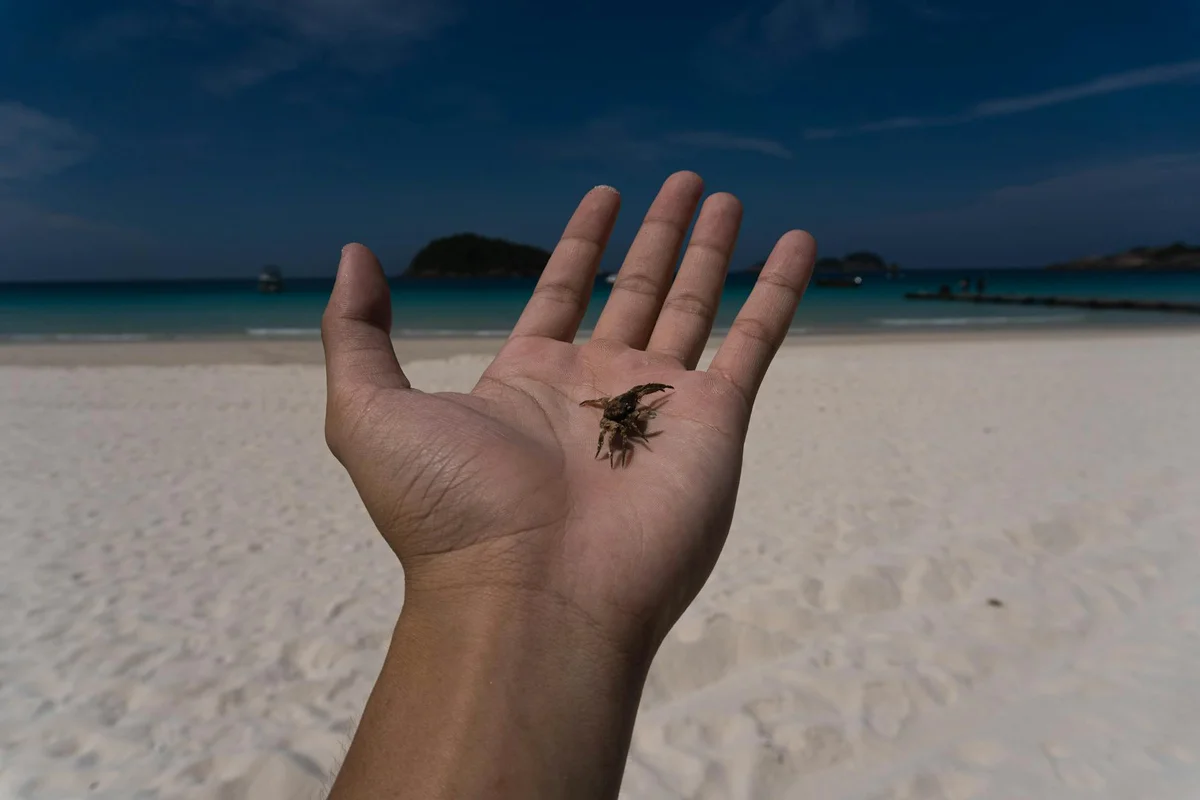
Getting the portion size just right is a skill you develop over time. The most direct way to know if you’re feeding the correct amount is by observing what’s left in the food dish the next morning.
Visual Cues of Overfeeding
- Consistently large amounts of uneaten, dried-out food in the morning.
- Mold or fungus growing on leftover food or around the dish.
- An increase in fruit flies or gnats in and around the tank.
- Food that has been scattered far from the dish, a sign of disinterest.
Behavioral Cues of Underfeeding
- Crabs constantly swarming the food dish as soon as you add food.
- Increased aggression or shell-fighting over food resources.
- Crabs attempting to eat substrate, moss, or other non-food items.
- Noticeable lethargy or a lack of normal nightly activity.
From my five crabs, I see these cues play out. My assertive crab, Zeus, will literally guard the food dish if he’s still hungry, while my calm Athena will just retreat to a corner. If I see Zeus being extra territorial, I know I need to bump up the portion size just a bit. I adjust portions based on who is active; if a crab is buried molting, I naturally provide less overall food since there’s one less mouth to feed.
Practical Feeding Tips and Sample Schedules
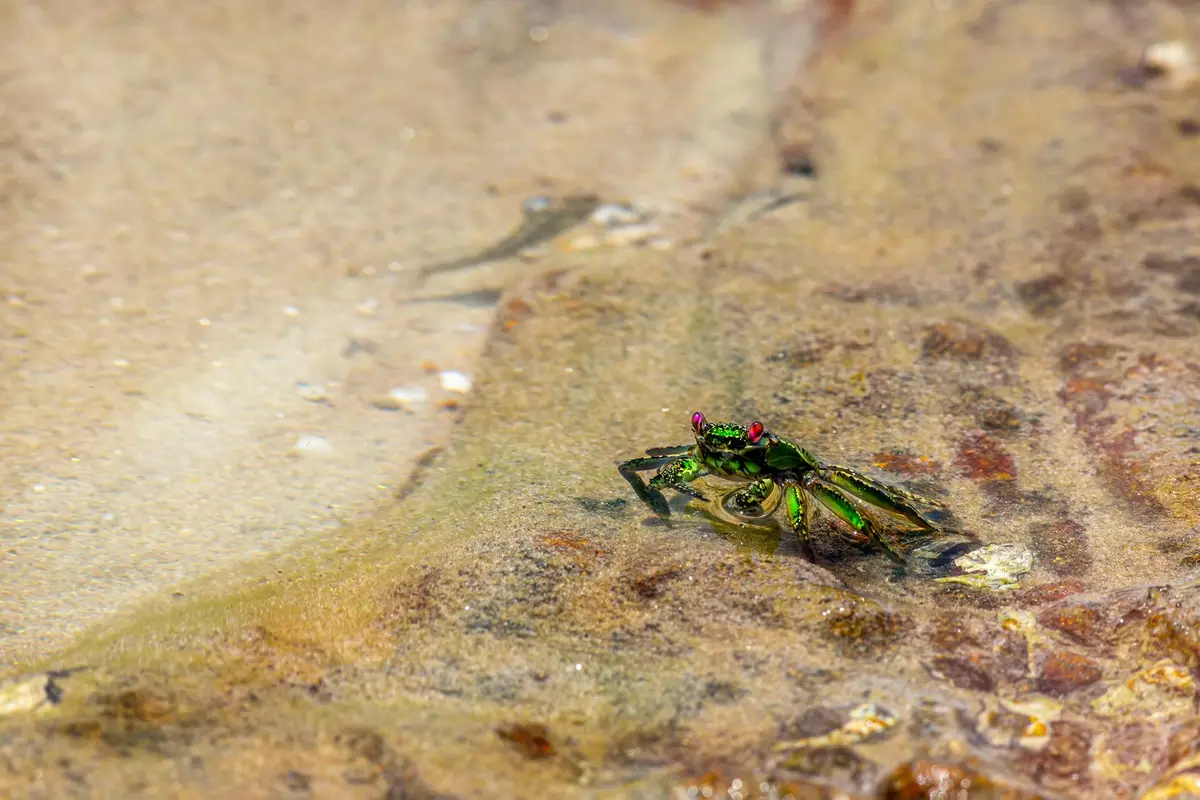
Variety is not just the spice of life for hermit crabs-it’s a cornerstone of their health. I think of their weekly diet as a colorful rotation of food groups to cover all their nutritional bases. From a scientific perspective, watching how their digestion handles different foods helps tailor nutrition. This digestion-focused view highlights how nutrient balance supports their overall health.
A Sample Weekly Meal Plan
- Monday: Commercial hermit crab pellets (a reliable staple) with a sprinkle of crushed eggshell.
- Tuesday: Fresh chopped greens (kale, spinach) and a single blueberry.
- Wednesday: Unsalted almonds (crushed), dried shrimp, and a slice of sweet potato.
- Thursday: A piece of cuttlebone for calcium and a small amount of plain popcorn.
- Friday: Pieces of fish flakes, chopped apple, and oak leaves from my yard (boiled to sterilize).
- Weekend: “Leftovers” day-I offer a mix of the safe, dry foods from the week to clear the pantry.
Steps for Introducing New Foods
- Start with a tiny piece, no larger than one of their eyes.
- Place it right next to their familiar foods so it’s not intimidating.
- Observe for 24 hours. Check if they’ve eaten it and look for any changes in behavior or waste.
- If they enjoy it and show no ill effects, you can add it to your regular rotation.
When I introduced mango to Apollo, he was hesitant at first. I found that smearing a tiny bit of the juice on a food he already loved, like shrimp, encouraged him to give it a try. Now it’s one of his favorites.
Time-Saving Tips for Busy Caretakers
Life gets busy, but your crabs still need fresh meals. My solution is simple batch preparation.
- I dedicate one hour on a Sunday to create small, weekly food packs.
- I use an ice cube tray to pre-portion dry food mixes-one cube per night.
- For fresh foods, I chop enough for 2-3 days and store it in a sealed container in the fridge.
- I always keep a go-to container of emergency dry mix (oats, worm castings, crushed cuttlebone) for nights I’m truly in a rush.
Prepping this way means a fresh meal for them is as easy as grabbing a pre-made pack and adding a pinch of whatever fresh food is ready. It saves me time and ensures my crabs never miss a nutritious dinner.
Common Questions
What should I do with leftover food in the tank?
Remove any uneaten food, especially fresh items, each morning to prevent mold and pests. This daily check is the best way to monitor their appetite and keep the habitat clean.
Do hermit crabs need a separate water dish in addition to moist food?
Yes, you must provide two shallow dishes of water at all times-one with fresh water and one with dechlorinated saltwater. They drink and bathe in both to help regulate their shell water and hydration.
Should I feed a crab that is buried and molting?
No, you should never dig up or offer food directly to a buried crab. They have stored enough energy to complete their molt and will not eat until they resurface on their own.
The Final Scoop on Hermit Crab Meals
Feeding your hermit crab boils down to a simple routine: offer a coin-sized portion of a high-quality staple food each evening and remove any leftovers in the morning. The real key to their health and happiness is consistently rotating through a wide variety of proteins, fruits, vegetables, and calcium sources. By observing their eating habits and providing this diverse menu, you are not just feeding a pet—you are nurturing a thriving, fascinating creature. This approach is a core part of a complete hermit crab diet feeding guide. For full details on menus, safe foods, and calcium timing, read the guide.
Further Reading & Sources
- r/hermitcrabs on Reddit: How many times should you feed your hermit crab a day? And what should you feed them?
- HERMIT CRAB CARE SHEET
- Kilimanjaro’s Hermits: Kilimanjaro’s Guide to Hermit Crab Nutrition
The Crab Central is your ultimate resource for hermit crab enthusiasts, providing expert advice and practical tips to ensure the health and happiness of your shelled companions. With years of experience in crustacean care, we are dedicated to offering accurate, up-to-date information to support your hermit crab journey. Our mission is to foster a community of responsible hermit crab owners who are passionate about the well-being of these fascinating creatures.
Feeding Schedule